
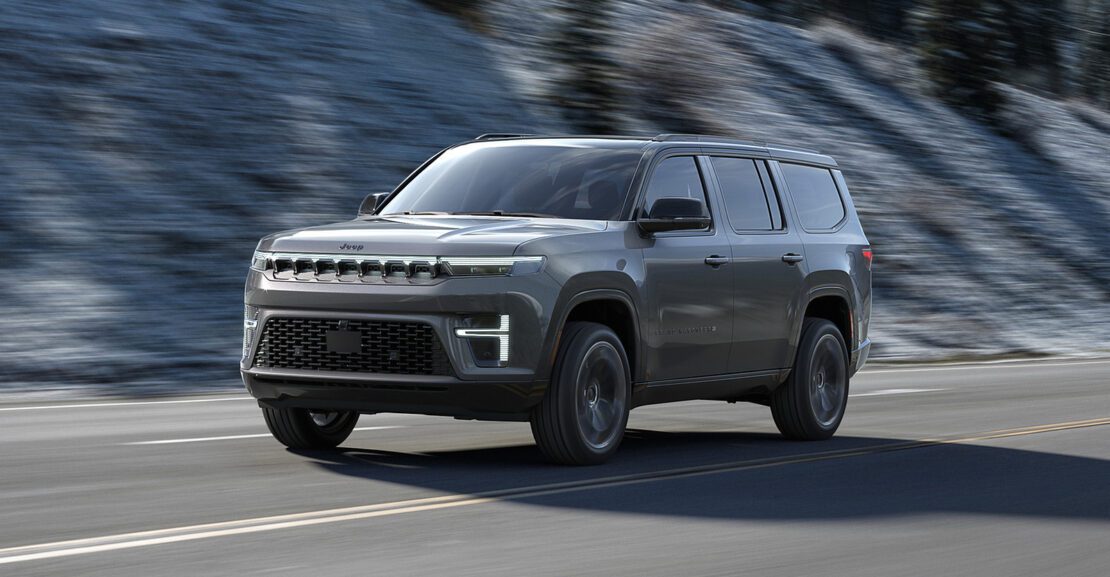
2026 Jeep Grand Wagoneer sharpens its look and adds a range‑extended punch
Jeep’s largest SUV receives a thoughtful mid-cycle refresh for 2026, highlighted by two key updates: a sleeker, more modern exterior design and a new range-extended electric version designed to deliver strong performance without the worry of charging stops on long drives. The lineup has also been simplified—every trim now proudly carries the Jeep name and sits under the Grand Wagoneer banner. With starting prices just under $65,000 before destination, the 2026 Grand Wagoneer marks a sensible evolution aimed at keeping Jeep competitive in the fiercely contested full-size SUV segment.
Lineup and pricing
Jeep consolidates its big-SUV lineup for 2026 by retiring the standalone Wagoneer badge and bringing every model under the Grand Wagoneer family. Buyers can choose between standard or long-wheelbase versions, paired with either rear- or four-wheel drive. Pricing before the $2,595 destination fee is arranged as follows:
Grand Wagoneer
$62,145 (4×2)
$65,145 (4×4)
$65,145 (LWB 4×2)
$68,145 (LWB 4×4)
Limited Altitude
$71,140 (4×4)
$74,140 (LWB 4×4)
Summit Obsidian
$93,390 (4×4)
$96,390 (LWB 4×4)
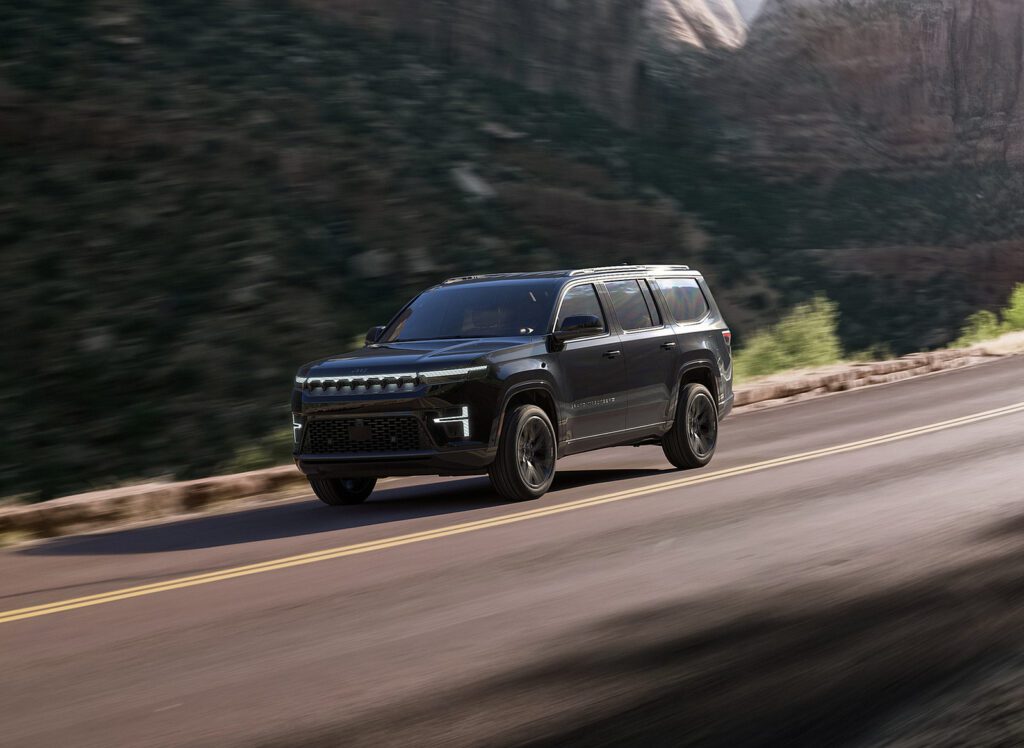
Jeep also introduces fresh styling and capability-focused variants, including the trail-leaning Upland and new blackout appearance packages. As before, trims follow a familiar good-better-best progression, with Limited Reserve and Summit bundles broadening the luxury and technology offerings as you climb the range.
Powertrains and performance
The 2026 Jeep Grand Wagoneer presents two distinct powertrain philosophies—both engineered to move nearly three tons of full-size luxury SUV with authority.
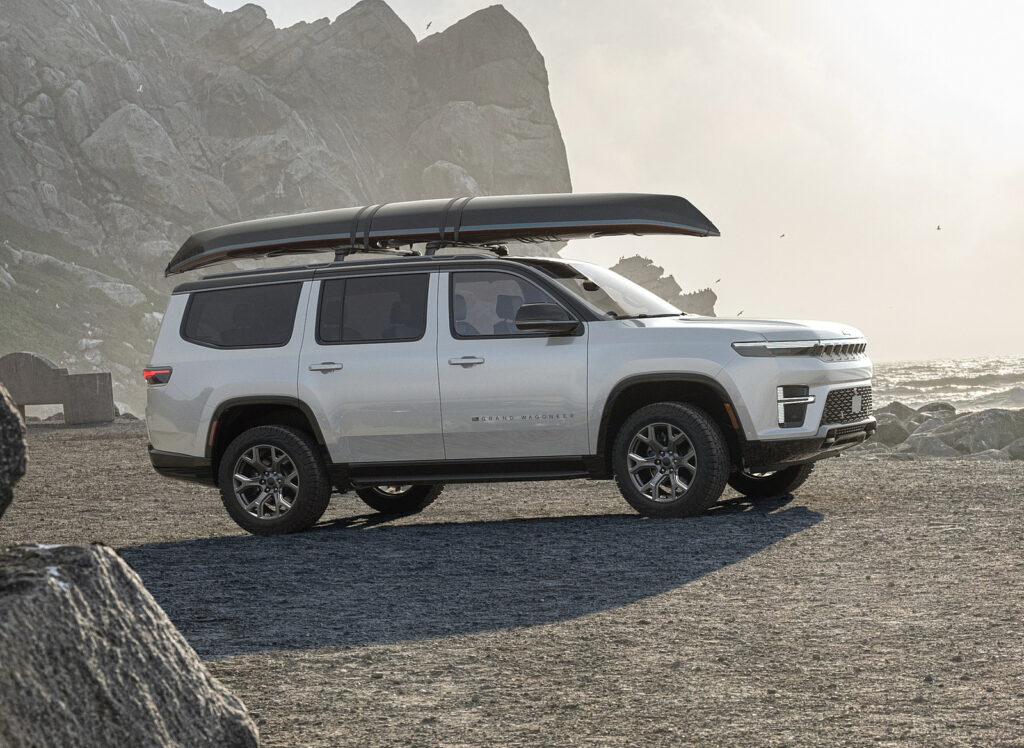
Range-Extended Electric (late availability)
Jeep calls this the first range-extended SUV designed for the American market. Power comes from a liquid-cooled 92-kWh battery mounted low in the chassis for optimal balance and a flat cabin floor. A 3.6-liter V6 acts solely as a generator, spinning a 130-kW unit that sends electricity to the battery and motors—the wheels are driven exclusively by electric power.
The system targets 647 horsepower and 620 lb-ft of torque, with an estimated 0–60 mph time around five seconds and a projected total range exceeding 500 miles. The goal: deliver the seamless, torque-rich feel of an EV for everyday driving, backed by gasoline-powered range confidence when the journey stretches on.
3.0-liter Hurricane Twin Turbo I-6
Returning in Standard Output tune, the twin-turbocharged inline-six produces 420 horsepower and 468 lb-ft of torque. Designed with efficiency-minded tech such as cooled EGR, it still flexes serious strength—up to 10,000 pounds of towing capacity, keeping Jeep competitive among full-size haulers.
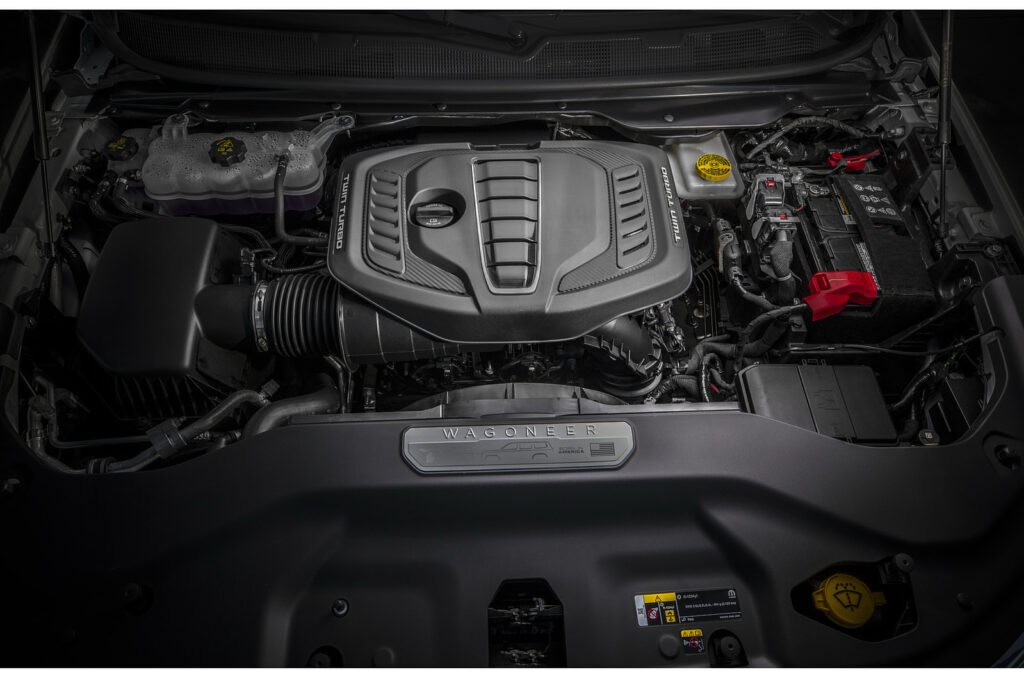
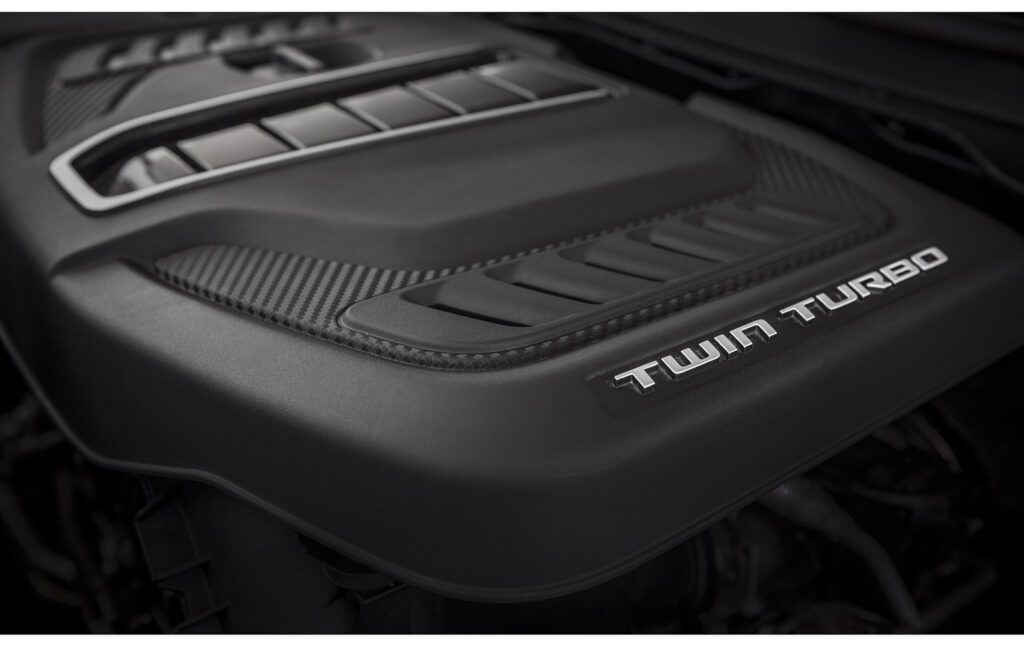
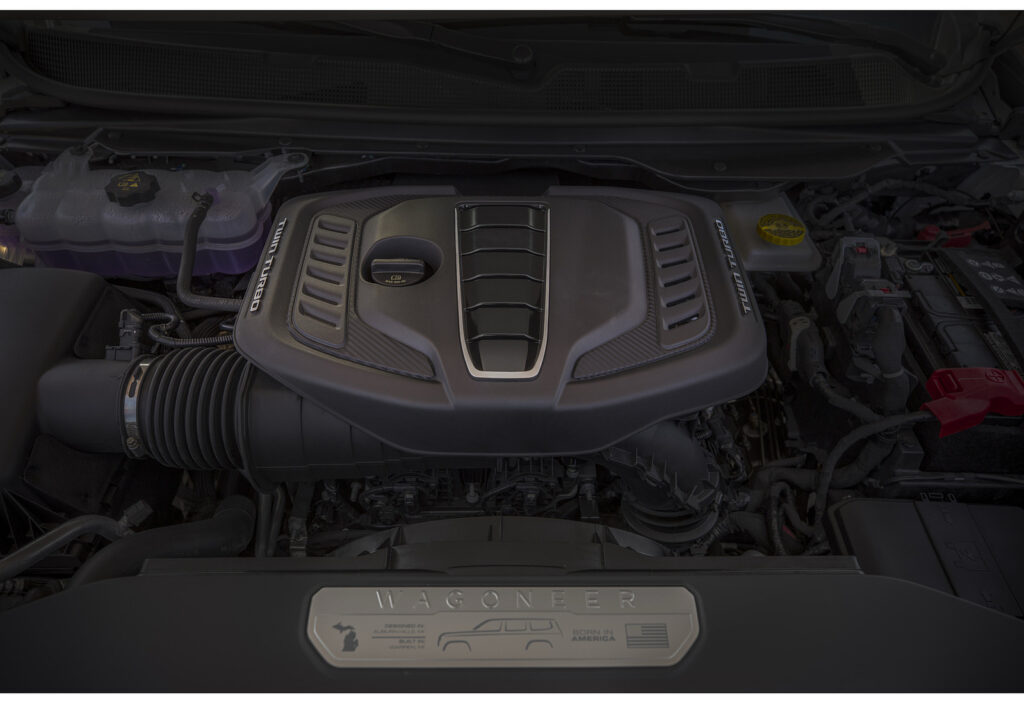
In short, Jeep offers two compelling narratives: a high-tech, electrified powertrain for innovation-seekers and a muscular, proven turbo-six for those who prefer simplicity and towing muscle. The REEV’s complexity may spark debate, but its specs make a strong case on paper.
Design that finally catches up to its size
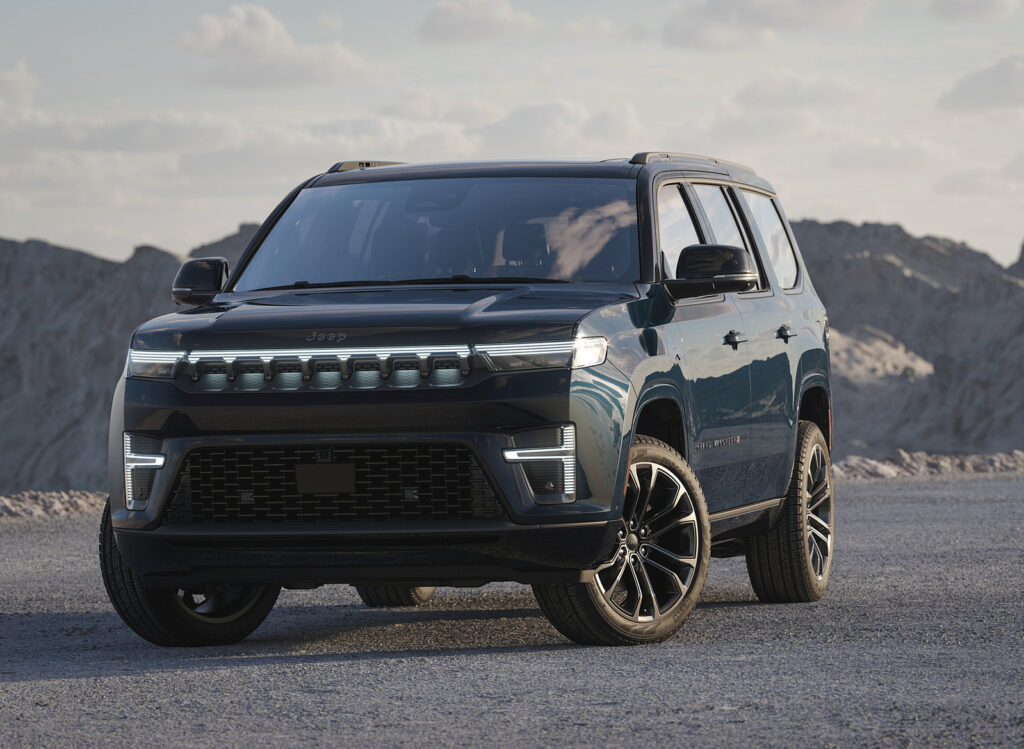
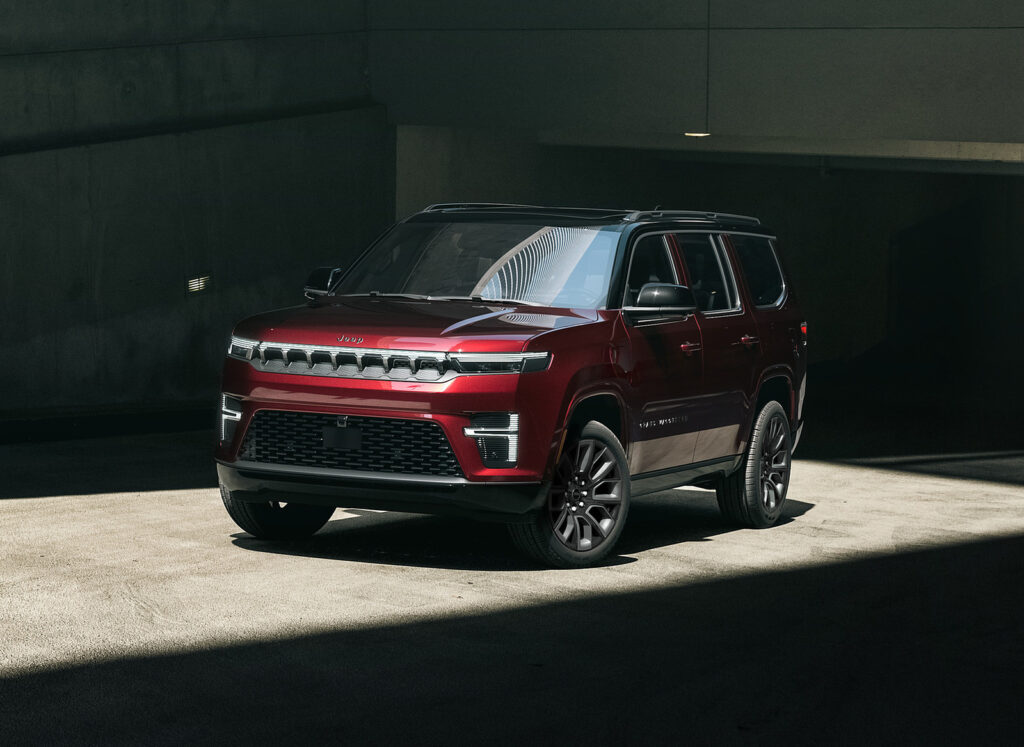
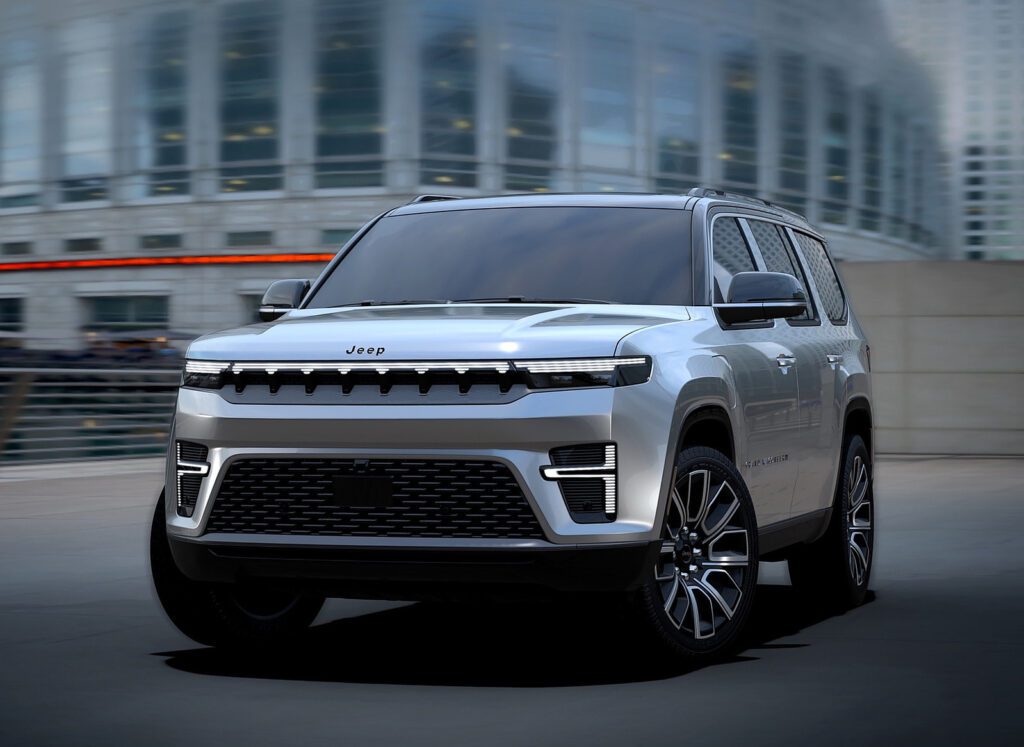
The 2026 refresh gives the Grand Wagoneer a sharper, more contemporary presence, trading its slightly retro front end for a design that feels modern and confident. The new face is crisper and more upright, anchored by a slimmer, wider grille with illuminated seven-slot detailing. A full-width LED light bar now ties together the raised headlamps, while T-shaped lighting elements in the lower fascia add a sense of visual complexity.
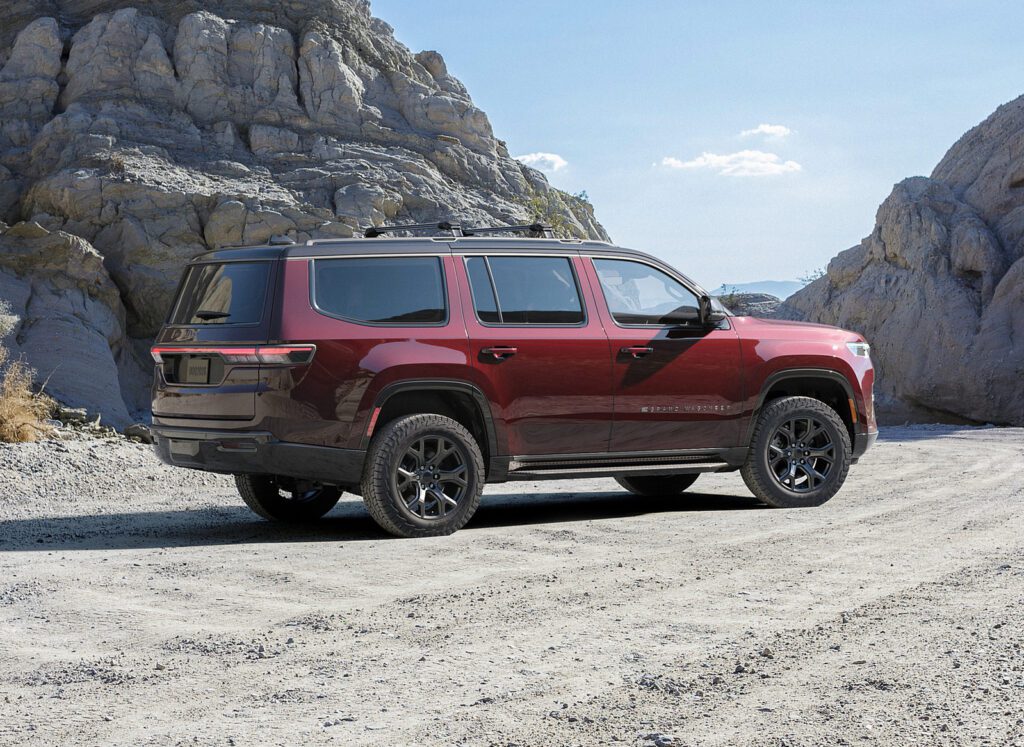
Out back, the theme continues with horizontal LED tail lamps that stretch across the width of the vehicle, visually lowering and widening its stance.
Jeep has also banished bright chrome, opting instead for subtler, more refined finishes that underscore both modern taste and the brand’s sustainability narrative. Fresh wheel designs ranging from 18 to 22 inches and new exterior colorsround out the update. The end result is a Grand Wagoneer that looks cleaner, more premium, and better aligned with today’s full-size luxury SUV competition—while still keeping the bold, square-shouldered profile that defines it.
Cabin materials, colors and tech
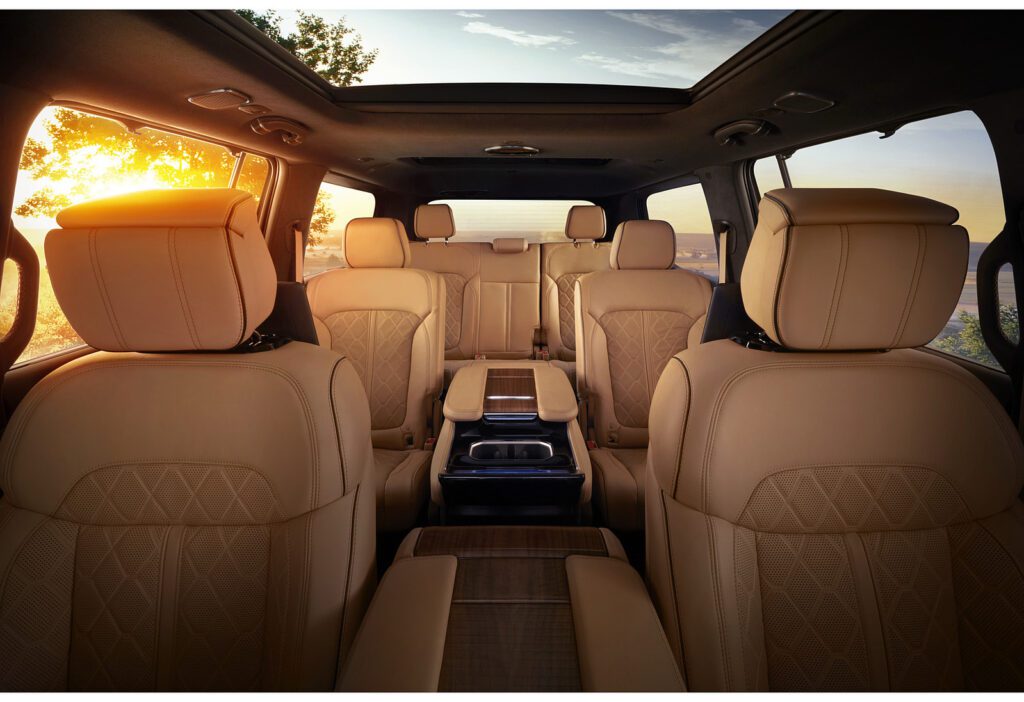
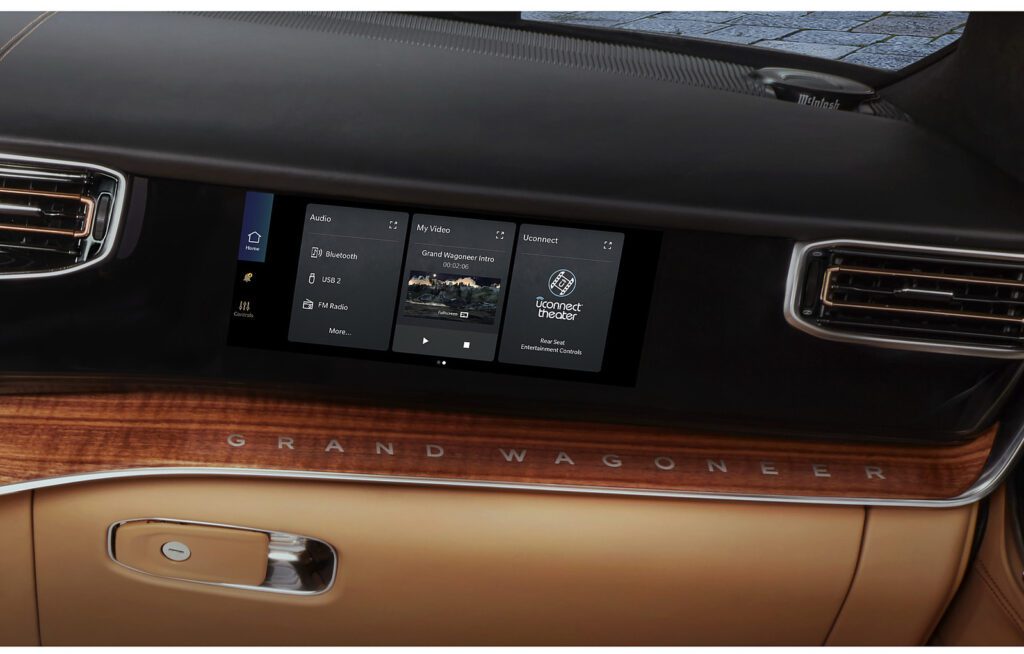
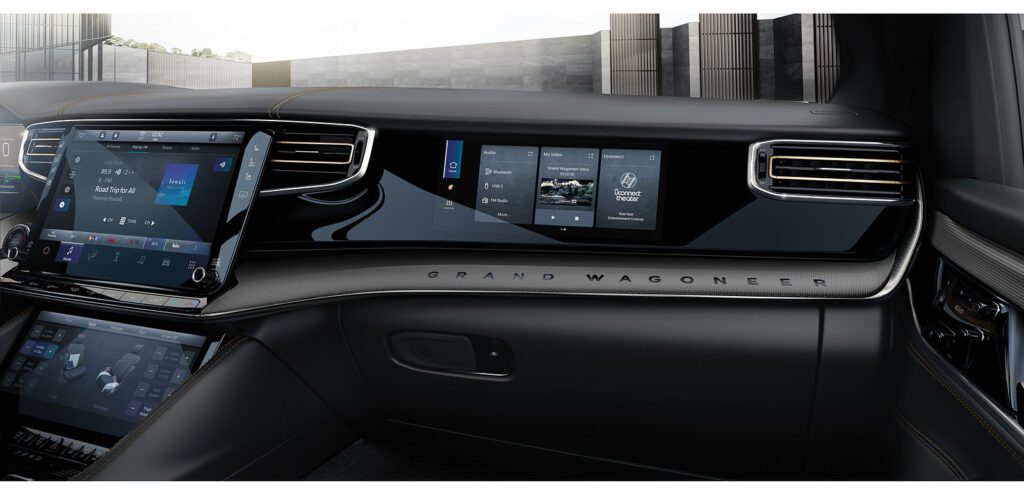
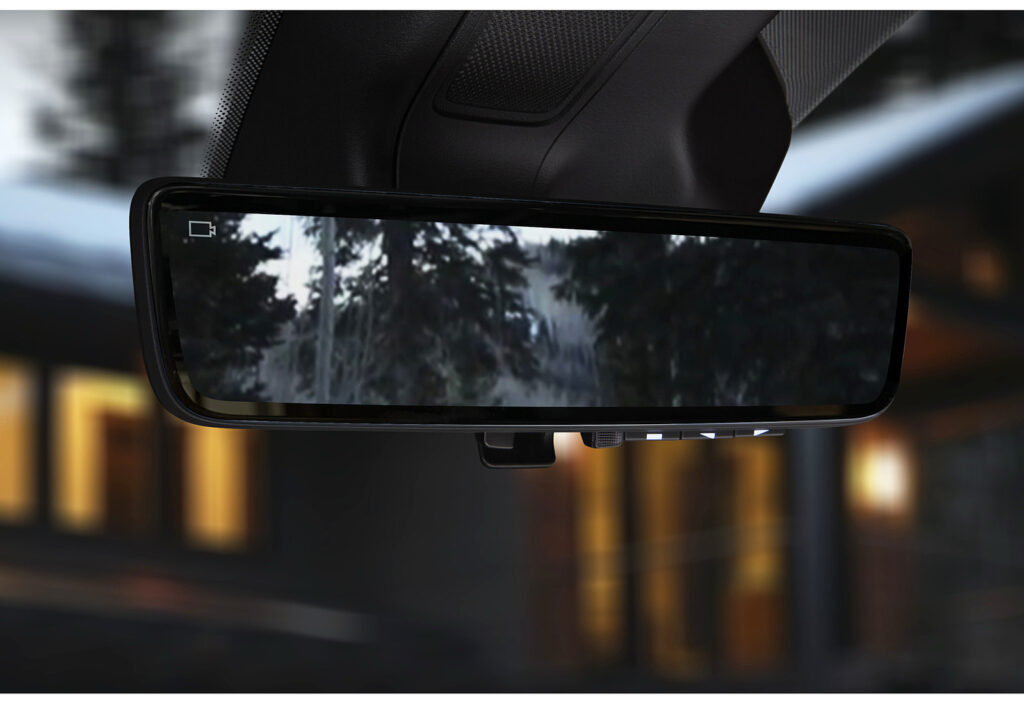
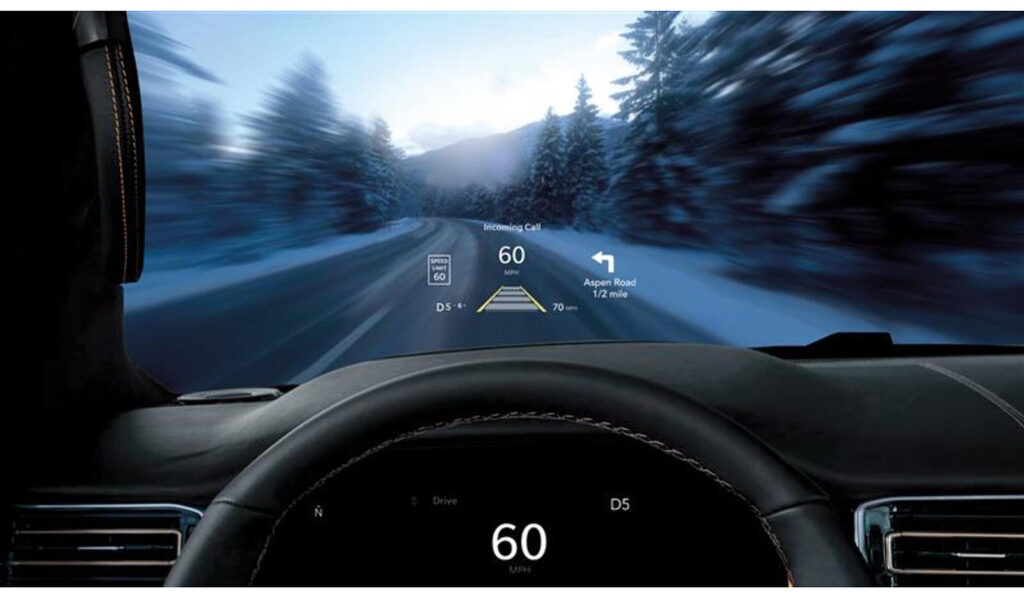
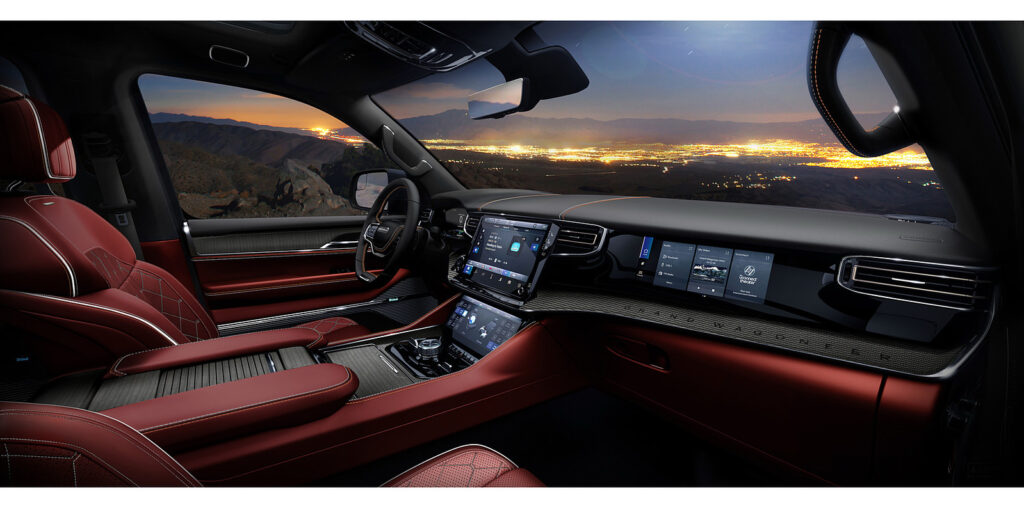
Inside, the 2026 Jeep Grand Wagoneer embraces a more refined, tech-forward environment where textures, materials, and screen presence take center stage. A larger head-up display headlines the updates—its field of view has been significantly widened, and its virtual image distance is now twice that of the outgoing system. The upgraded HUD is available on Limited trims and standard on Limited Reserve and Summit models.
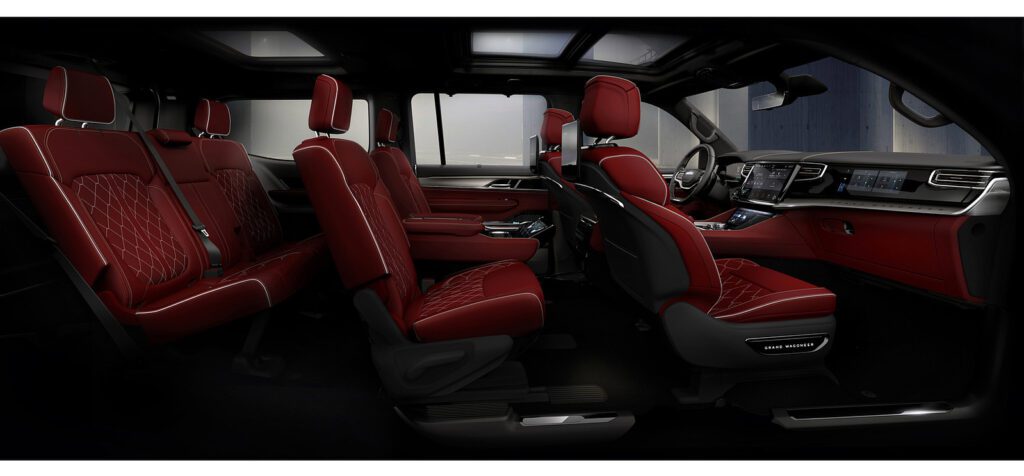
Trim Walk Highlights
Grand Wagoneer & Limited
Two interior themes—black with Sea Salt accents or all-black—set the tone, paired with horizontal brushed trim, Anchor Silver highlights, and Smoke stitching. Seating materials step up from Capri leather on the Grand Wagoneer to Nappa leather on the Limited, both featuring the refined Axis II perforation pattern. Sea Salt interiors receive Basil-colored contrast stitching for a lighter touch. The Upland variant adds a tougher aesthetic and additional off-road-oriented hardware.
Limited Reserve
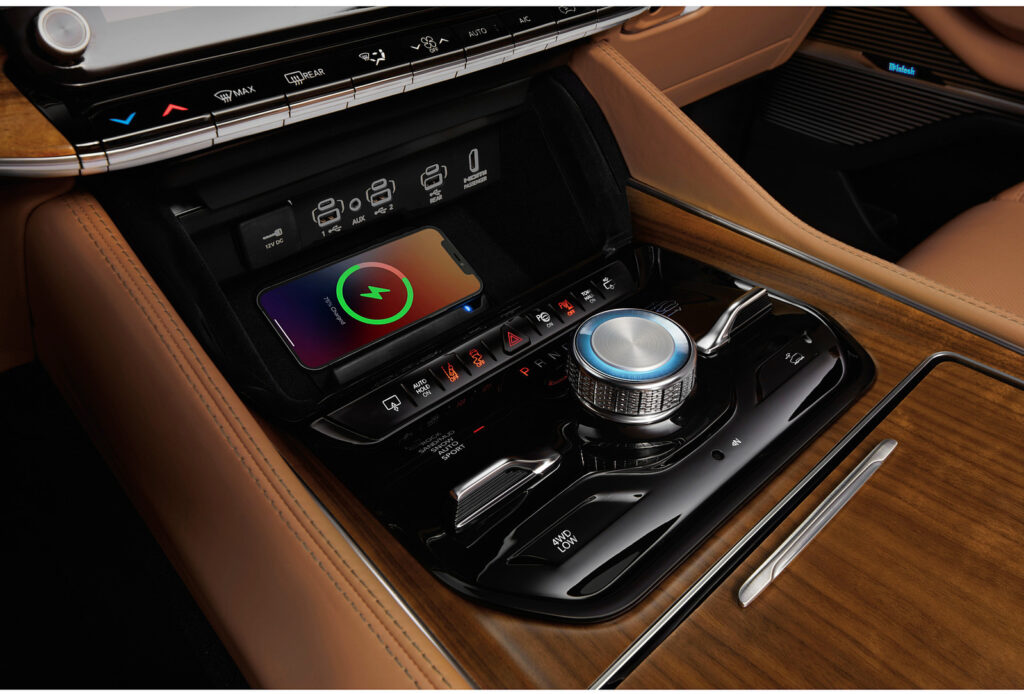
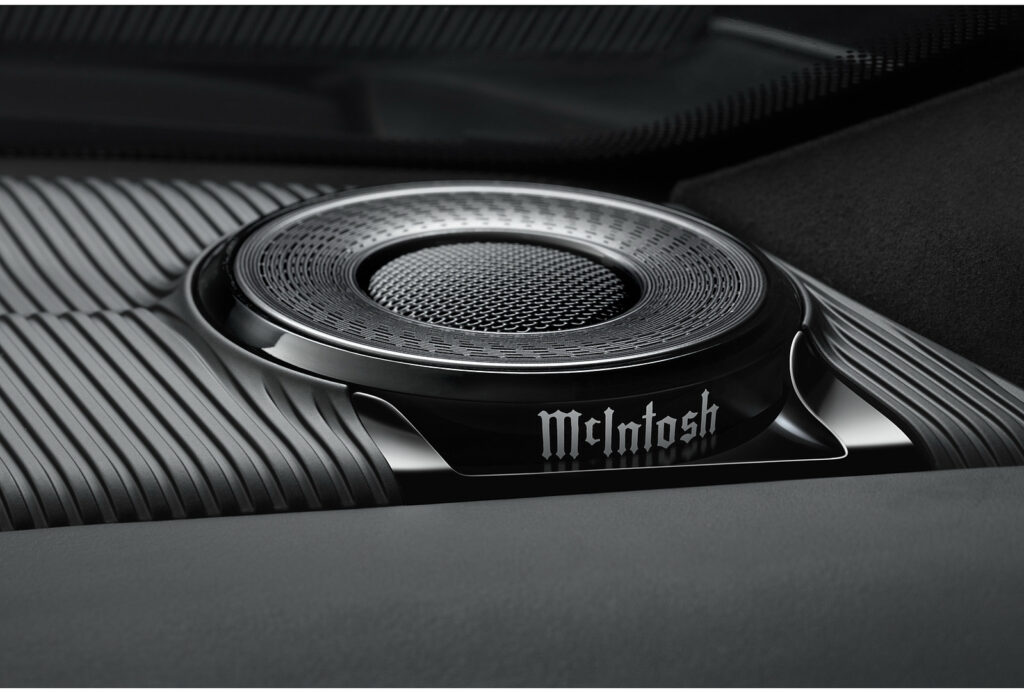
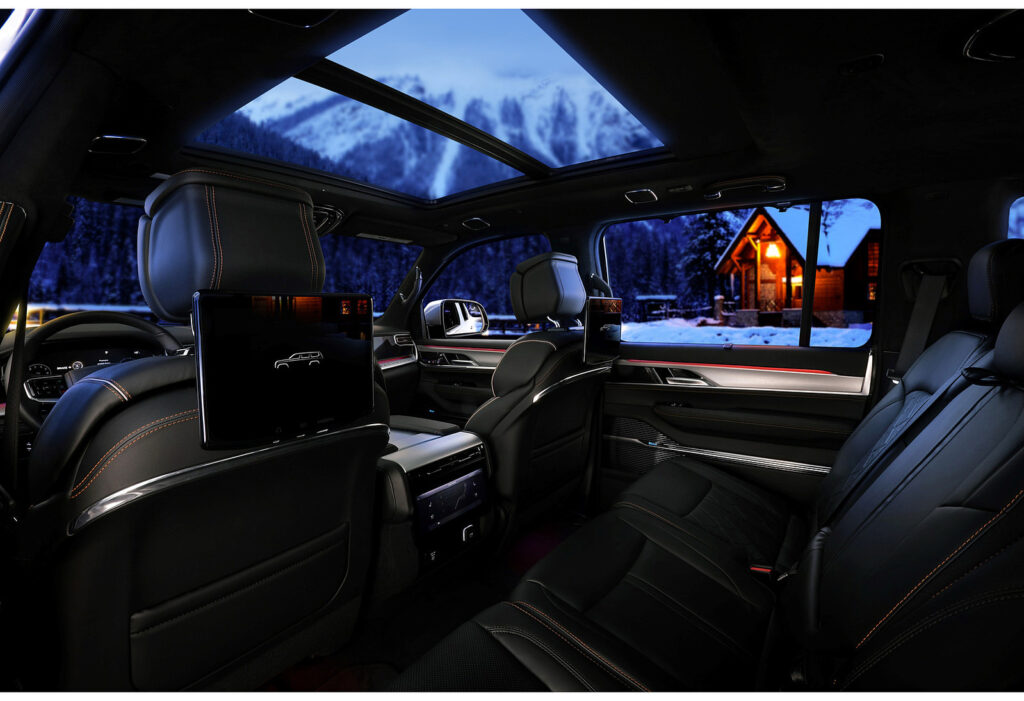
This trim turns comfort and luxury up a notch, adding a 19-speaker McIntosh audio system, tri-pane panoramic sunroof, power-deployable running boards, and the enhanced head-up display. A black appearance package caters to those seeking a subtler, stealth-inspired look.
Summit & Summit Reserve
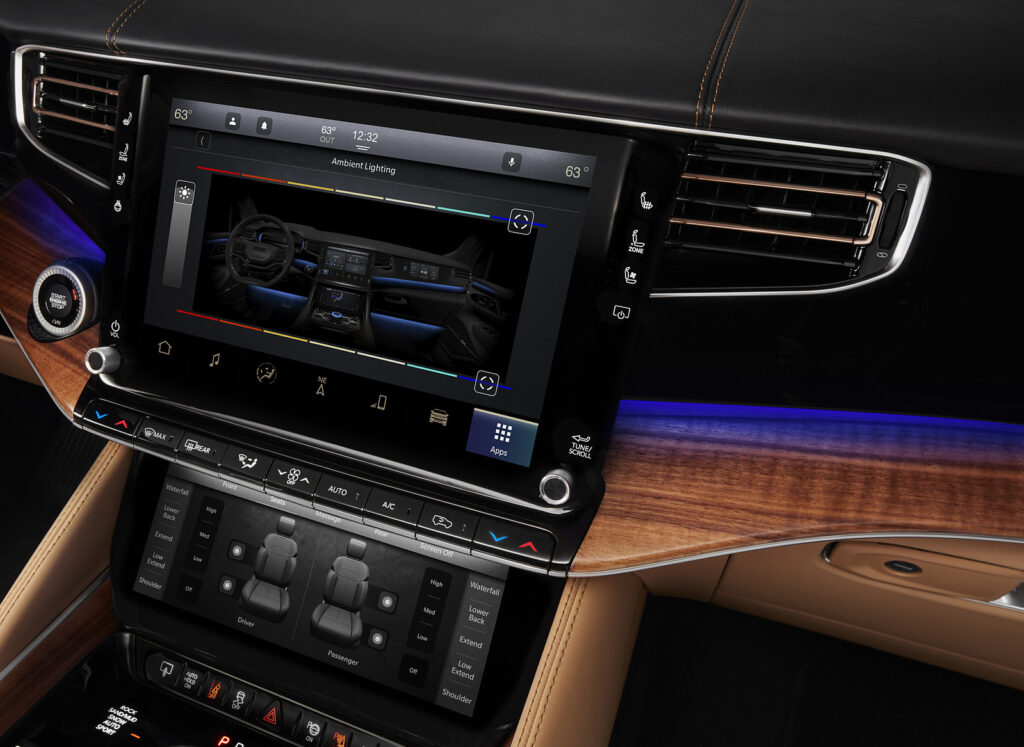
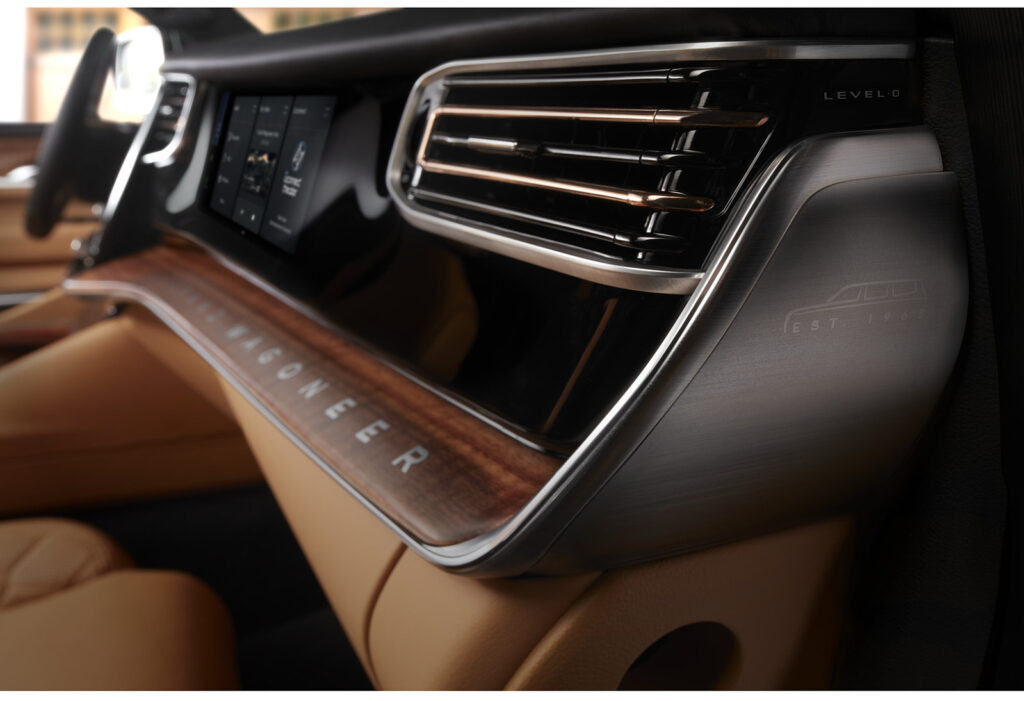
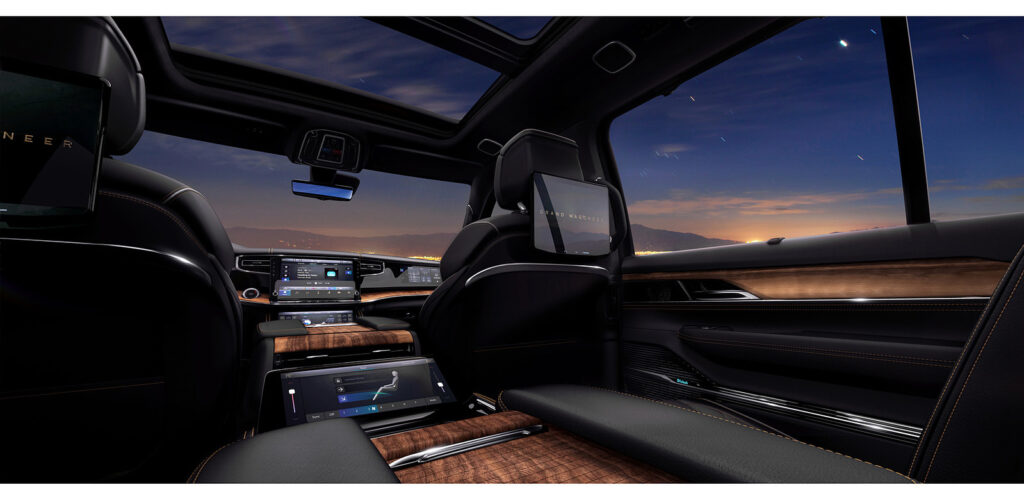
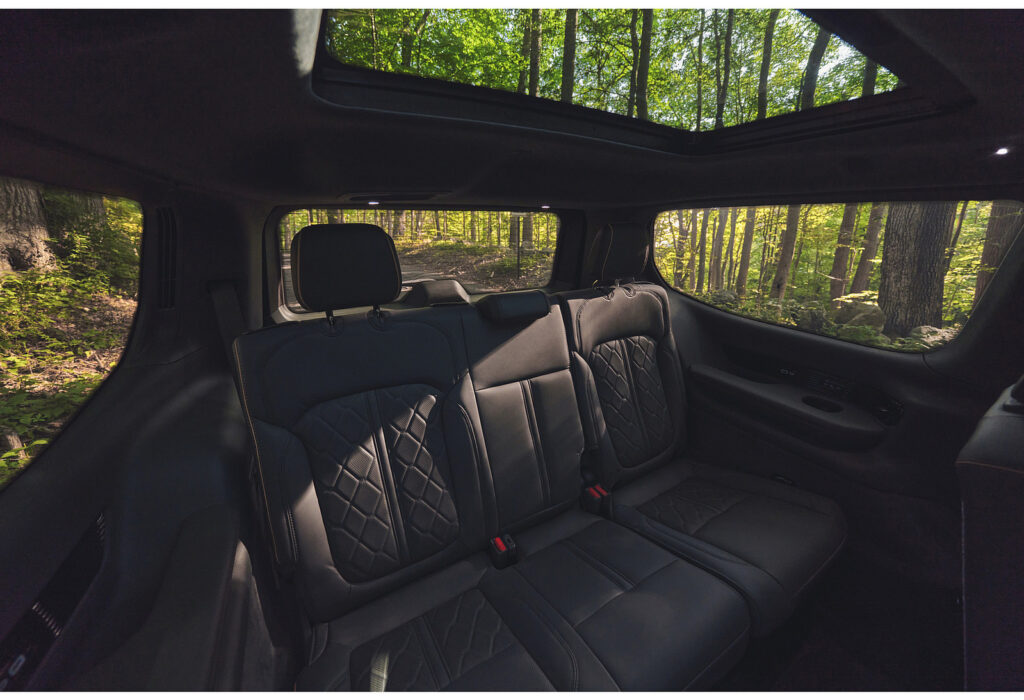
At the top of the range, Summit introduces Dark Waxed Walnut open-pore wood and richer upholstery choices. The Summit Reserve elevates the cabin even further with Palermo leather, quilted registered perforations, burnished copper and smoke stitching, and a suede headliner. Technology also peaks here: a 23-speaker McIntosh audio system, ventilated second-row seats, a front console cooler, and a dedicated passenger display come standard. A new interior color combination—black, Tupelo, and Dark Ruby Red—will join the lineup later in the model year.
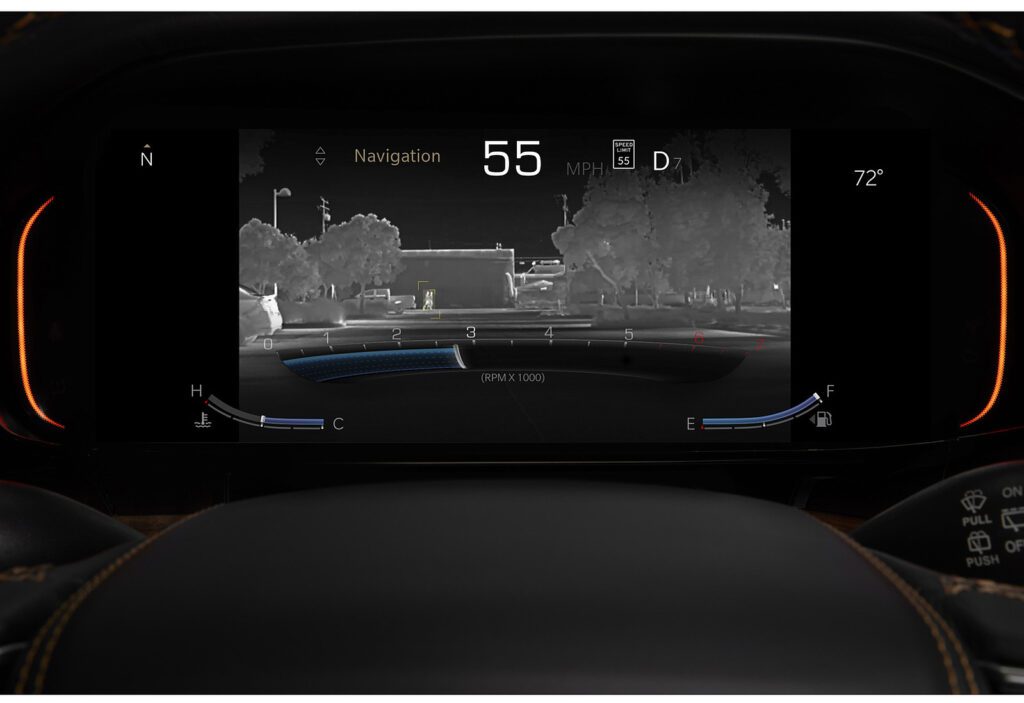
Altogether, the refreshed interior strikes a careful balance between tactile luxury and digital sophistication, reinforcing Jeep’s ambition to keep the Grand Wagoneer at the top of the full-size SUV hierarchy.
Capability remains a pillar
Both rear- and four-wheel-drive configurations return for 2026, paired with standard and long-wheelbase options to suit differing priorities—whether that’s tighter urban maneuverability or maximum passenger and cargo capacity.
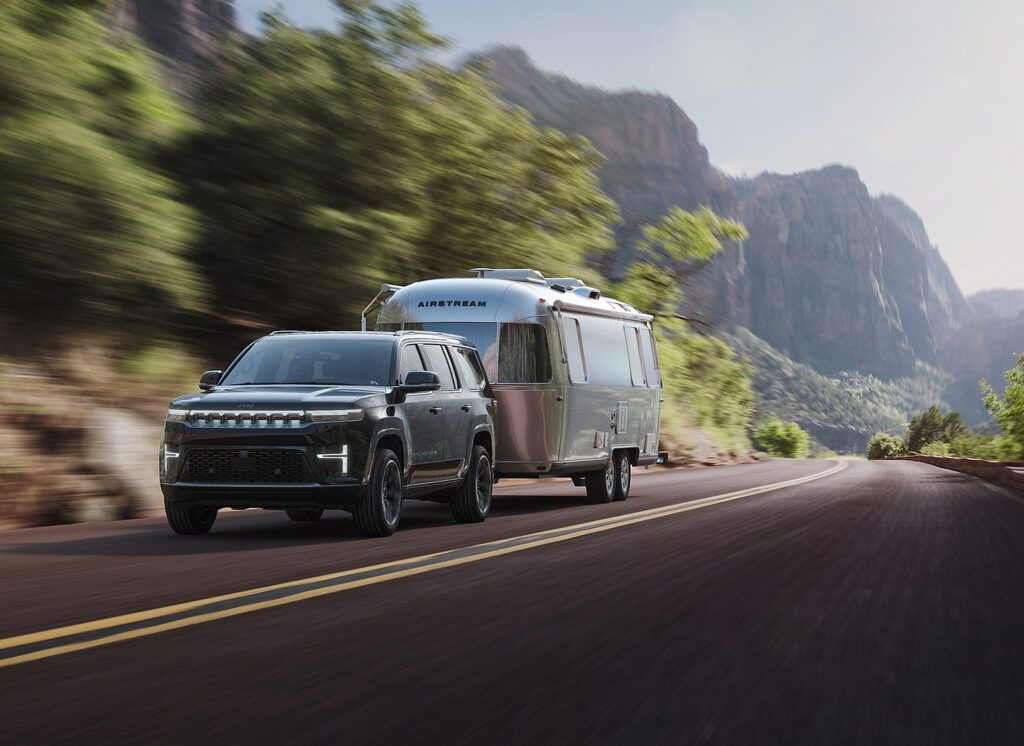
The Hurricane 3.0-liter twin-turbo inline-six continues to anchor the lineup’s towing credentials, delivering up to 10,000 pounds of capacity when properly equipped—a benchmark figure in the segment.
As for the new range-extended electric (REEV) variant, Jeep hasn’t released an official tow rating yet. Even so, its instant electric torque promises strong low-speed pulling power, while the gasoline engine quietly managing generator duties should help sustain performance over longer hauls.
Badging and brand strategy
Every 2026 Jeep Grand Wagoneer now proudly carries Jeep badging, marking a conscious effort to streamline what had become a somewhat divided identity. Instead of maintaining a separate Wagoneer sub-brand, Jeep has unified its flagship SUVs under one clear banner, using familiar trim names like Limited and Summit to create continuity across the lineup.

The change brings greater clarity for buyers—there’s now a single, easily understood hierarchy within Jeep’s luxury SUV family. The potential tradeoff is that shoppers who previously considered the lower-priced Wagoneer may find themselves adjusting to a slightly higher entry point. Still, the new sub-$65,000 starting price helps cushion that transition, keeping the Grand Wagoneer accessible while aligning it more closely with Jeep’s brand identity.
Manufacturing and timing
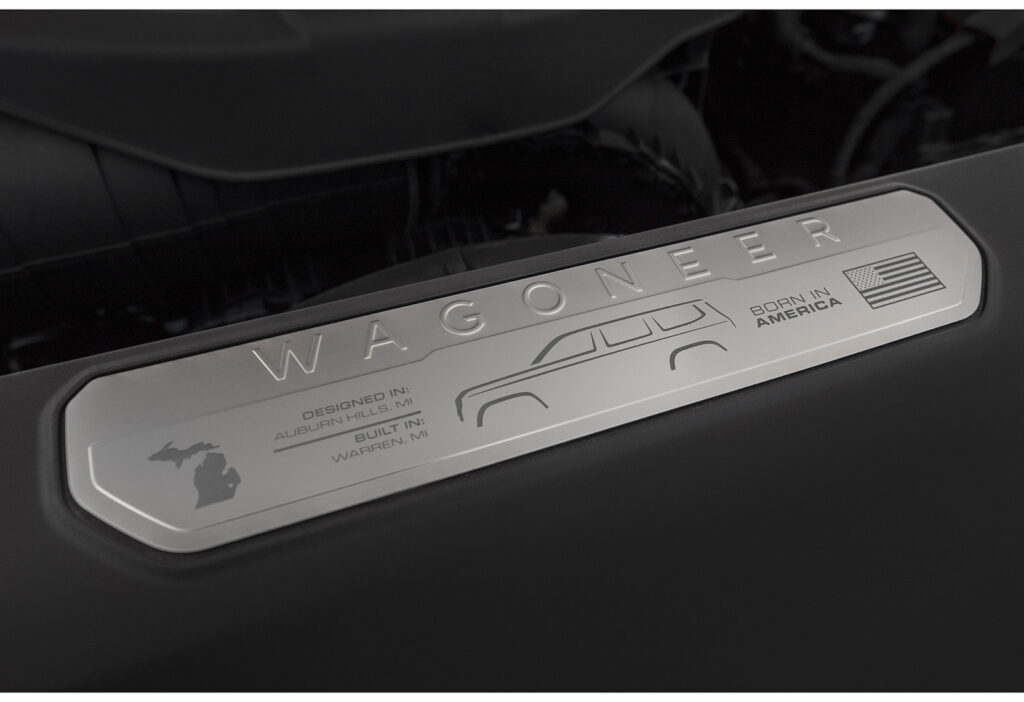
Production of the 2026 Jeep Grand Wagoneer continues at the brand’s Warren, Michigan facility, where both the internal-combustion and range-extended electric variants will roll off the same line. The site is part of a previously announced $97.6 million investment aimed at expanding Jeep’s capacity for electrified vehicle manufacturing.
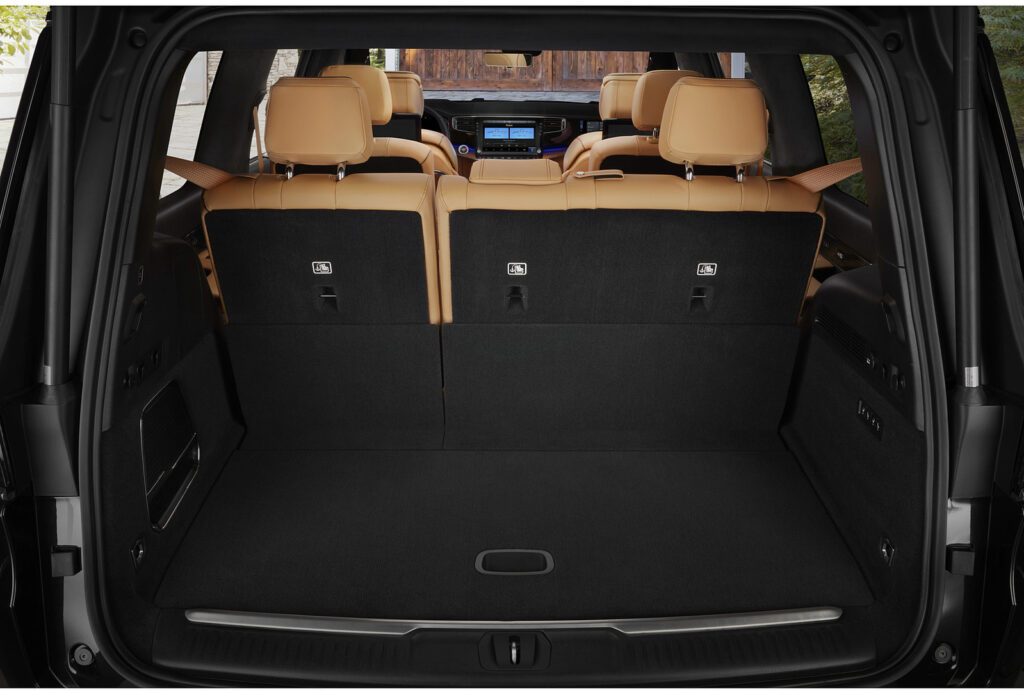
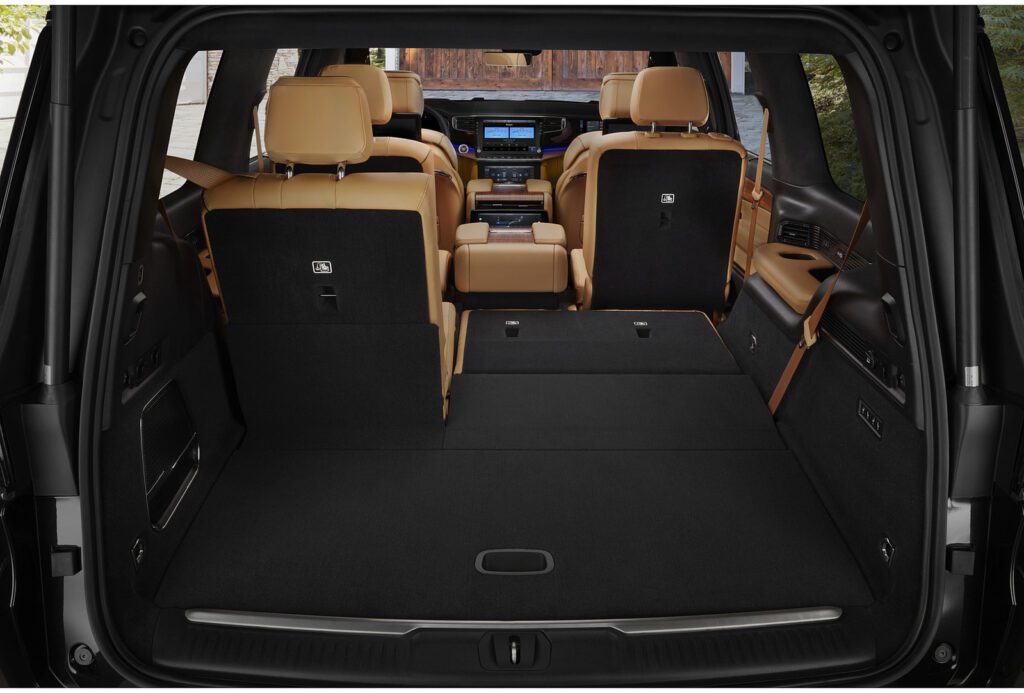
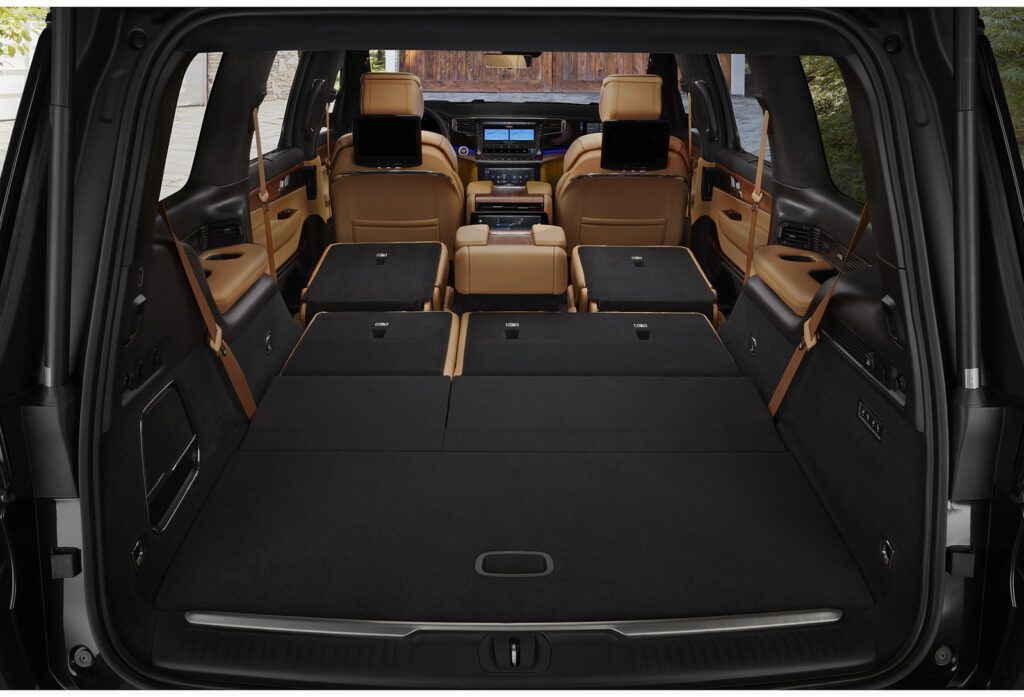
Models equipped with the Hurricane twin-turbo six-cylinder are scheduled to enter production later this year, while the range-extended electric (REEV) version will follow with late availability during the 2026 model year, rounding out Jeep’s transition into a more electrified future.
What stands out when the dust settles
The 2026 Jeep Grand Wagoneer doesn’t reinvent itself—it refines its mission. The updated styling is cleaner and more contemporary, the interior materials feel richer, and the new sub-$65,000 starting price gives it a stronger foothold in the full-size luxury SUV segment.
The headline, of course, is the range-extended electric (REEV) powertrain—a bold move that pairs 647 horsepower and 620 lb-ft of torque with an estimated 0–60 mph time of around five seconds and a targeted 500-plus-mile total range. It’s a compelling proposition for families who want electric smoothness and torque in daily driving, without range anxiety on long road trips.
For those who prefer convention, the Hurricane twin-turbo inline-six remains a strong, proven performer. Together, the two powertrains reflect Jeep’s broader effort to balance innovation with tradition.
Ultimately, the 2026 Grand Wagoneer feels more like a confident correction than a reinvention—modern, capable, and more in tune with what American buyers actually need from a large SUV.