2026 Maserati MCPura sharpens the MC20 formula
The 2026 Maserati MCPura represents a careful, deliberate evolution of the marque’s mid-engine centerpiece. It preserves the essence of the MC20—its lightweight carbon-fiber architecture, spirited twin-turbo V6 power, and dramatic butterfly doors—while introducing subtle refinements aimed at polish rather than reinvention.
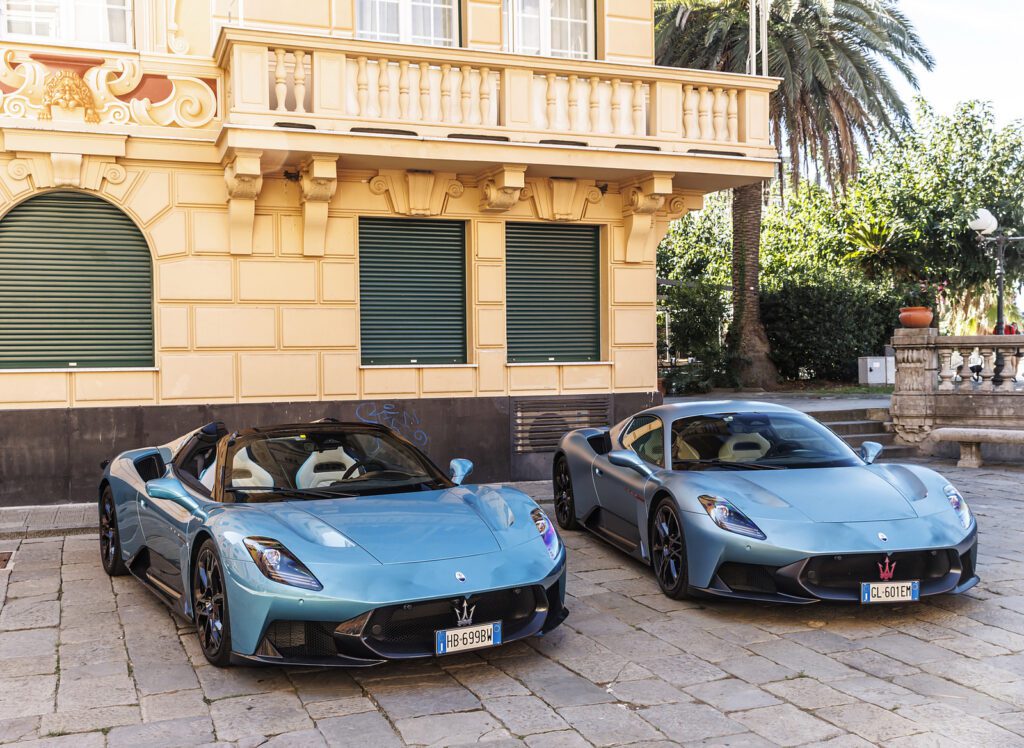
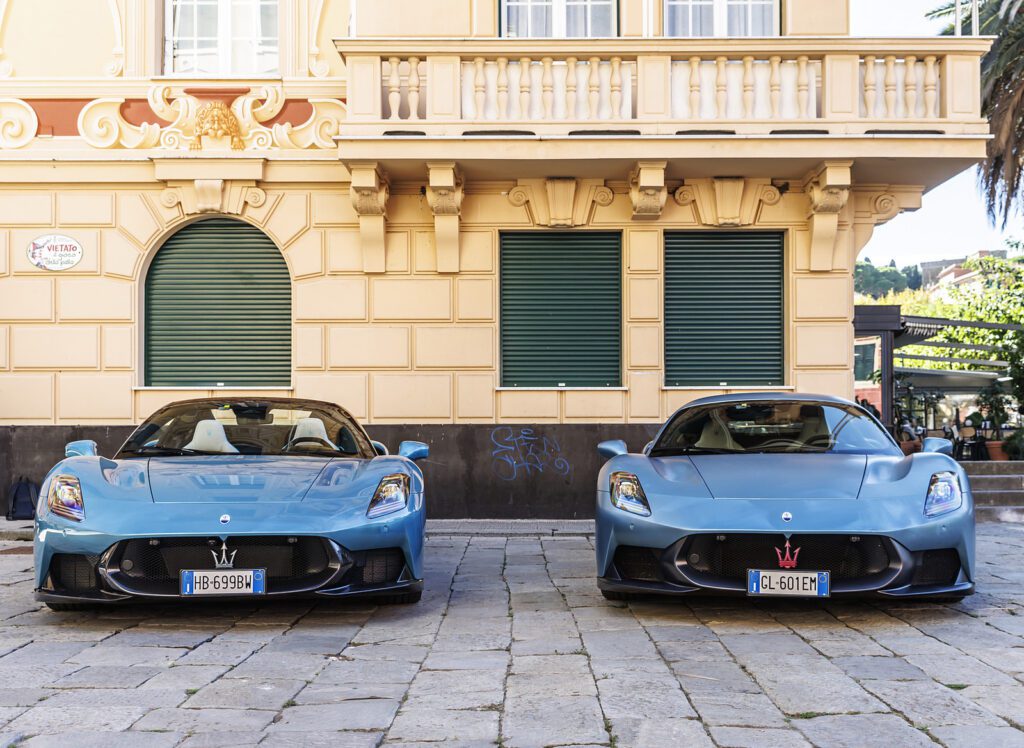
Maserati uses the “Pura” designation to signal clarity of intent: a purer driving experience, a cleaner aesthetic, and expanded personalization options for discerning buyers. Both Coupe and Cielo convertible variants continue, each retaining the same foundational hardware but benefiting from fine-tuned calibration and improved usability as the MC story matures.
Design that evolves, not disrupts
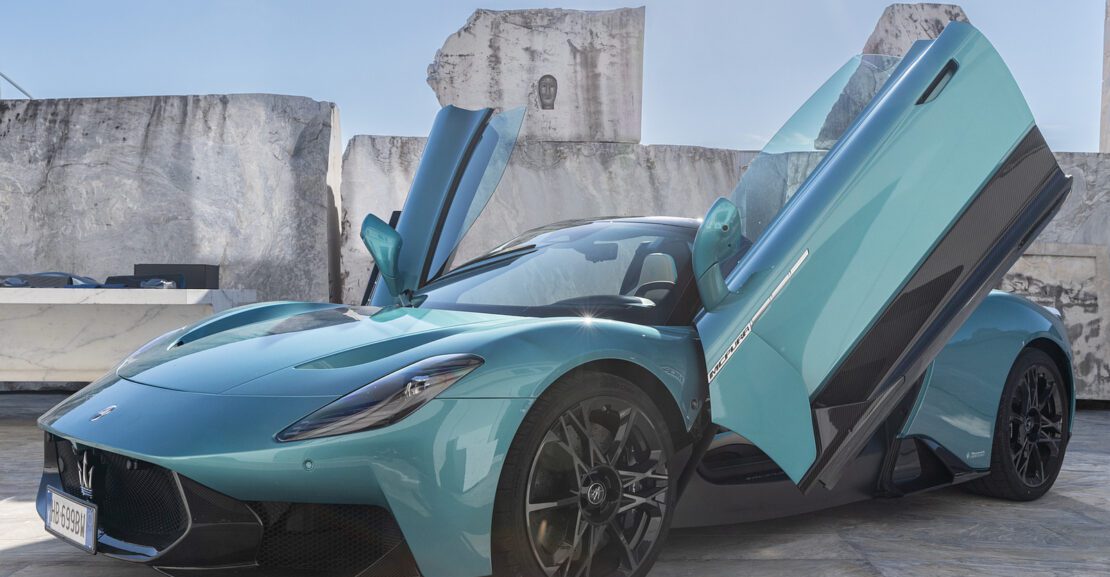
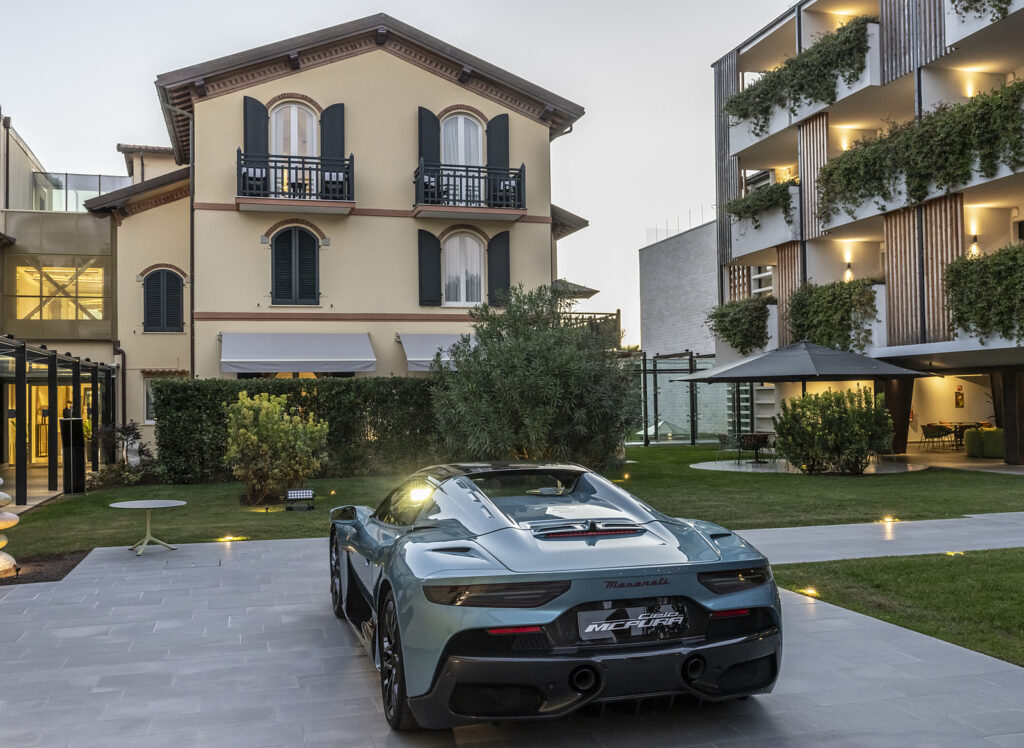
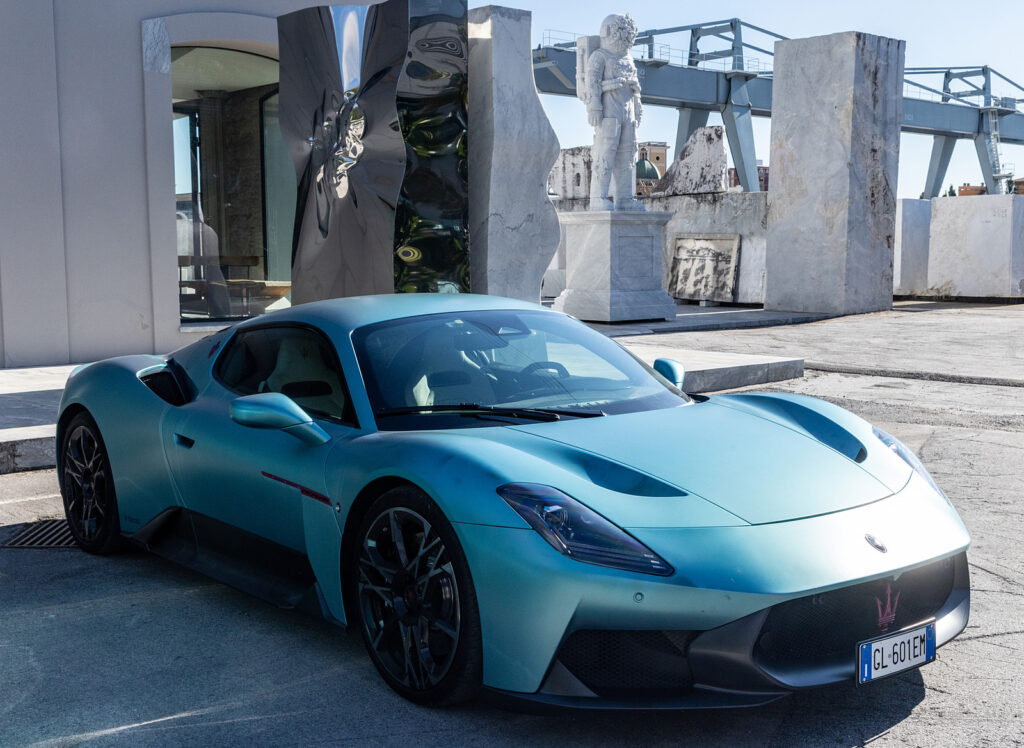
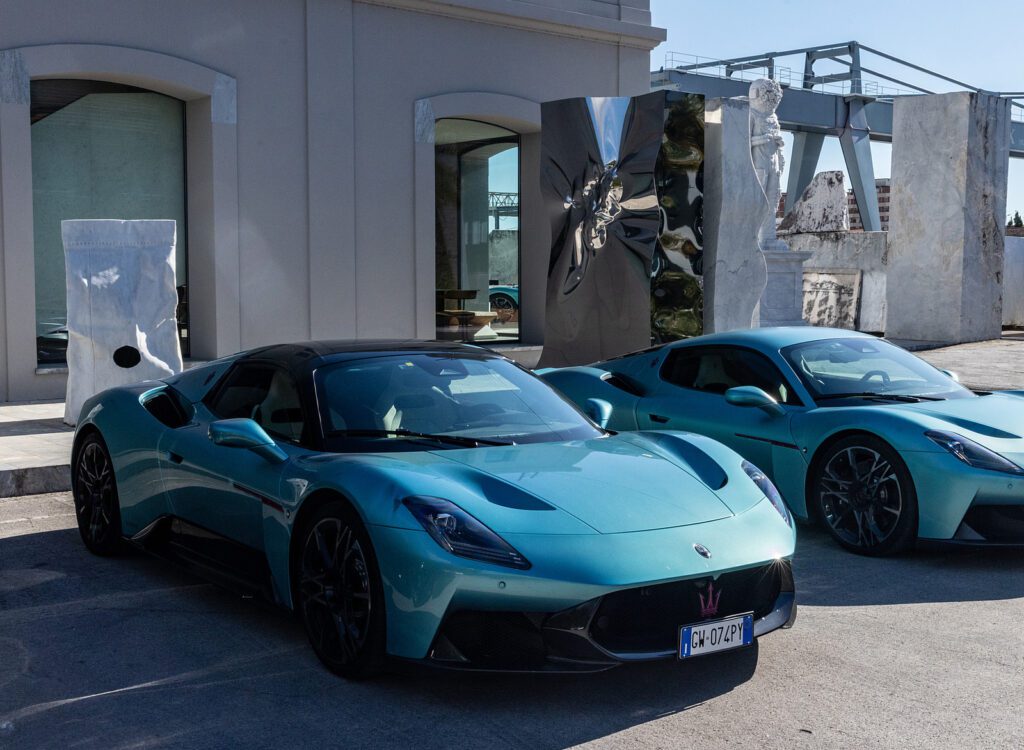
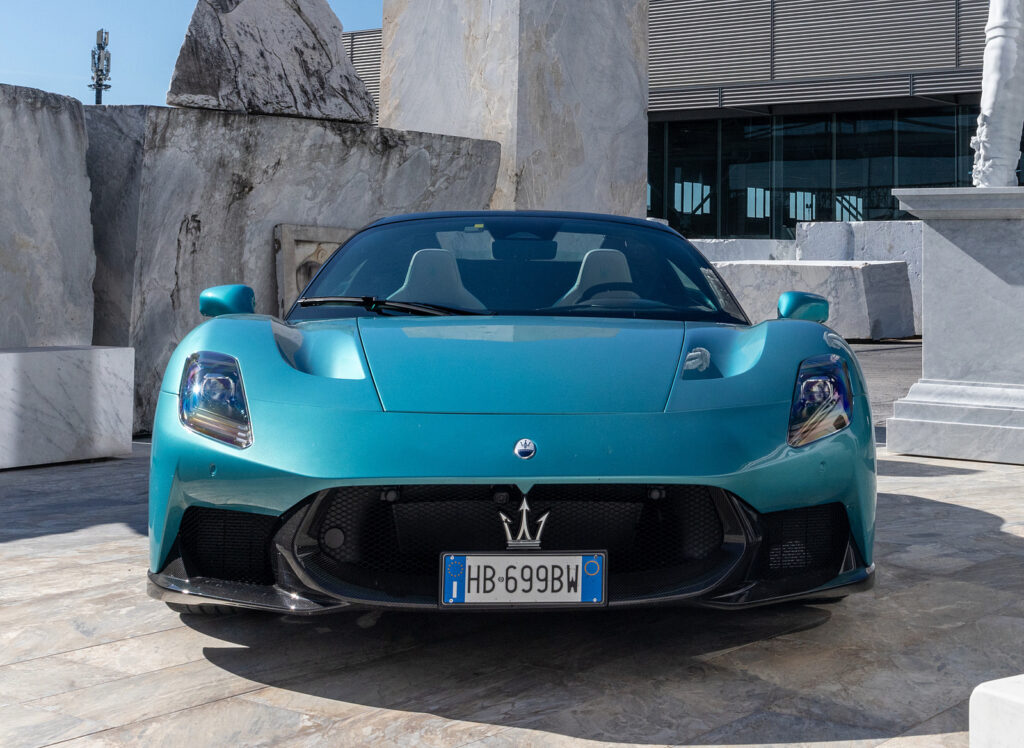
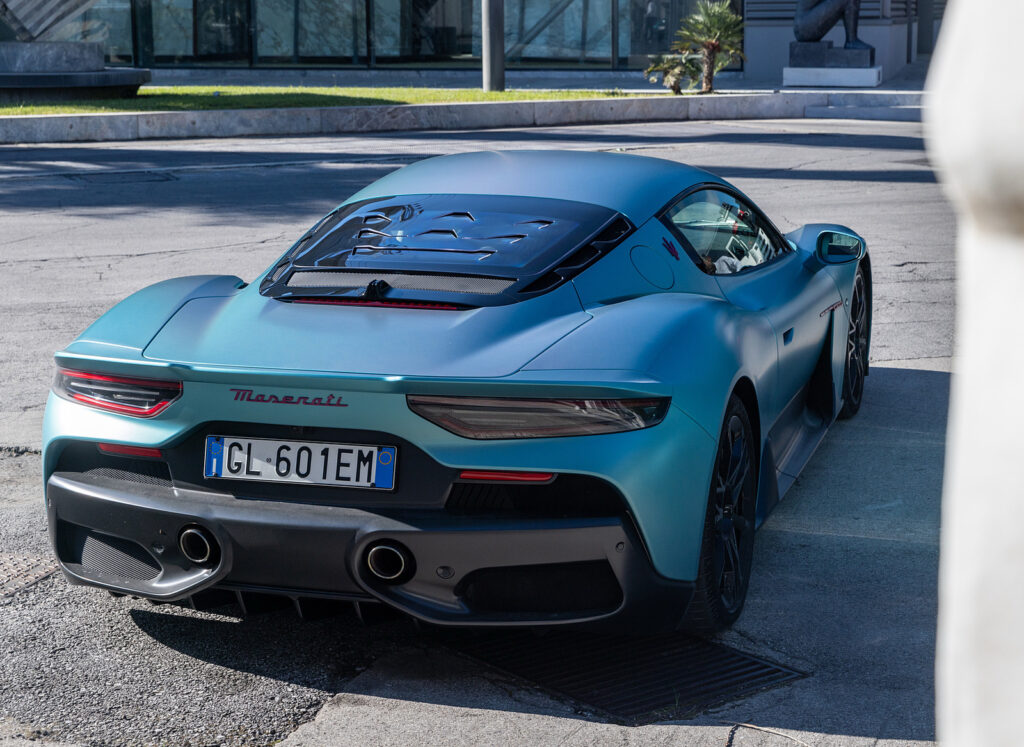
The 2026 Maserati MCPura doesn’t rewrite the MC20’s design language—it refines it. The proportions remain unmistakably mid-engine: low nose, compact canopy, and broad haunches that telegraph purpose even at a standstill. Surfaces are smoother, vents and intakes more sharply defined, and the overall stance still commands attention through balanced aggression rather than excess. The signature butterfly doors stay on, as much a practical flourish as a visual one, easing entry and exit while underscoring the car’s exotic appeal.
The Cielo variant keeps its electrochromic glass roof, a piece of functional theater that shifts from transparent to opaque at a touch—sunlight when you want it, serenity when you don’t.
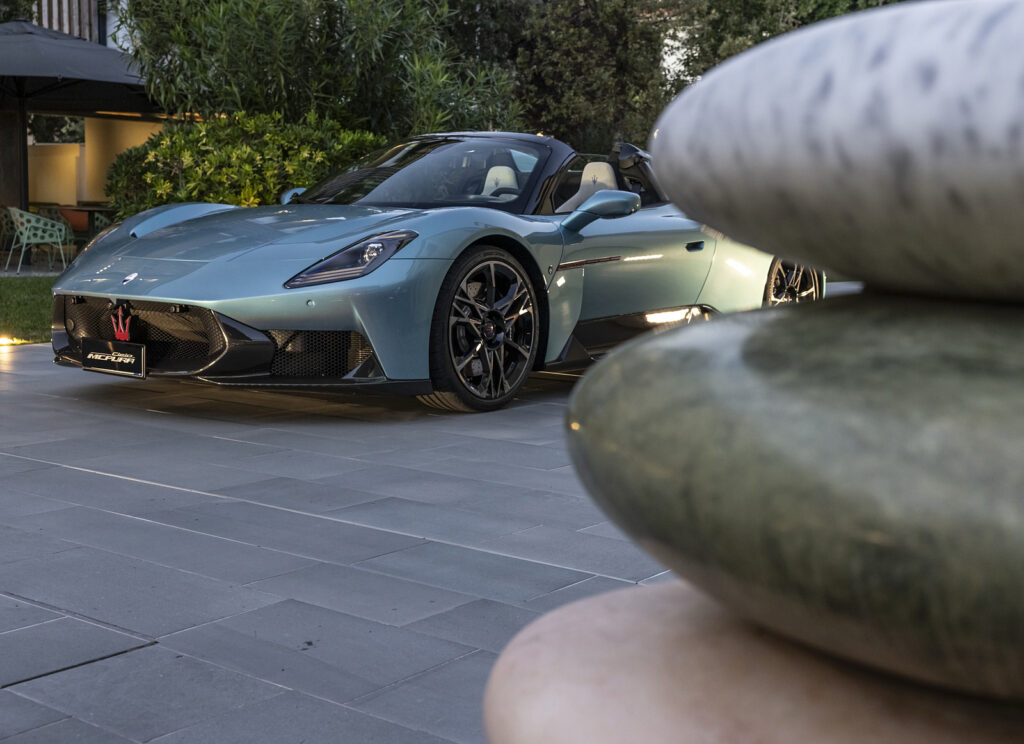
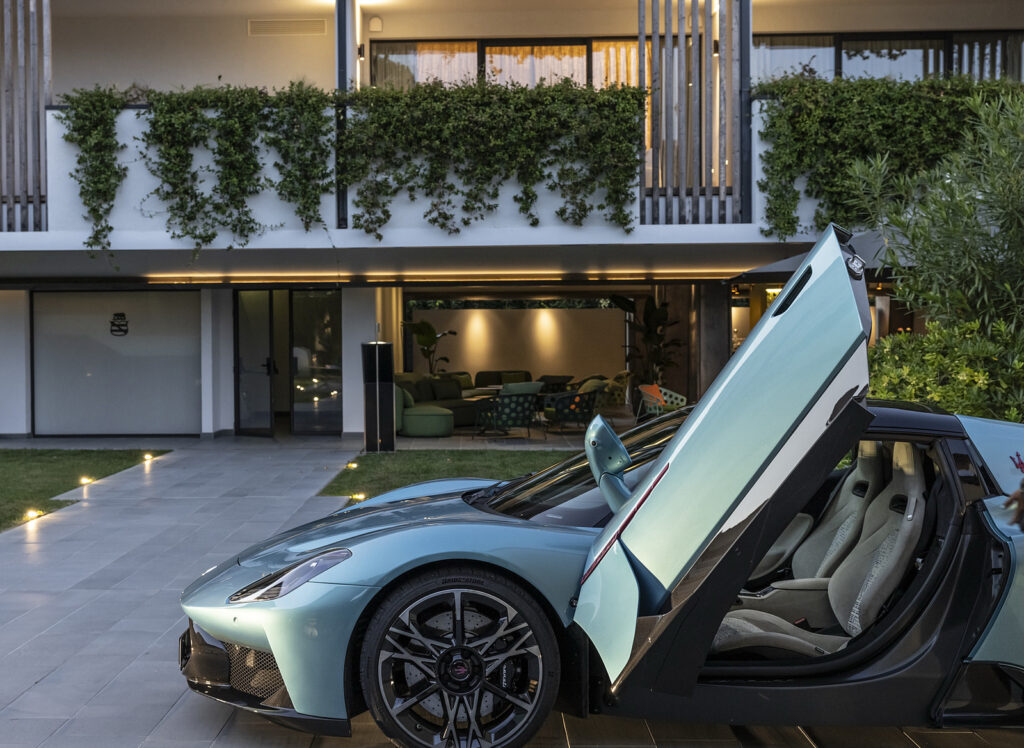
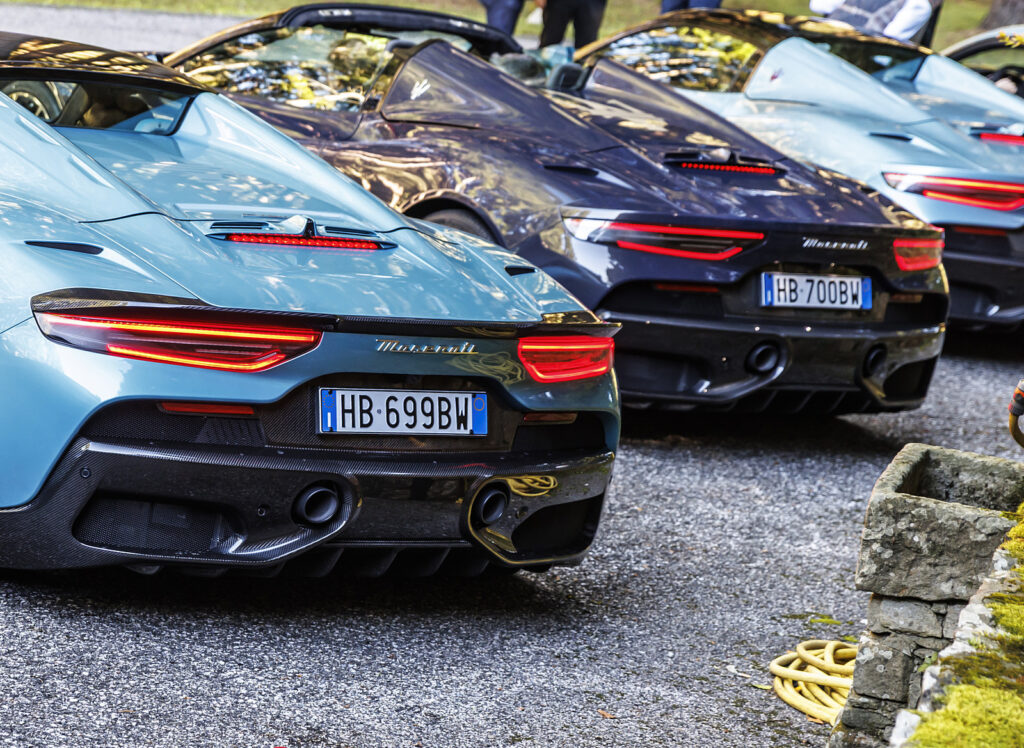
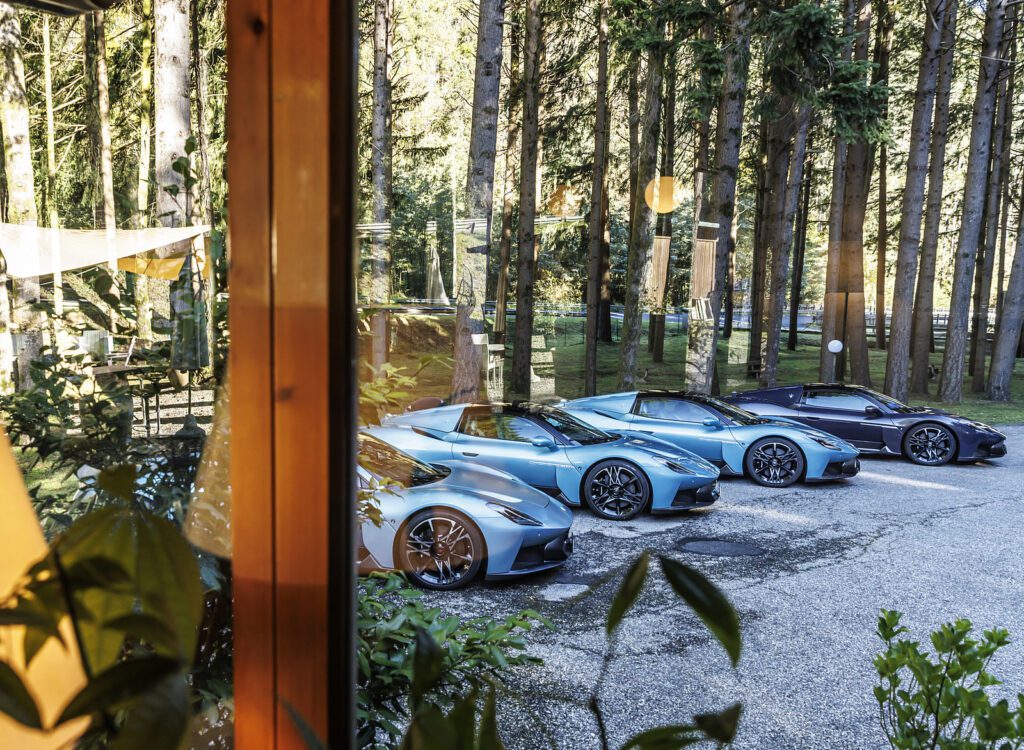
Where the MCPura truly expands is in personal expression. Maserati’s Fuoriserie program now offers over thirty color options, spanning solid, metallic, tri-coat, quad-coat, and matte finishes. New shades join the mix: AI Aqua Rainbow, a shimmering blue that plays with light; Devil Orange, bold and kinetic; and Night Interaction, a deep, elegant tone for understated drama. It’s a palette designed not just to paint the car, but to express personality—an evolution that complements the MCPura’s ethos of precision and individuality.
Nettuno V6 remains the star
The 2026 Maserati MCPura stays loyal to the heart of the MC20—its 3.0-liter twin-turbo Nettuno V6—and that’s no bad thing. The hand-built unit remains a showcase of Maserati’s racing-inspired tech, featuring pre-chamber combustion (Maserati Twin Combustion) and a dry-sump lubrication system that keeps it compact, low-slung, and ready for serious track work.
Output stands at 630 hp and 730 Nm (538 lb-ft), channeled to the rear wheels through an 8-speed dual-clutch transmission. The familiar performance markers carry over: 0–100 km/h in under 2.9 seconds, 0–200 km/h in under 8.8, and a top speed north of 325 km/h (≈202 mph). For American eyes, that translates to a mid-2-second 0–60 mph sprint—provided launch control and grip are on your side.
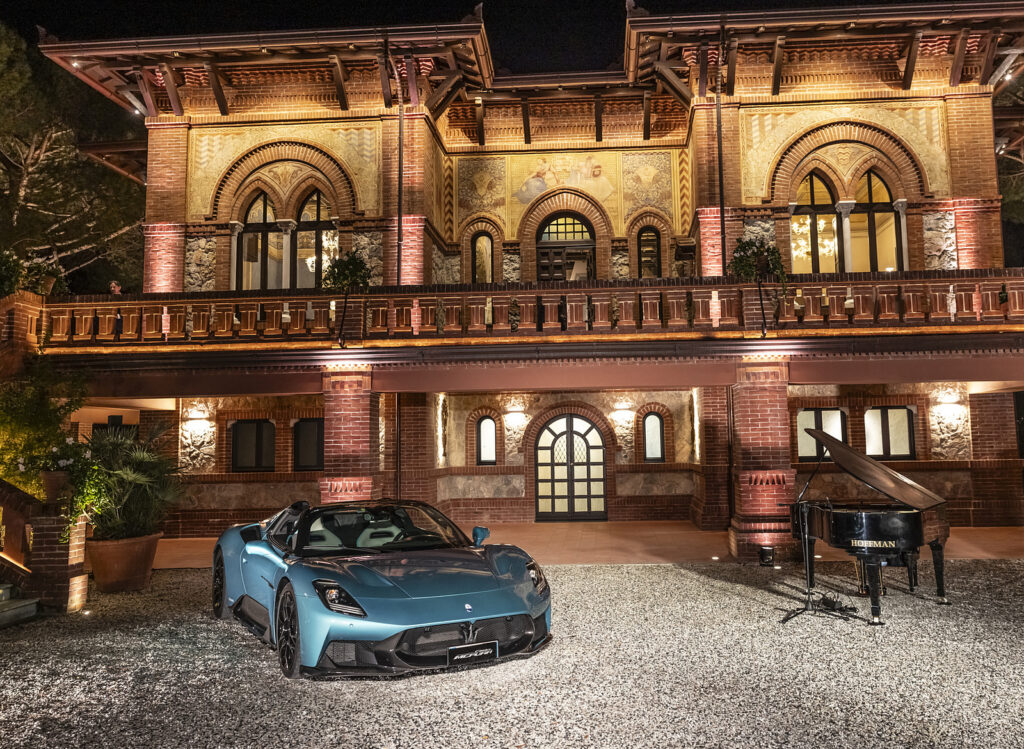
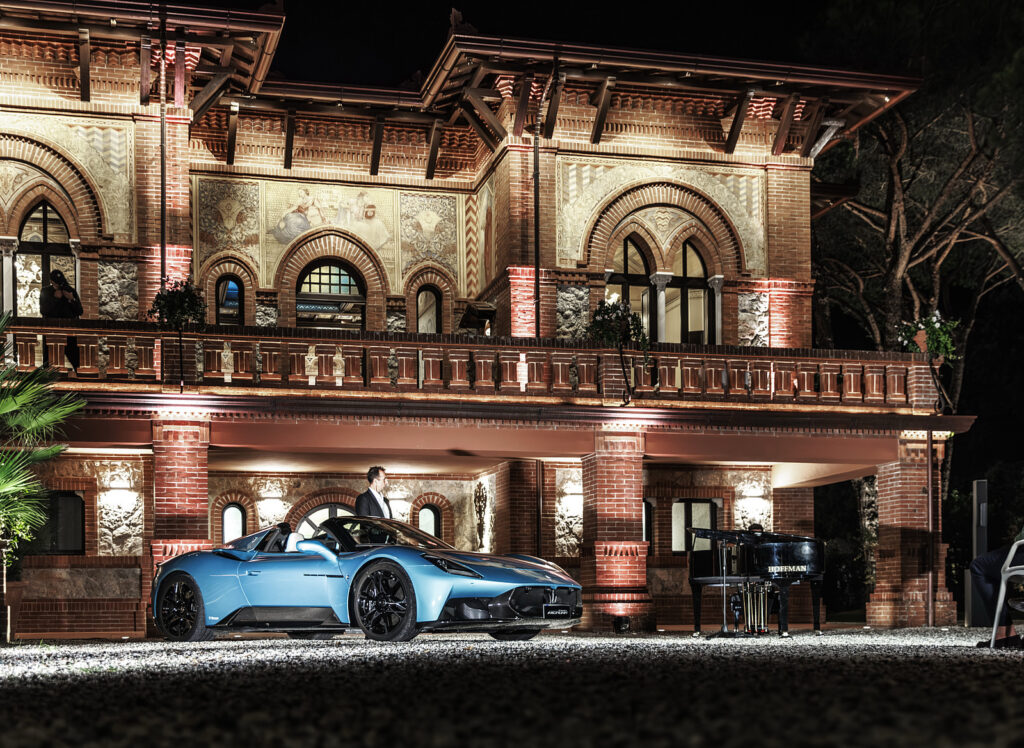
Rather than chasing headline power, Maserati has focused on refinement and feel. The MCPura’s tuning centers on sharper throttle response, more immediate shifts, and improved weight distribution—a combination that keeps the car’s raw pace intact while enhancing precision. It’s less about more power, more about how that power is delivered, balanced, and enjoyed.
Light, stiff, and focused underneath
The 2026 Maserati MCPura continues to showcase the MC20’s lightweight engineering, anchored by its carbon-fiber monocoque and aluminum subframes. The result is a curb weight under 1,500 kg (≈3,307 lb)—a figure that gives the car its agility and immediacy. Pair that with 630 hp, and the 2.33 kg/hp weight-to-power ratio tells you everything about how hard this Maserati can launch and how effortlessly it builds speed.
Underneath, the double-wishbone suspension with a virtual steering axis remains at both ends, engineered for crisp steering feedback and precise camber control. A front-axle lifter is available to clear speed bumps and steep driveways, while the rear axle houses a mechanical limited-slip differential as standard; those craving even sharper dynamics can spec the electronically controlled LSD.
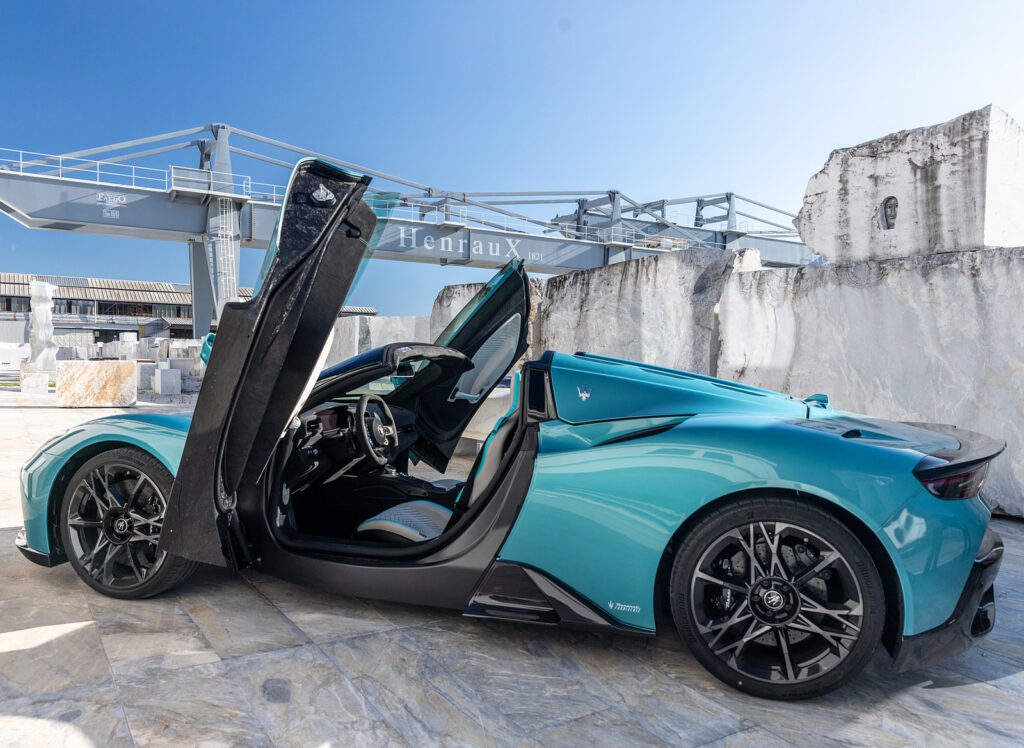
Braking comes from Brembo hardware—ventilated discs with six-piston front and four-piston rear calipers—with optional carbon-ceramic rotors for serious fade resistance and reduced unsprung mass. Tire sizes stay faithful to the MC20 recipe: 245/35ZR20 fronts and 305/30ZR20 rears, chosen for balance and adjustability rather than brute traction.
Maserati also sticks to its clean aero philosophy. Instead of active wings or exaggerated add-ons, the MCPura relies on sculpted bodywork and an integrated rear spoiler to manage airflow. The result is a slippery shape that maintains a drag coefficient below 0.38, proving that elegance and efficiency can coexist in a mid-engine supercar.
Cabin, modes, and connectivity
The 2026 Maserati MCPura cabin stays true to the driver-first philosophy that defined the MC20—minimal distractions, maximum focus. The architecture is lean and symmetrical, built around two 10-inch displays: a configurable digital cluster and a central infotainment touchscreen running Maserati’s latest interface.
The center console, trimmed in exposed carbon fiber, houses only the essentials—gear selectors, drive-mode toggle, and window controls—while most dynamic functions are integrated into the steering wheel. That includes the start/stop button, launch control, and a prominent drive-mode selector, ensuring you never have to reach away from the rim when setting up for a corner.
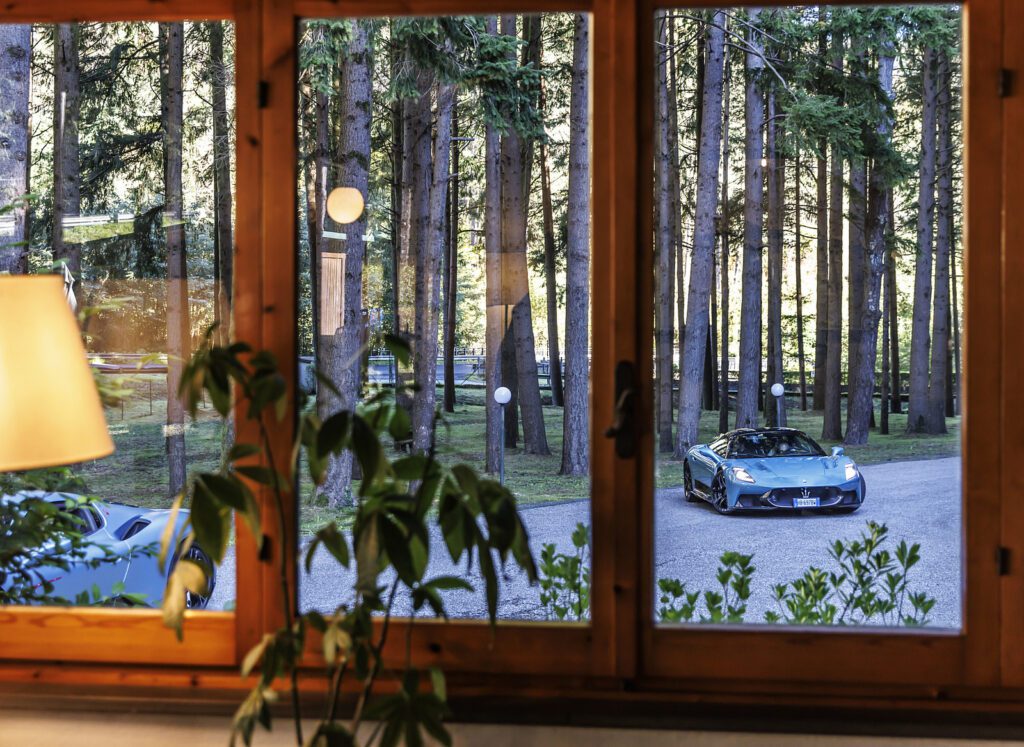
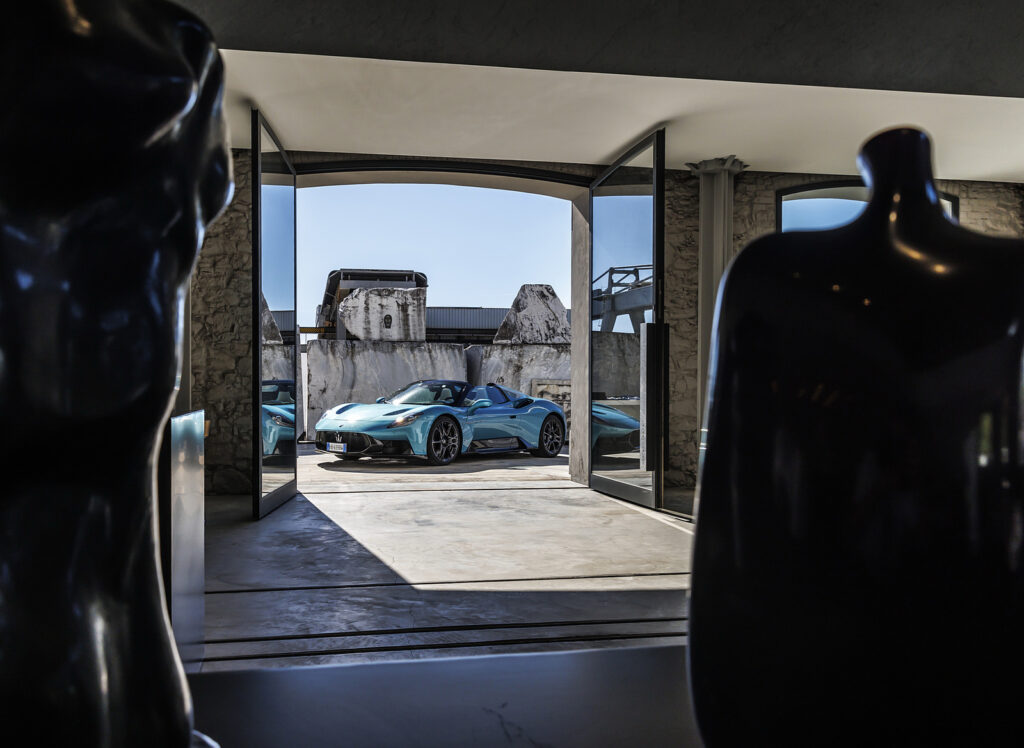
Drive modes—GT, Wet, Sport, and Corsa, with an ESC-Off option—let the car shift personality from compliant grand tourer to track-ready weapon. Maserati Connect brings real-time navigation, Amazon Alexa, Wi-Fi hotspot, and remote access via the app, rounding out the tech suite. You also get wireless charging and modern USB-C ports, but the overall design avoids over-digitization—the focus stays firmly on driving, not swiping.
Cielo’s glass‑roof trick still charms
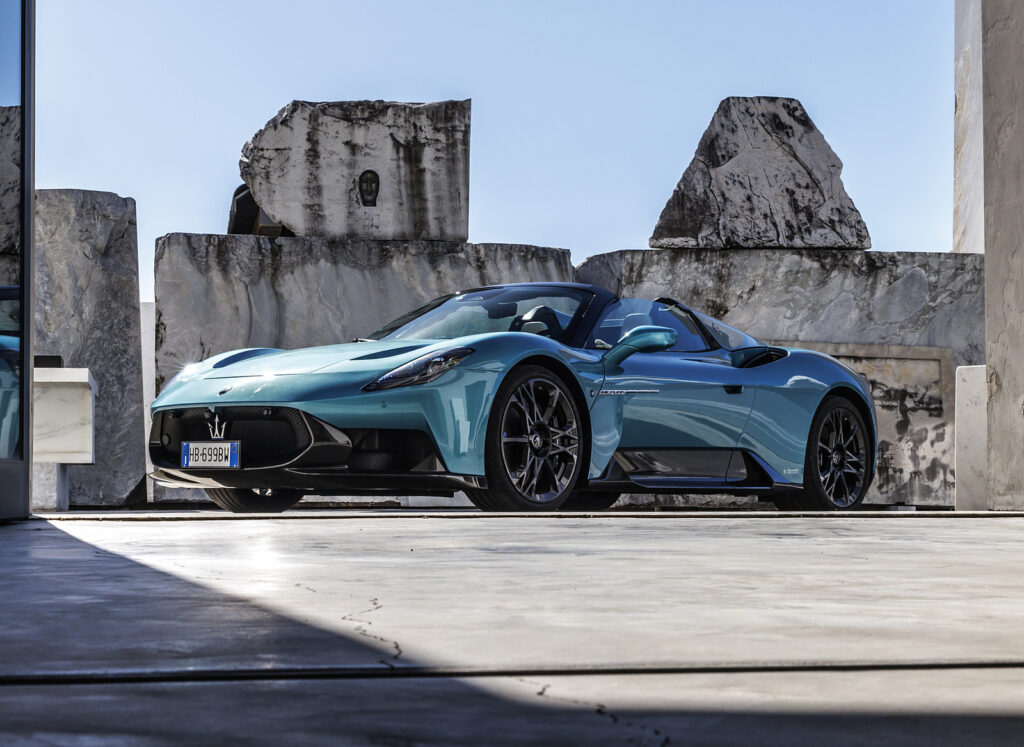
The MCPura Cielo carries over its standout electrochromic glass roof, which transitions from clear to opaque at the touch of a button. It’s a subtle but theatrical feature that lets drivers enjoy open-air freedom without compromising the car’s sleek coupe profile. When closed, it maintains the MC’s flowing silhouette; when clear, it floods the cockpit with light for an airy, supercar-meets-grand-tourer feel.
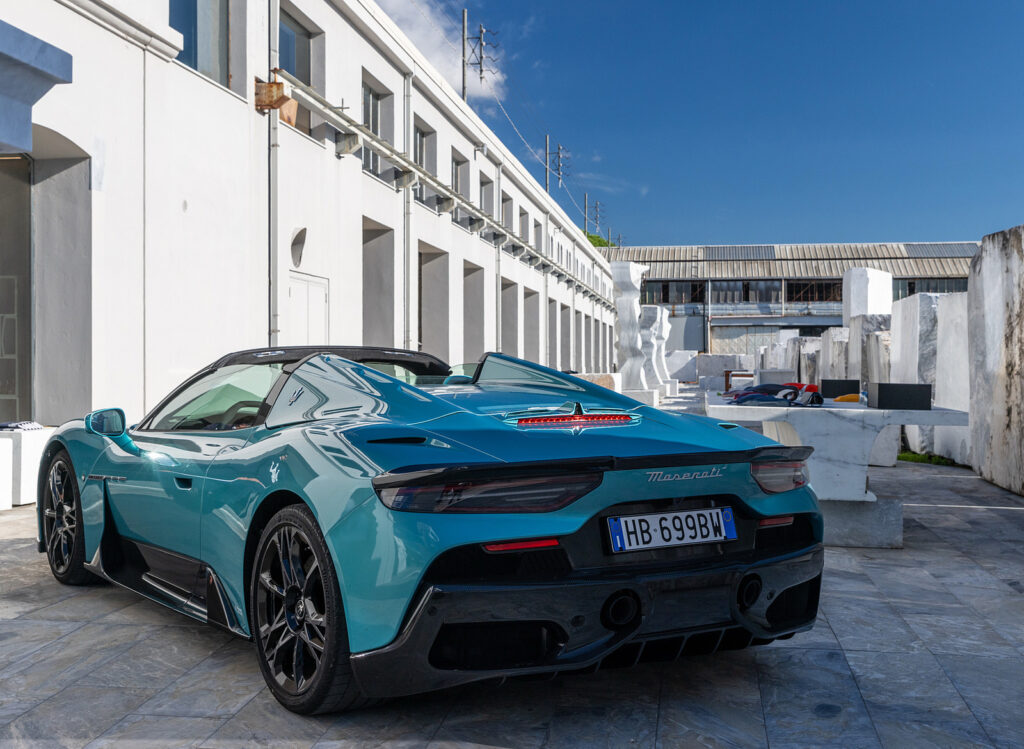
Importantly, the Cielo shares the same carbon-fiber monocoque as the coupe, so structural rigidity remains intact. That means no cowl shake, no flex, and no weighty reinforcements dulling the responses—just the same crisp, communicative dynamics the MC lineup is known for, whether the roof is up, down, or somewhere in between.
Numbers that matter
Engine: 3.0‑liter twin‑turbo Nettuno V6 with pre‑chamber combustion
Output: 630 hp and 730 Nm (≈538 lb‑ft)
Transmission: 8‑speed dual‑clutch; rear‑wheel drive; mechanical LSD (electronic diff optional)
0–62 mph: under 2.9 seconds; 0–124 mph: under 8.8 seconds
Top speed: over 202 mph
Curb weight: under 1,500 kg (≈3,307 lb); weight‑to‑power ratio 2.33 kg/hp
Suspension: double‑wishbone with virtual steering axis; front lifter optional
Brakes: Brembo; carbon‑ceramic rotors optional
Price and timing
Maserati hasn’t yet announced U.S. pricing for the 2026 MCPura, but context points to familiar territory. The outgoing MC20 coupe has typically started in the low-$200,000 range, with the Cielo convertible commanding a healthy premium above that. Given the MCPura’s refinements and expanded personalization options, expect base pricing to hover around those figures, while Fuoriserie customization—from exclusive paints to bespoke interiors—will easily push final totals well into the upper-$200,000s or beyond, depending on specification.
How it fits next to the MC20
The MC20 was a statement of intent—a return to Maserati’s roots in homegrown engineering and true super-sports performance, all conceived, developed, and assembled in Modena. The 2026 MCPura builds directly on that groundwork, keeping the carbon-fiber monocoque, Nettuno twin-turbo V6, and dual-clutch transmission, but tuning each element for refinement, response, and feel. This isn’t a reinvention so much as a polish of a strong foundation. For the full technical deep dive—covering the MC20’s virtual development process, aero philosophy, and those theatrical butterfly doors—Maserati’s original MC20 engineering story remains the best window into the platform the MCPura proudly evolves.
Where Maserati aims next
The 2026 Maserati MCPura doesn’t aim to reinvent the formula—it refines it. The updates focus on craftsmanship, personalization, and balance rather than spectacle. The powertrain remains formidable, the dynamics sharp, and the design unmistakably Maserati, now framed by a broader color palette and finer interior detail. Those expecting a radical leap might call it conservative; enthusiasts who value feel, finish, and coherence will see it as maturity. In a segment crowded with louder statements, Maserati’s restraint feels intentional—and authentically Italian.