2025 Chevrolet Corvette CX and CX.R Vision Gran Turismo redraw the playbook
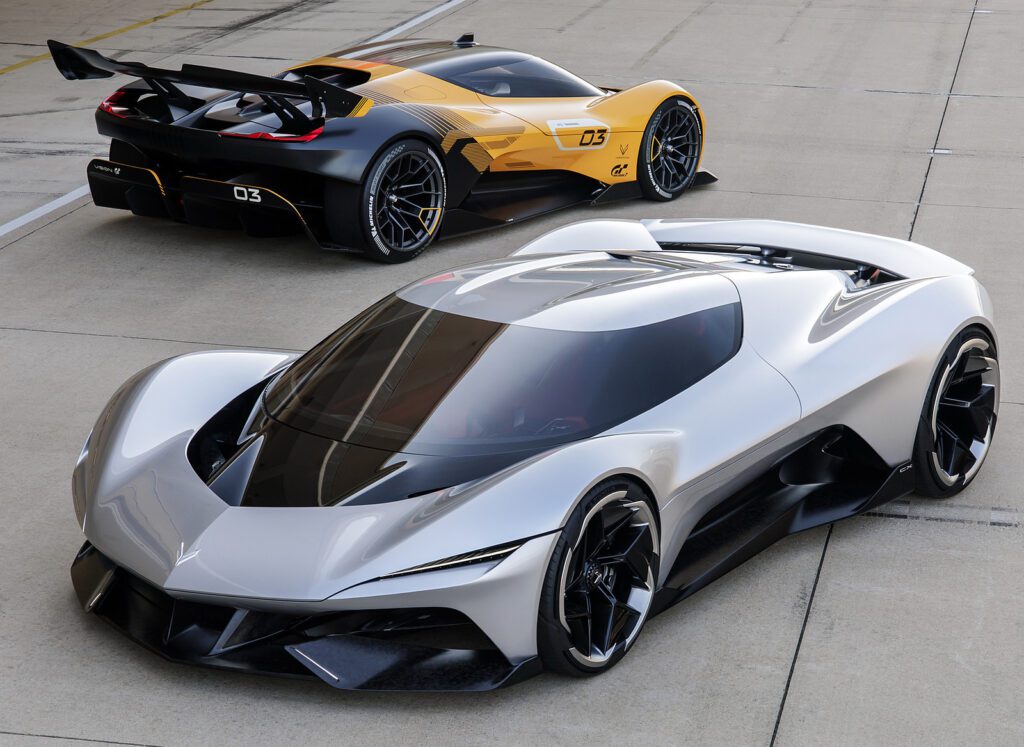
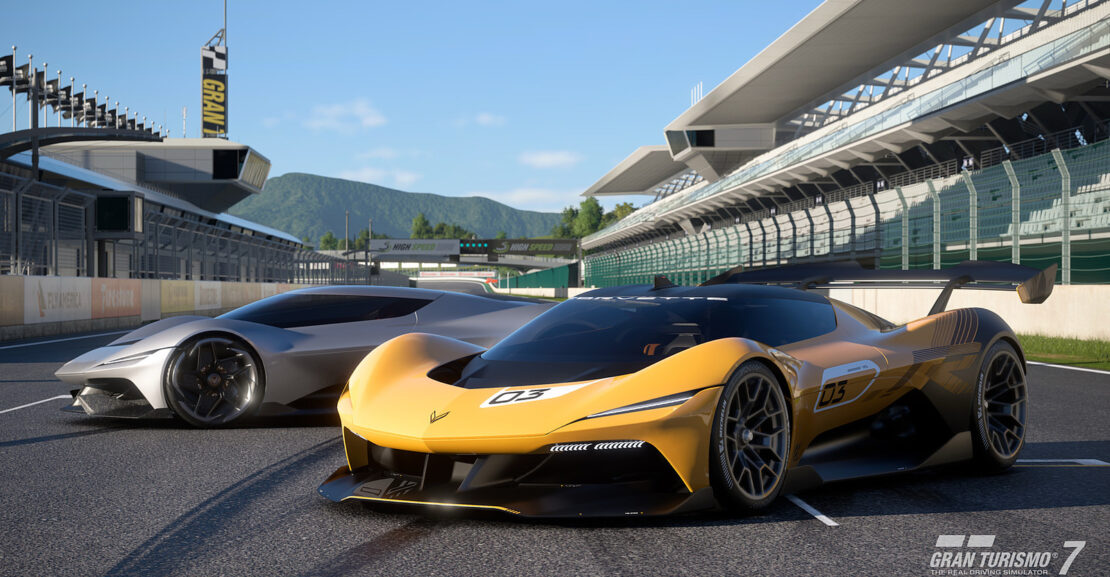
Chevrolet is pushing its most iconic sports car nameplate into uncharted territory with two forward-looking concepts: the 2025 Corvette CX and the 2025 Corvette CX.R Vision Gran Turismo. Neither is destined for dealerships, but both preview the brand’s evolving design language and its appetite for cutting-edge race tech. The CX is a radical all-electric road-and-track machine featuring fan-assisted downforce, while the CX.R is a virtual-only racer that pairs a high-revving V8 with electric drive on the front axle. Gamers will be able to experience both exclusively in Gran Turismo 7.
Design that leans hard into Corvette DNA
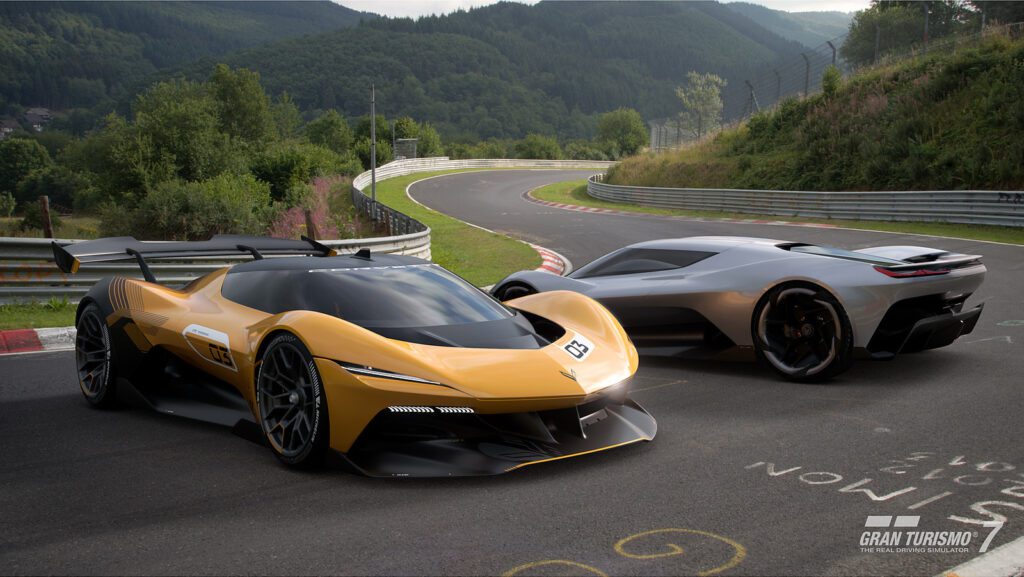
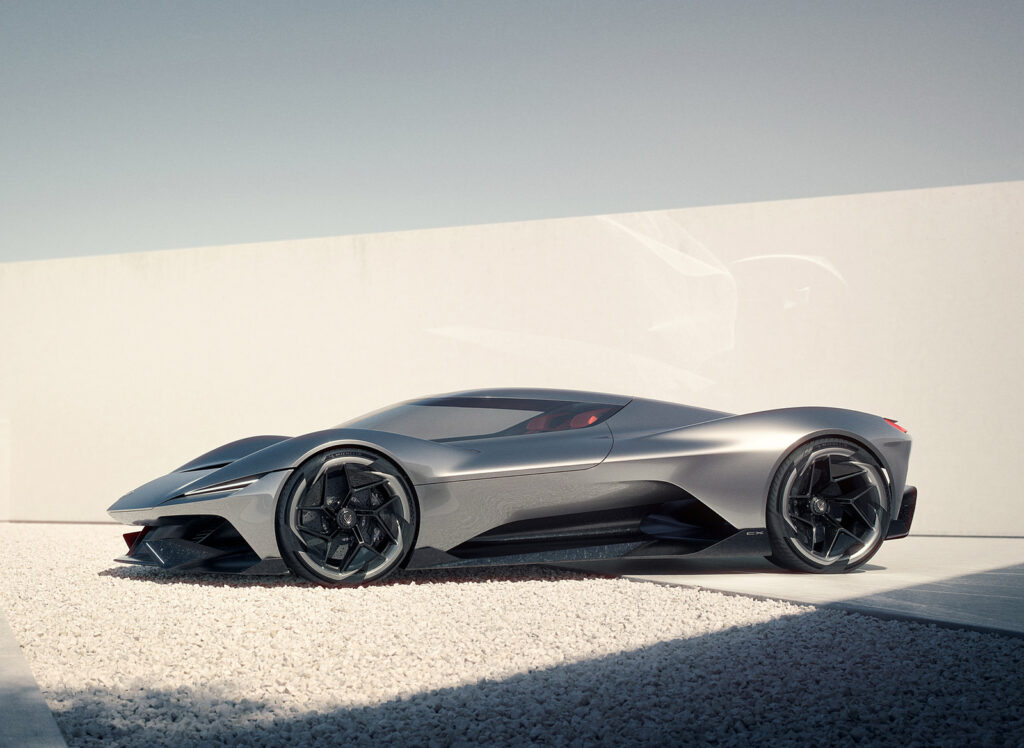
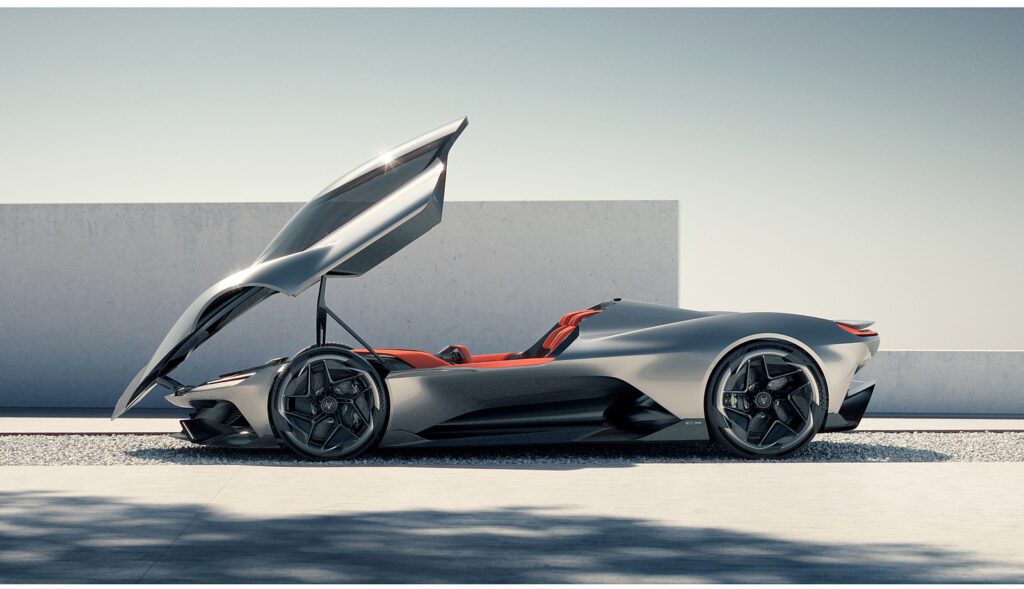
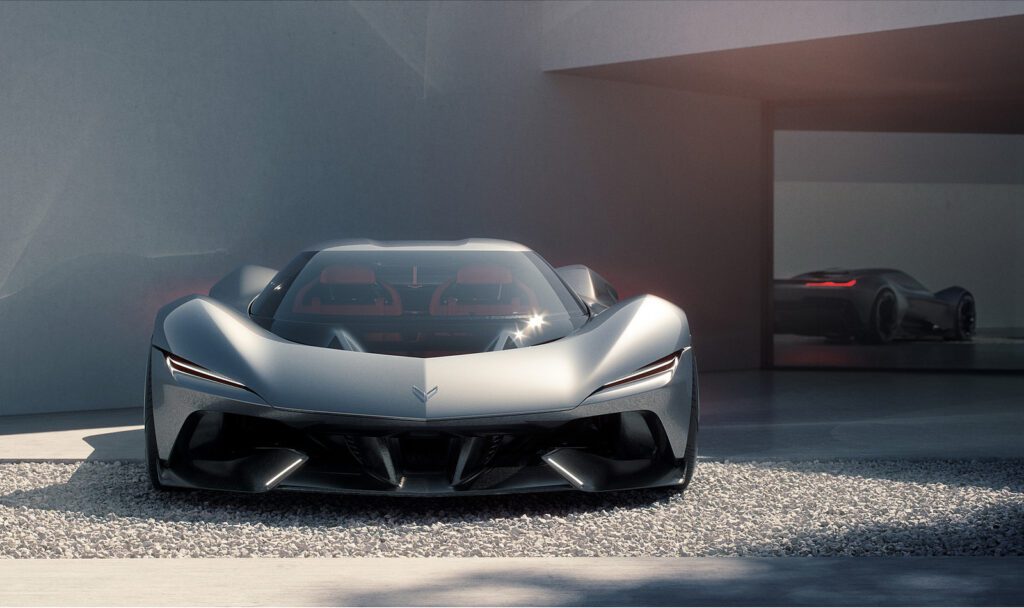
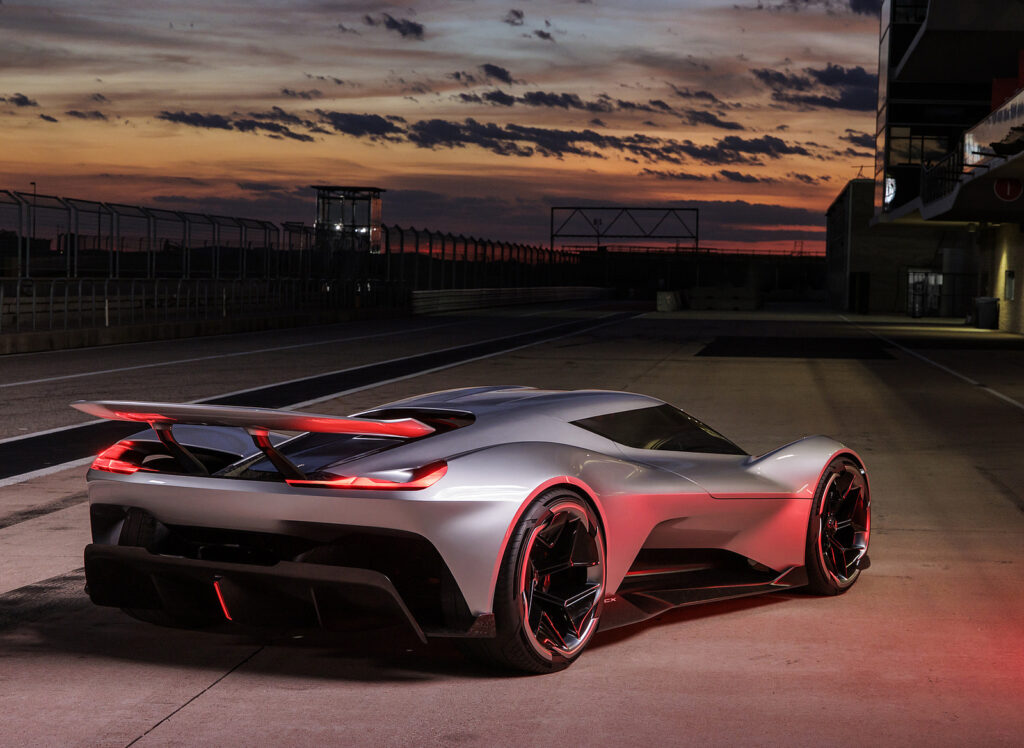
The CX and CX.R reinterpret classic Corvette signatures—long hood, low cowl, and a pronounced shoulder line—but stretch them to dramatic new extremes. The canopy sits under 41 inches tall, shaped like a fighter-jet bubble before tapering into a tail framed by slim, twin-element lamps. Crisp surfaces and deep body channels expose structural elements while guiding airflow with purpose.
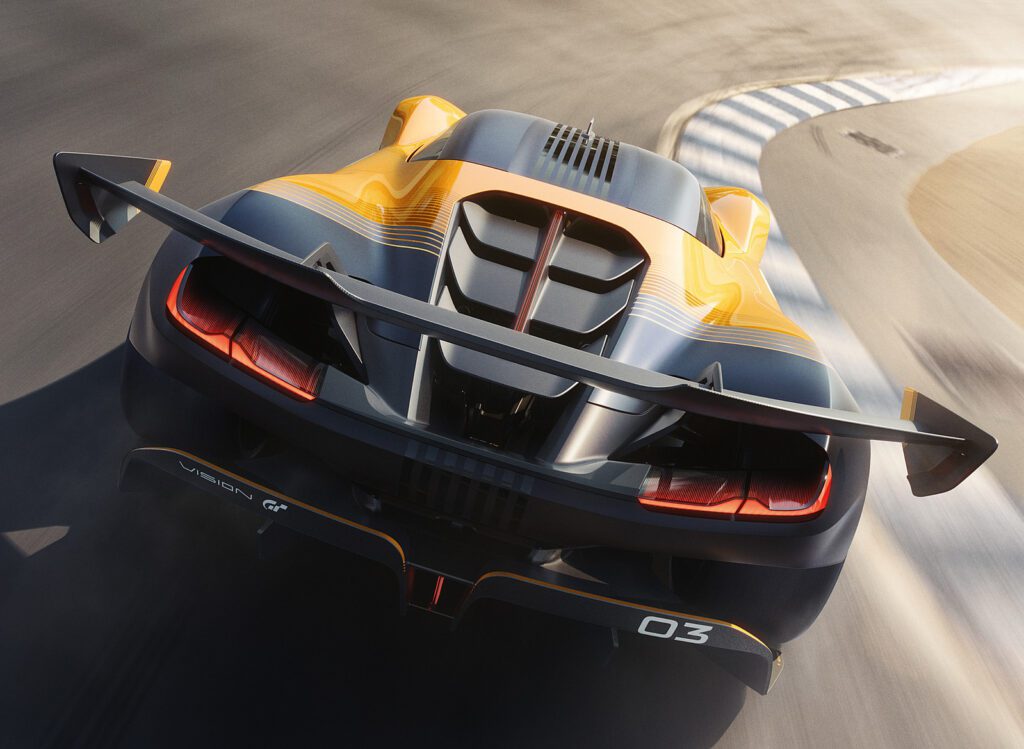
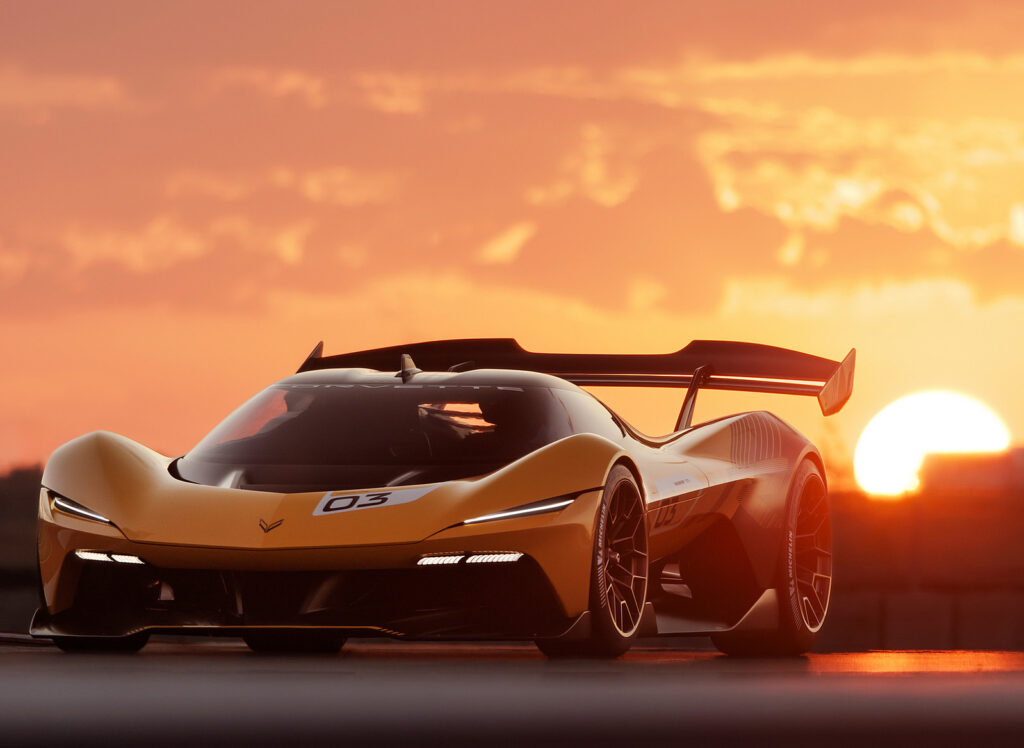
The CX.R pushes things even further. It rides lower, sheds weight, and bolts on unapologetic aero gear, headlined by a towering rear wing that leaves no doubt about its mission. Both concepts are instantly recognizable as Corvettes, yet the CX.R’s stance and hardware clearly speak the language of the pit lane rather than the boulevard—serious, aggressive, and purposeful without gimmickry.
Aero that thinks for itself
Chevy’s concept team worked hand-in-hand with GM’s Motorsports Aero Group—and then pushed the envelope further. The CX introduces a Vacuum Fan System that channels air through open bodywork and across the rear diffuser, generating serious downforce and dynamic balance that adapts in real time. Active front and rear diffusers, along with a responsive rear wing, constantly fine-tune grip. Even the suspension wishbones double as airfoils to trim lift at the nose. It’s a bold, modern spin on the legendary “fan car” idea—ambitious, yes, but a clear statement of how Chevrolet envisions the future of integrated aero.
Powertrains from two futures
Beneath the CX’s sculpted bodywork lies a fully electric platform designed around packaging freedom and razor-sharp response. Four motors—one at each wheel—combine for more than 2,000 horsepower, with torque vectoring precisely apportioning thrust to enhance turn-in and maximize grip. A 90-kWh lithium-ion pack is integrated low in the chassis, aiding both center of gravity and front-to-rear balance. Chevy hasn’t disclosed torque, acceleration, or top-speed numbers, but the mission is unmistakable: hypercar pace paired with surgical control.
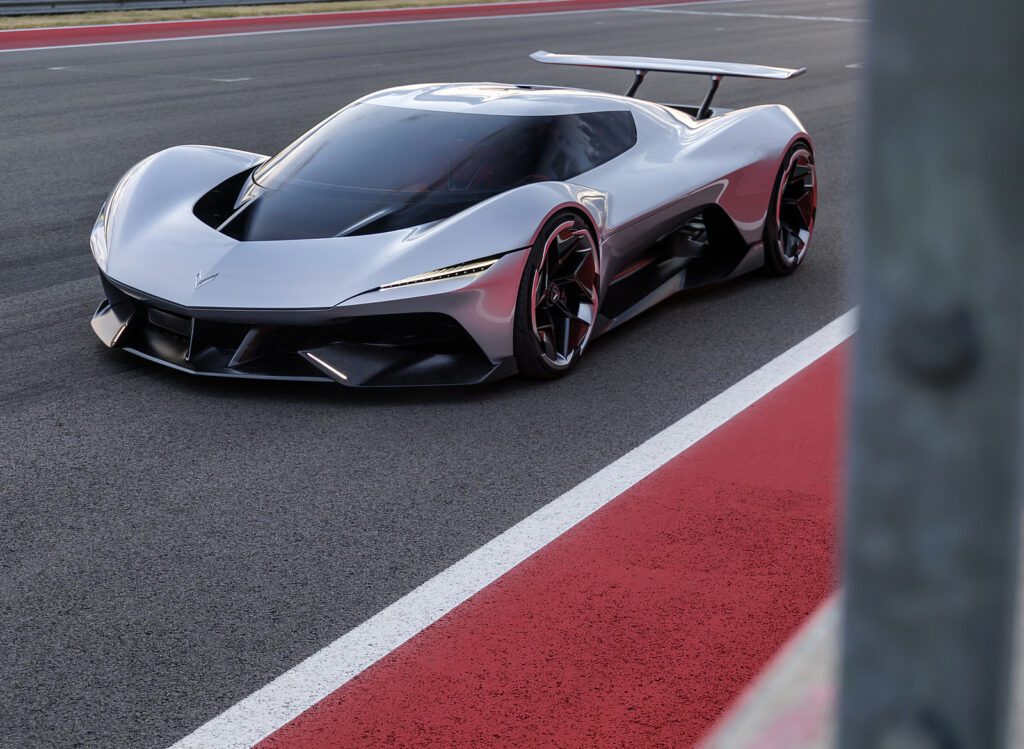
The CX.R Vision Gran Turismo takes a different path, leaning on hybrid endurance-racing DNA. Its centerpiece is a mid-mounted 2.0-liter, twin-turbo DOHC V8 screaming to 15,000 rpm and delivering up to 900 hp on renewable e-fuel, mated to an 8-speed dual-clutch gearbox. Supplementing it are three electric motors—one driving each front wheel, plus another within the transmission—pushing combined output to an estimated 2,000 hp and effectively creating an advanced AWD system. It’s a setup that feels equal parts Corvette Racing think tank and Gran Turismo imagination. In reality, managing that kind of heat and energy would be a herculean task—but as a vision, it’s a clear statement of intent.
Cabins with different missions
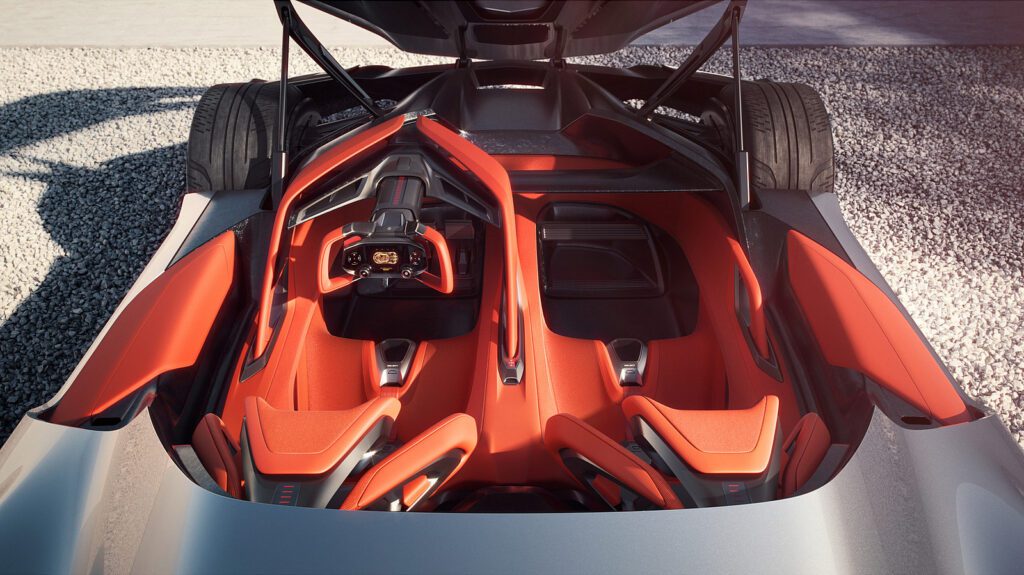
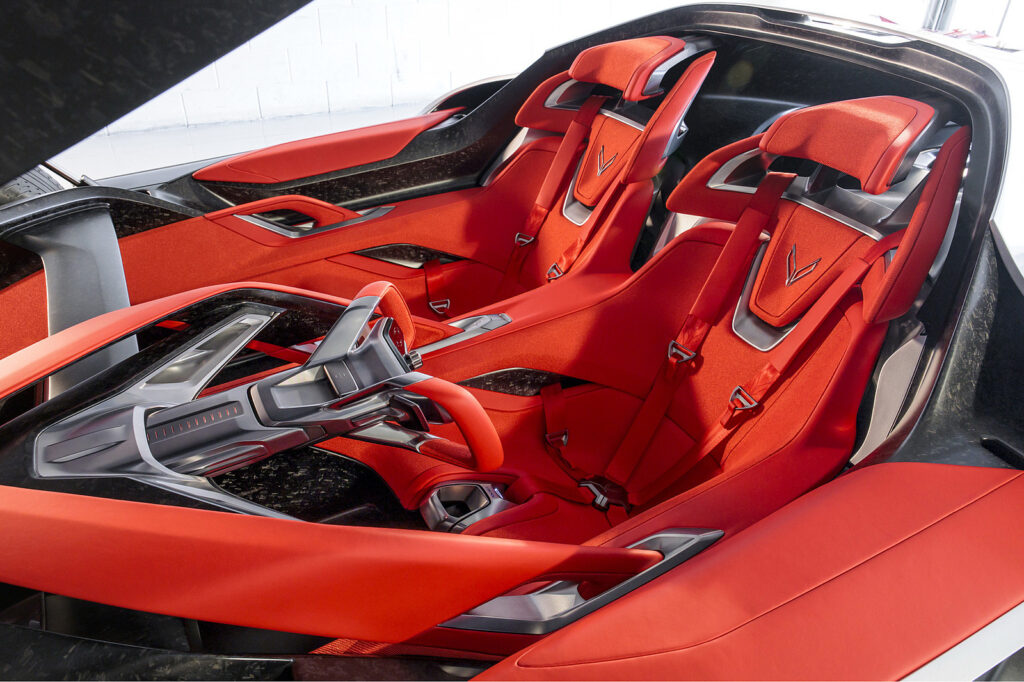
Step inside the 2025 Chevrolet Corvette CX and the drama begins with the canopy, which powers forward to reveal a cabin trimmed in Inferno Red ballistic fabric and heavily bolstered seats. Materials mix high-tech with high-touch: silicone leather, milled aluminum, and low-gloss forged carbon fiber define the surfaces you interact with most. A yoke-style wheel consolidates the controls, while a sweeping “digital windscreen” projects performance data across the glass. It’s striking and immersive—though whether that display feels visionary or distracting will depend on the driver.
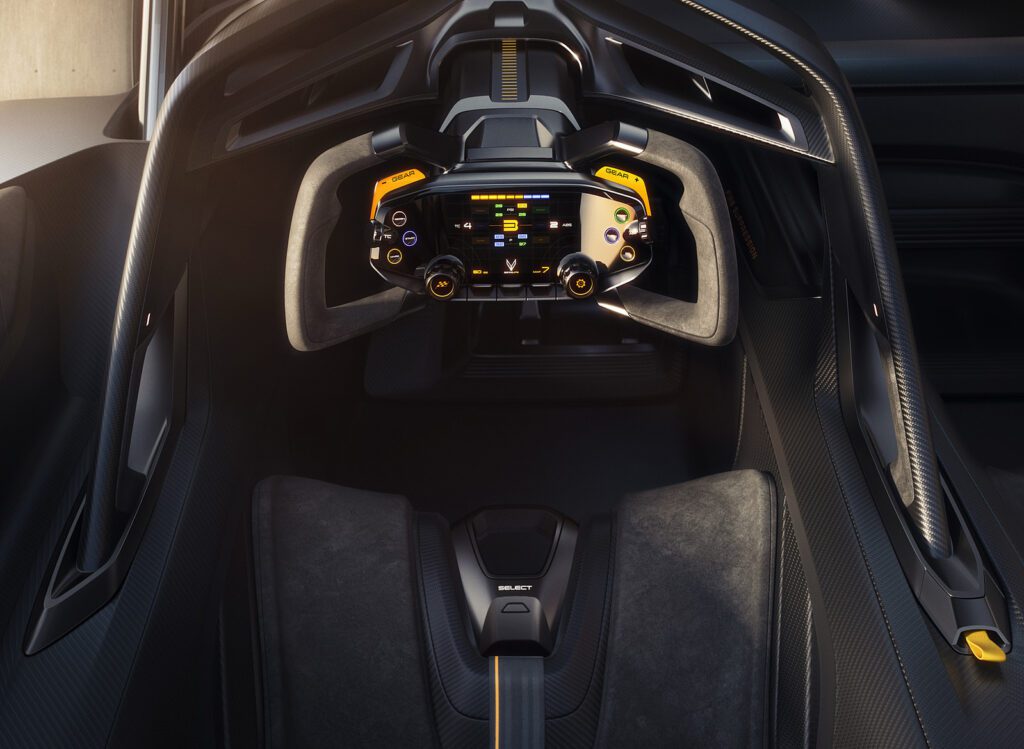
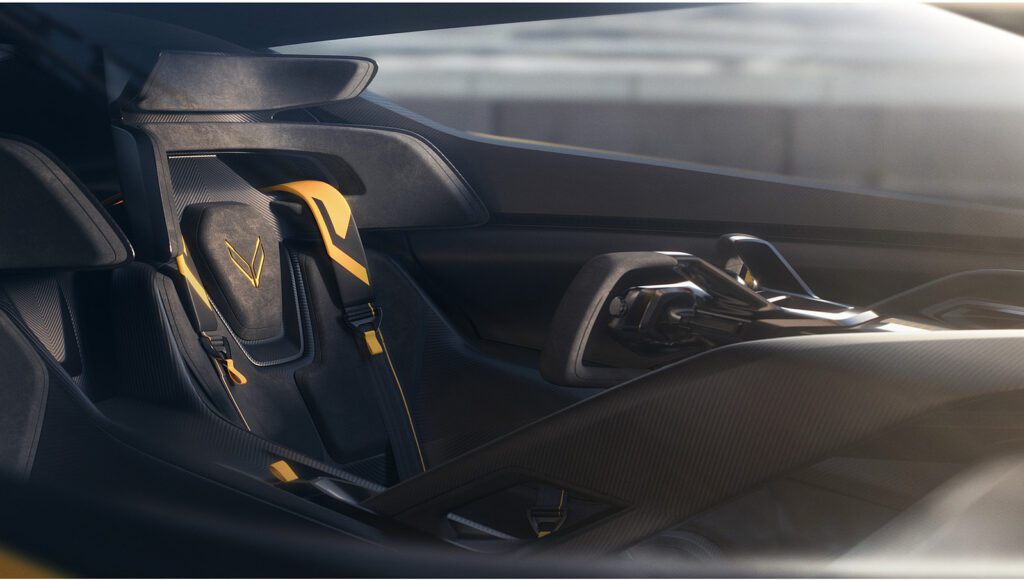
By contrast, the CX.R’s cockpit strips away theatrics in favor of focus. The dash is bare carbon weave, the seat inserts are suede-wrapped foam for grip, and the shells gain taller pads at the shoulders and headrest to anchor the driver under extreme lateral load. Minimalist and uncompromising, it looks and feels every bit the purpose-built race machine it’s meant to be.
From design studio to console
Though the 2025 Corvette CX and CX.R VGT exist only as design studies, Chevy stresses that the team developed full engineering blueprints for their chassis, powertrains, and aero systems. That technical groundwork made it possible to faithfully translate both cars into the digital realm, where they’ll debut in Gran Turismo 7. It’s a savvy move: expanding Corvette’s reach, inviting direct feedback, and ensuring the nameplate resonates with a new generation of enthusiasts who may first experience it with a controller in hand.
Heritage acknowledged, boundaries nudged
The CX and CX.R round out a string of Corvette design studies shaped across GM’s global studios and brought to life at the Chevrolet Performance Studio in Warren, Michigan. The brief is clear: preserve the proportions and cues that define Corvette, but let electrification, advanced aero, and new materials chart the path forward. Chevy isn’t quoting range, torque, or performance numbers—and that’s the point. These machines aren’t spec sheets for a showroom; they’re provocations, meant to spark ideas about where America’s sports car goes next.
The arrow still points forward
The 2025 Chevy Corvette CX and CX.R Vision Gran Turismo are more than rolling sketches—they’re bold experiments mapping out two potential futures for America’s sports car. One imagines a fan-aided electric projectile, the other a hybrid endurance racer with a beating V8 heart. Both wear confident styling, push aero in daring directions, and test engineering ideas with real bite. If these concepts are the compass guiding Corvette’s next era, the journey ahead won’t be cautious—and that’s exactly why they demand attention.