2026 Audi Q3 gets micro‑LED brains, new powertrains, and a calmer cabin
The 2026 Audi Q3 enters its third generation with crisper styling, an expanded digital toolkit, and a wider range of engines—highlighted by a stronger plug-in hybrid option. Its core recipe remains familiar: a premium compact SUV built for daily versatility. But the finer points have stepped upscale, from lighting integrated with driver-assist features to a redesigned cabin that reduces clutter while improving storage. It continues to be Audi’s most accessible SUV in size, though its aspirations have grown.
Design that reads cleaner and more athletic
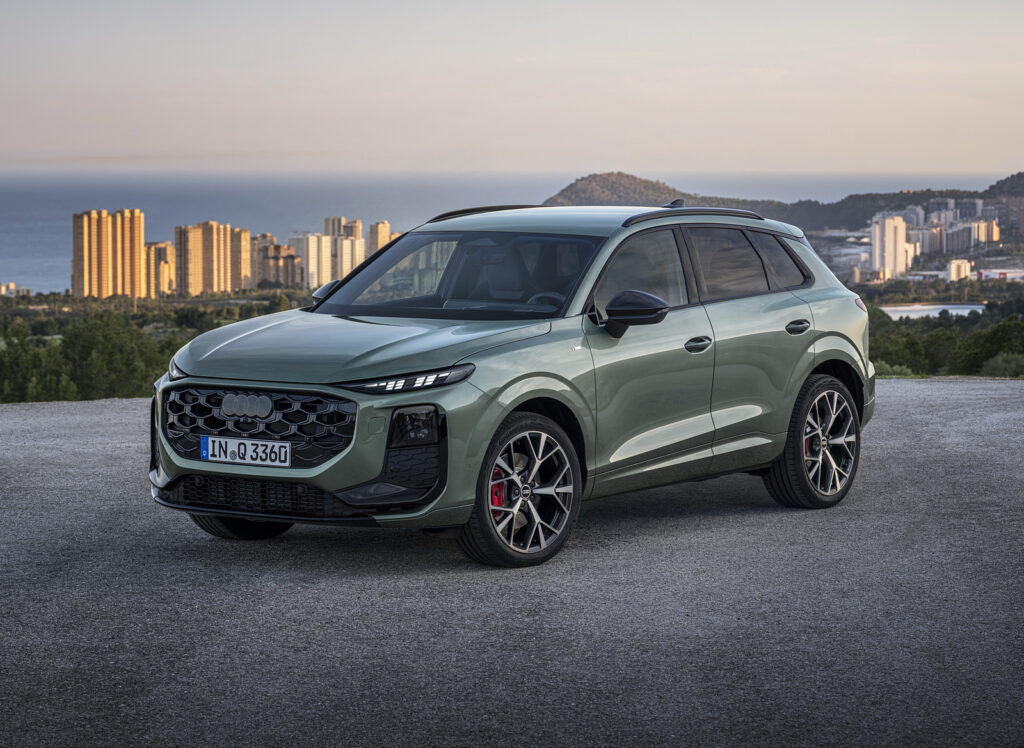
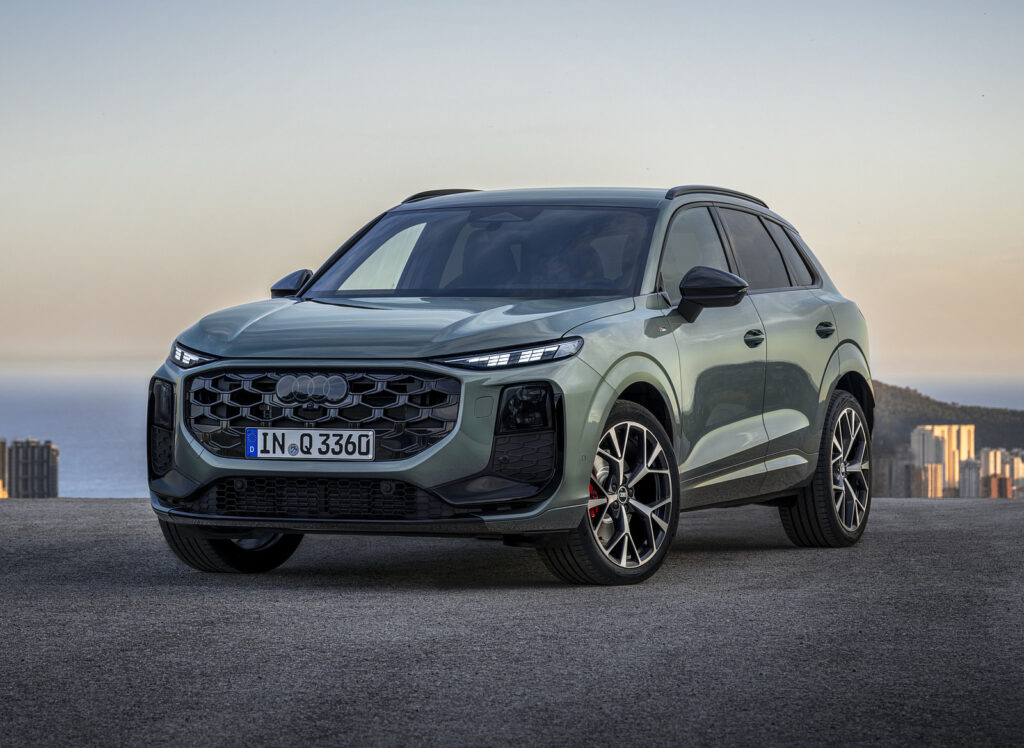
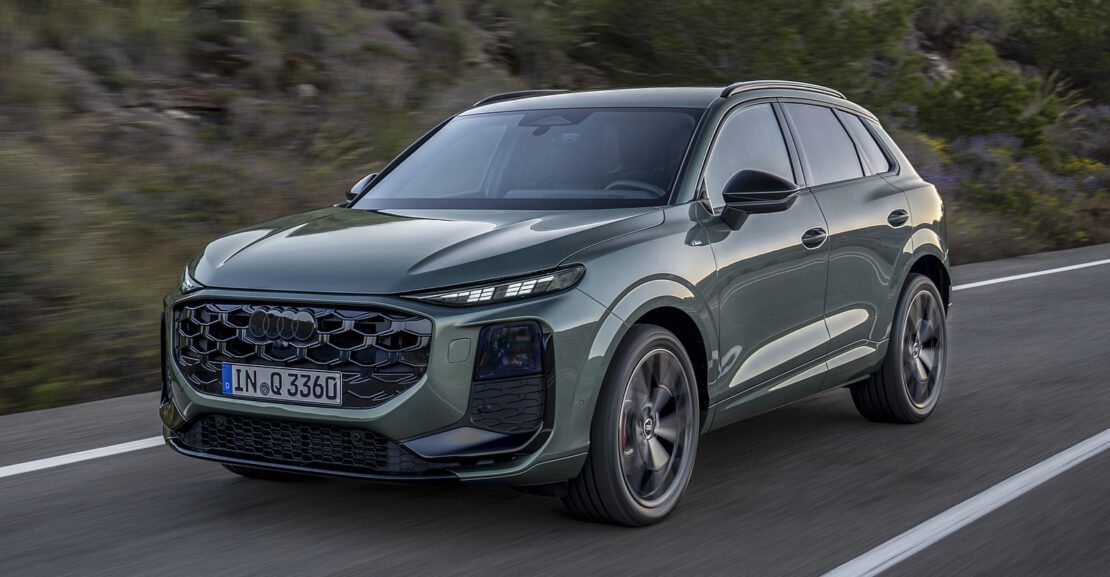
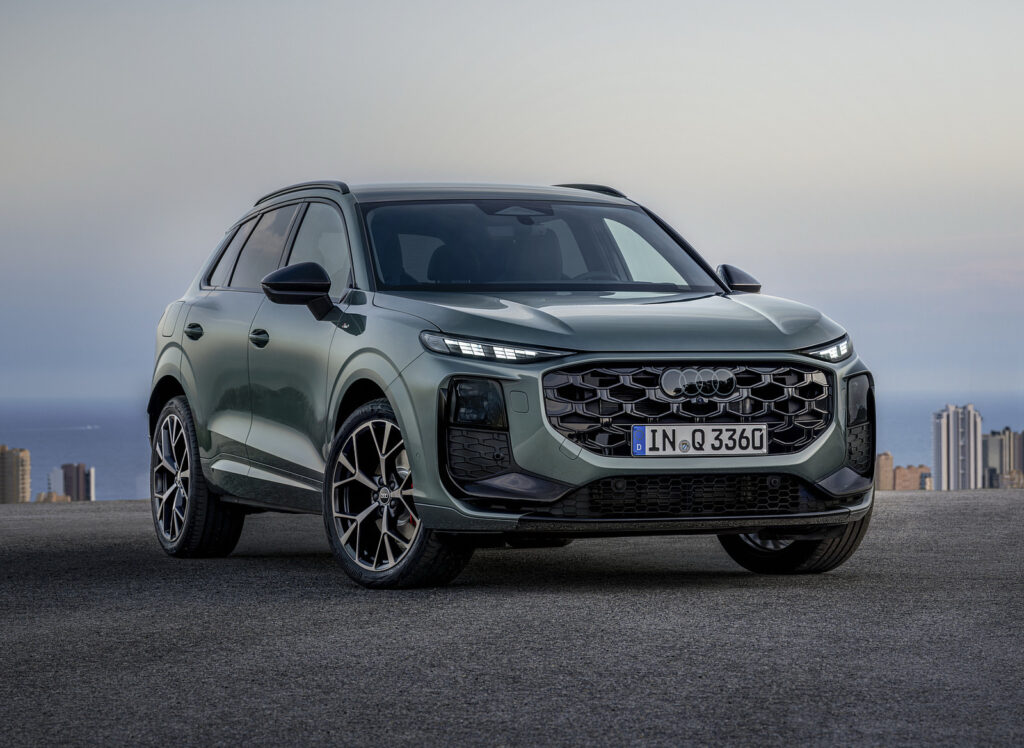
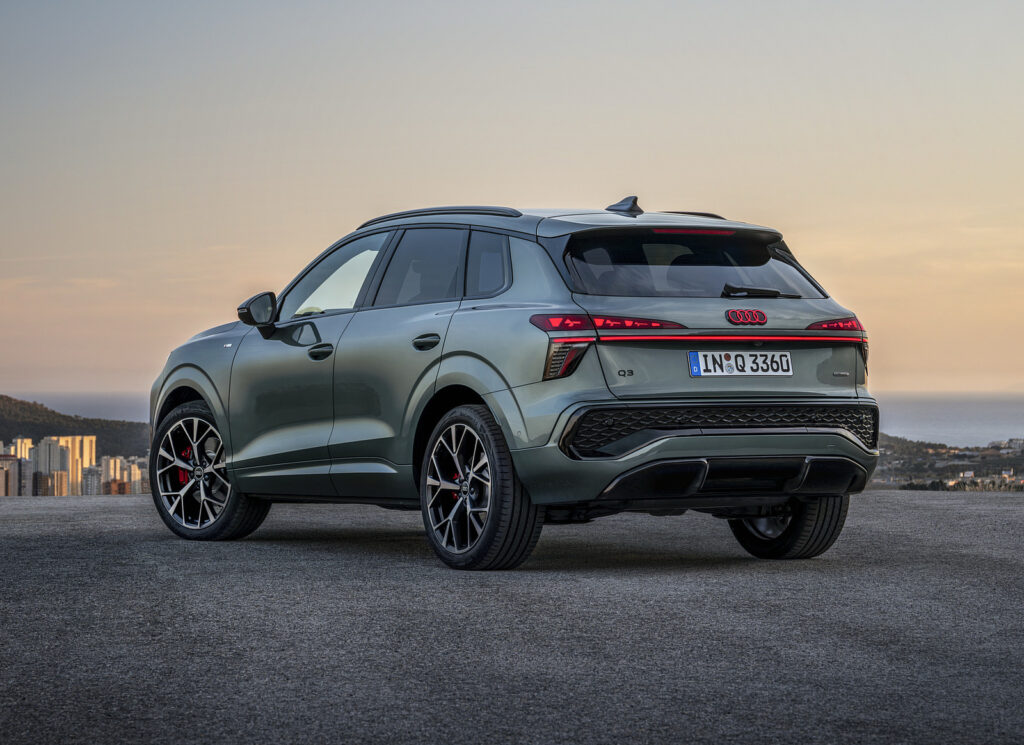
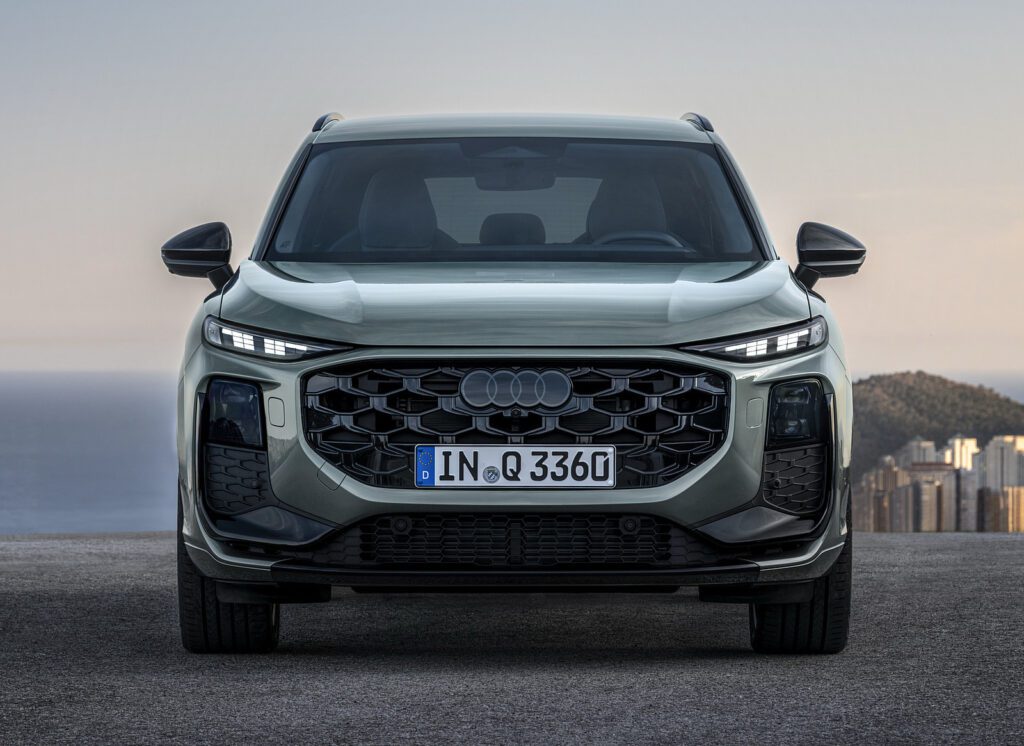
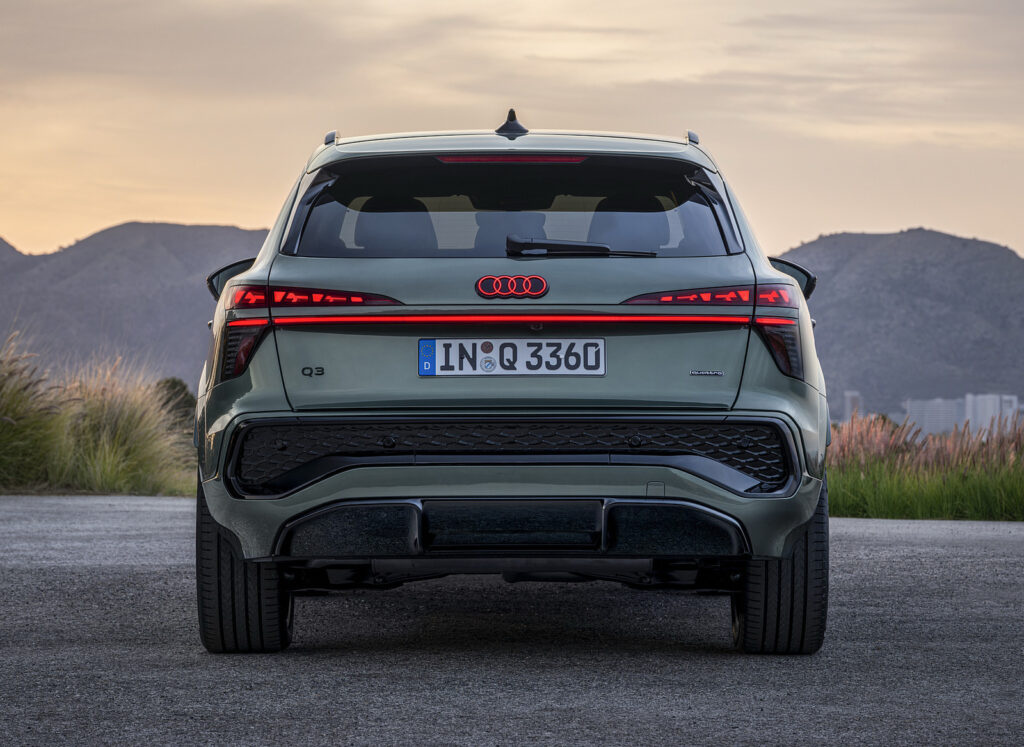
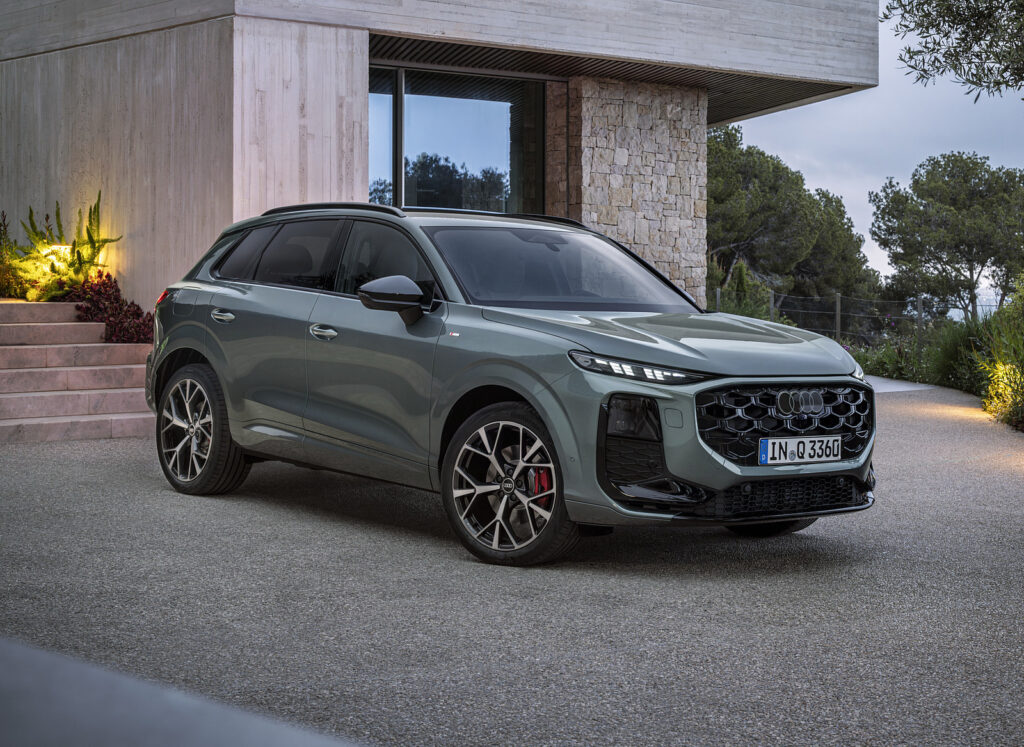
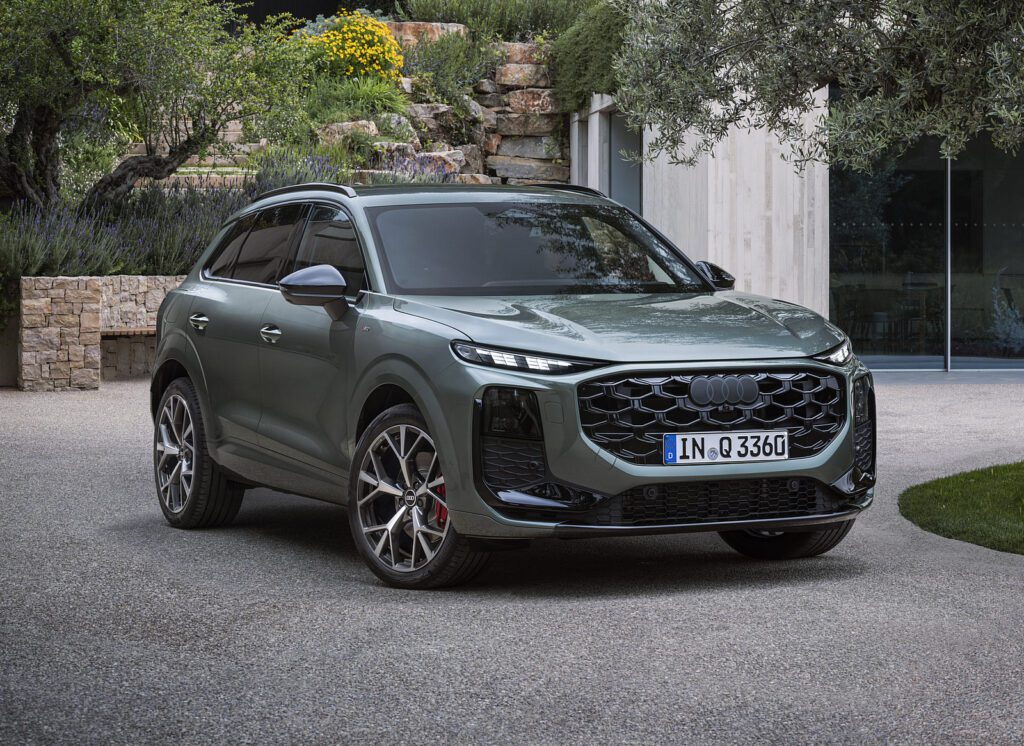
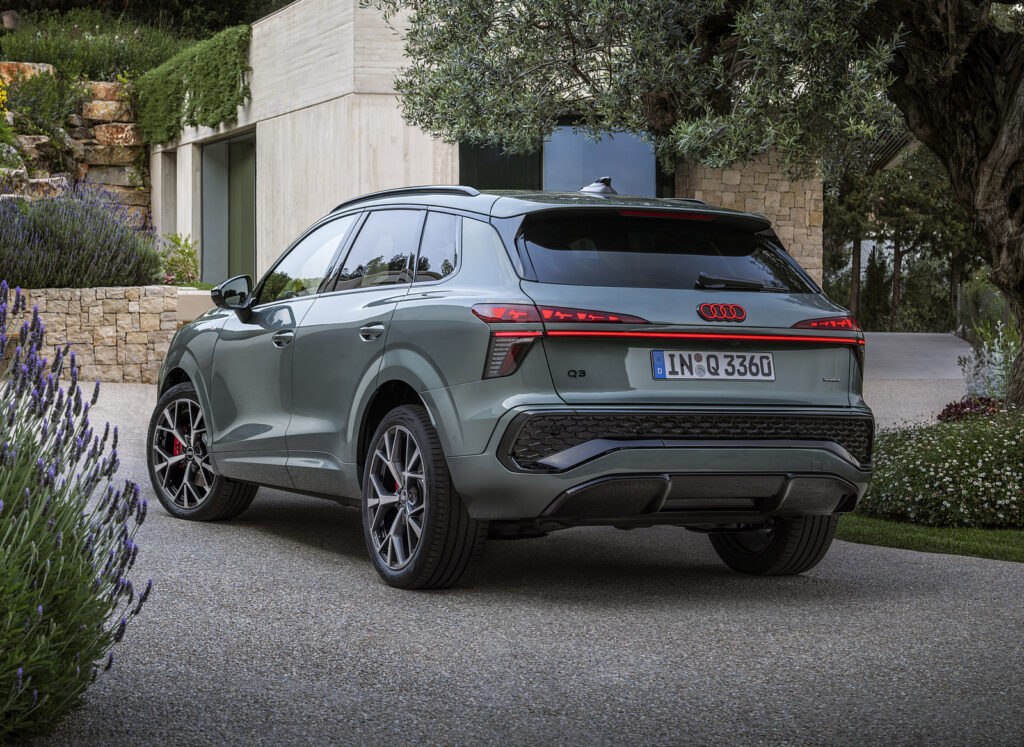
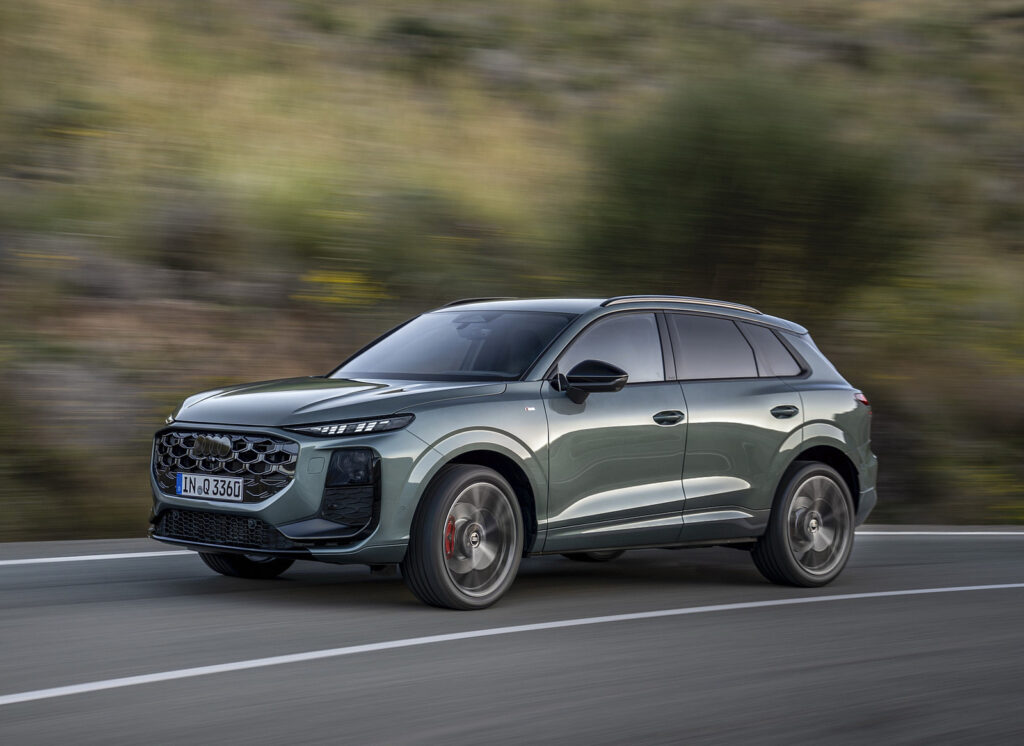
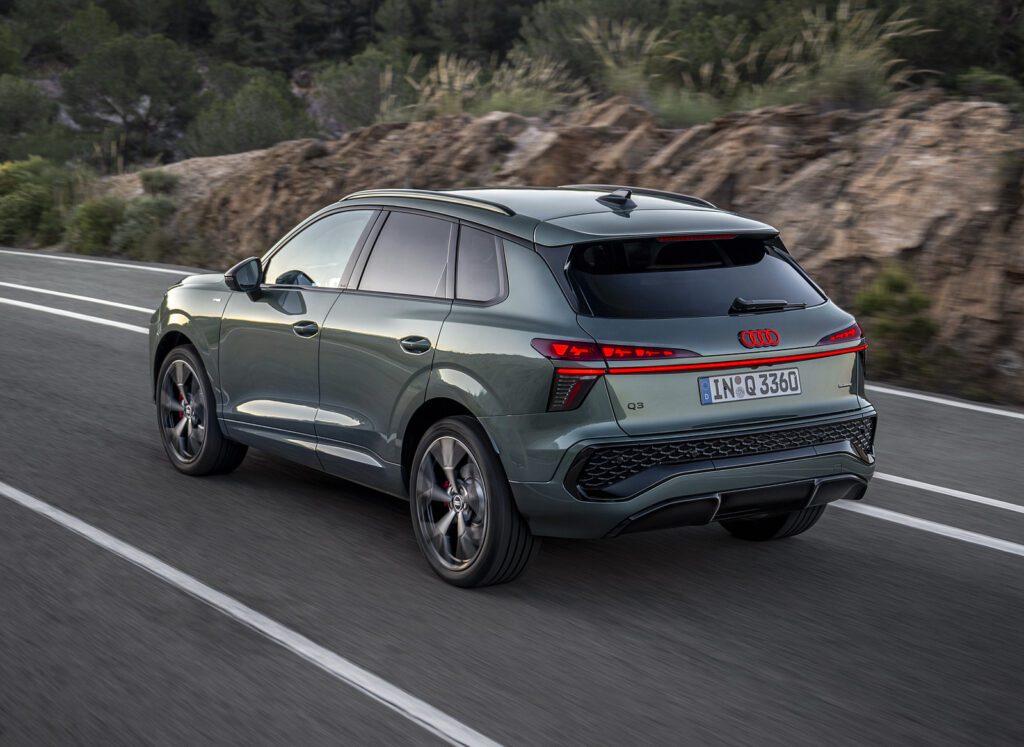
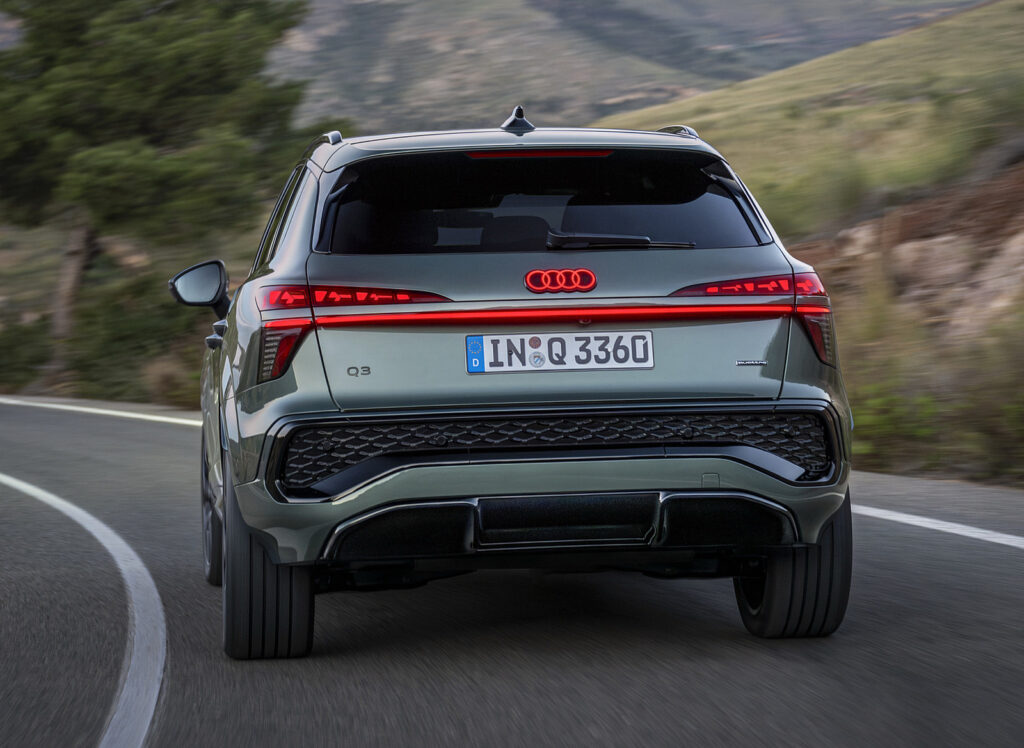
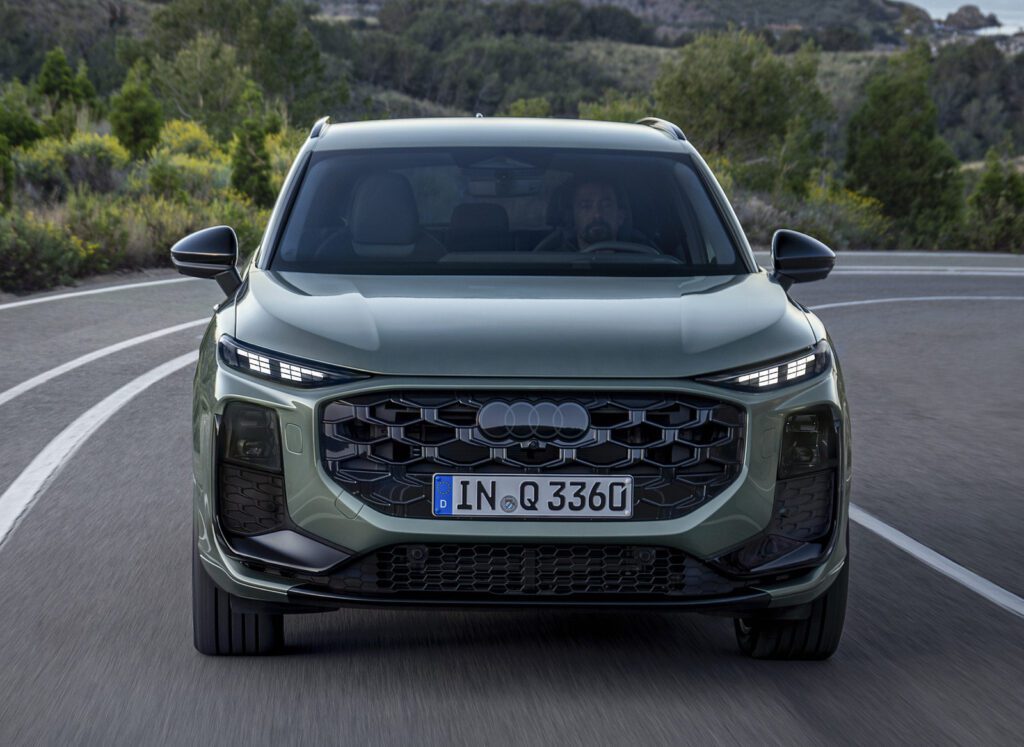
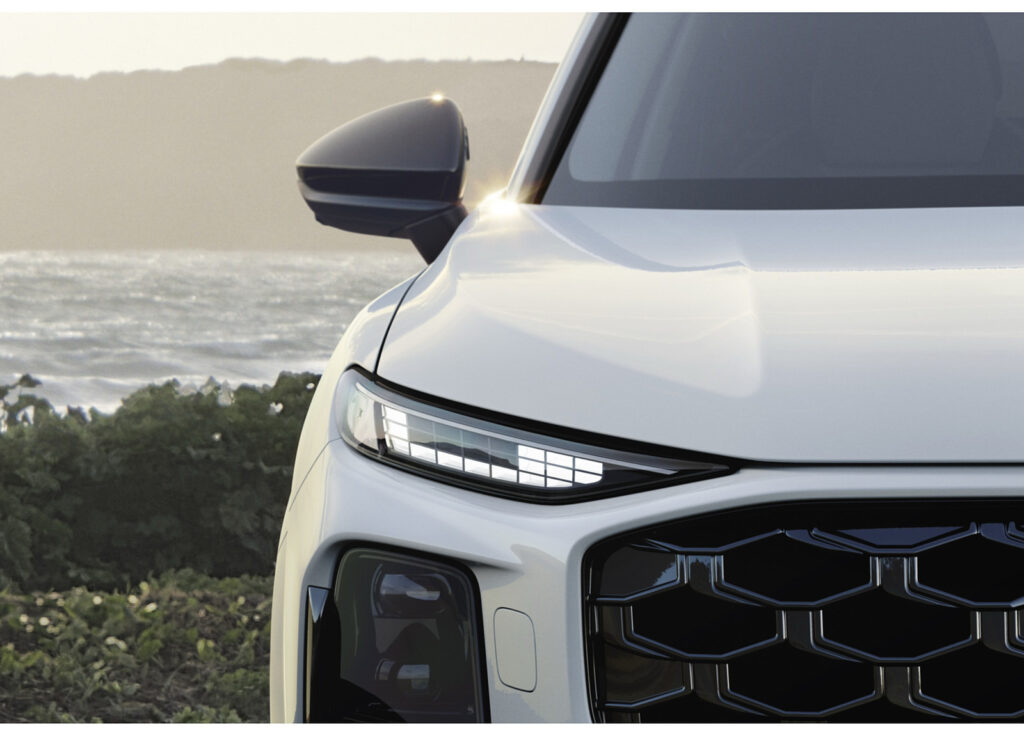
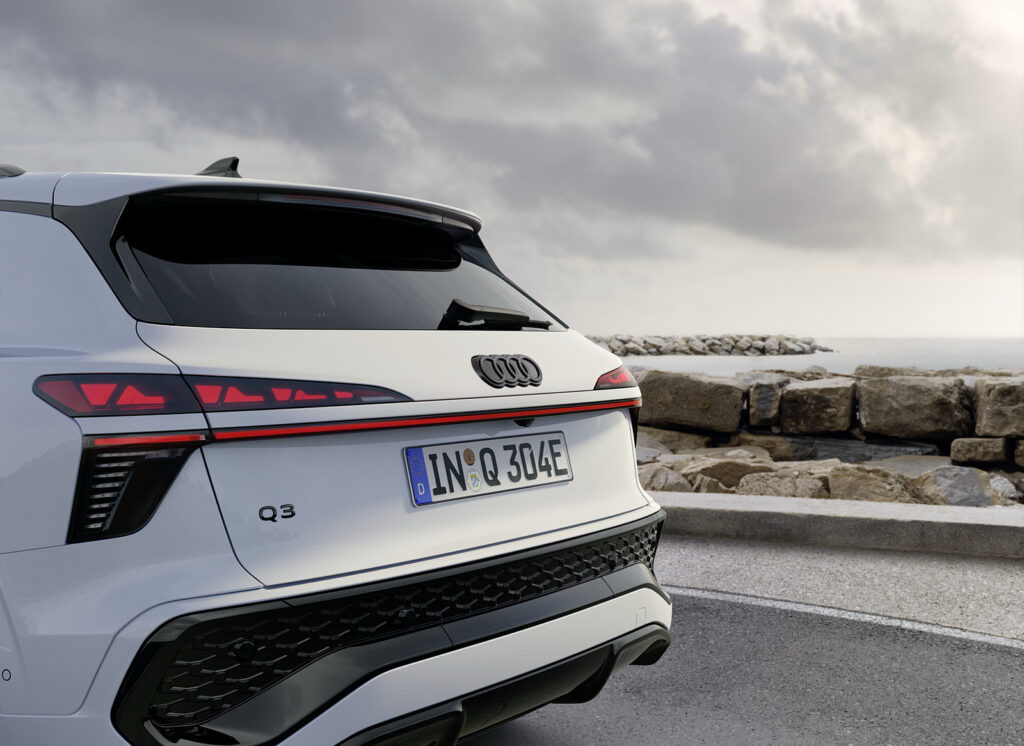
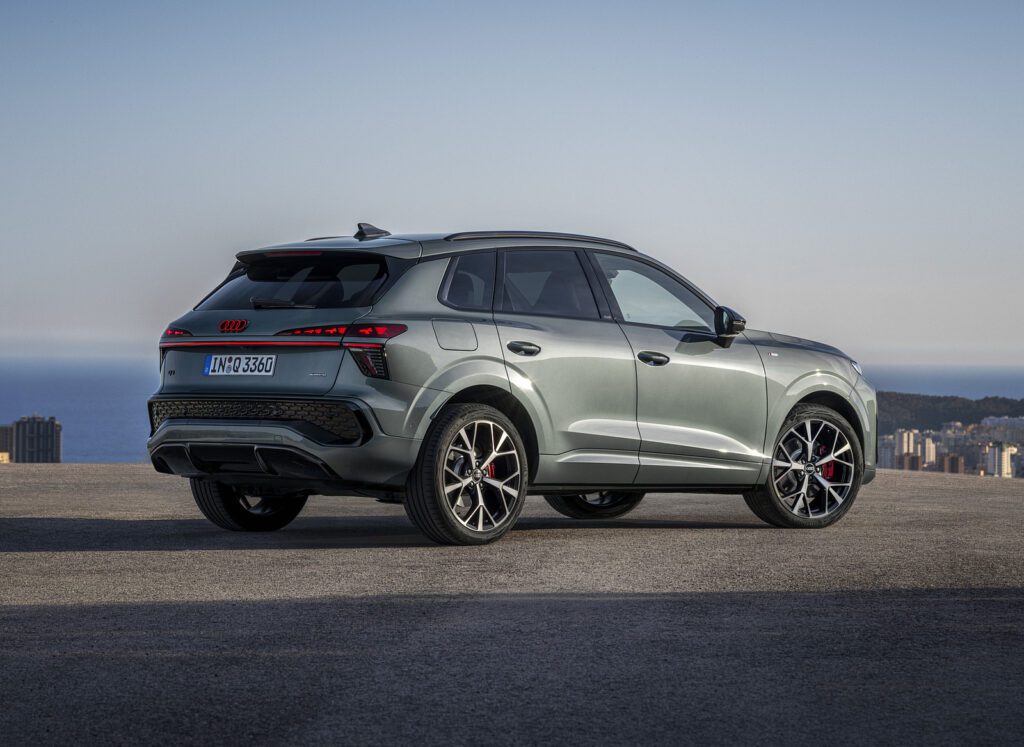
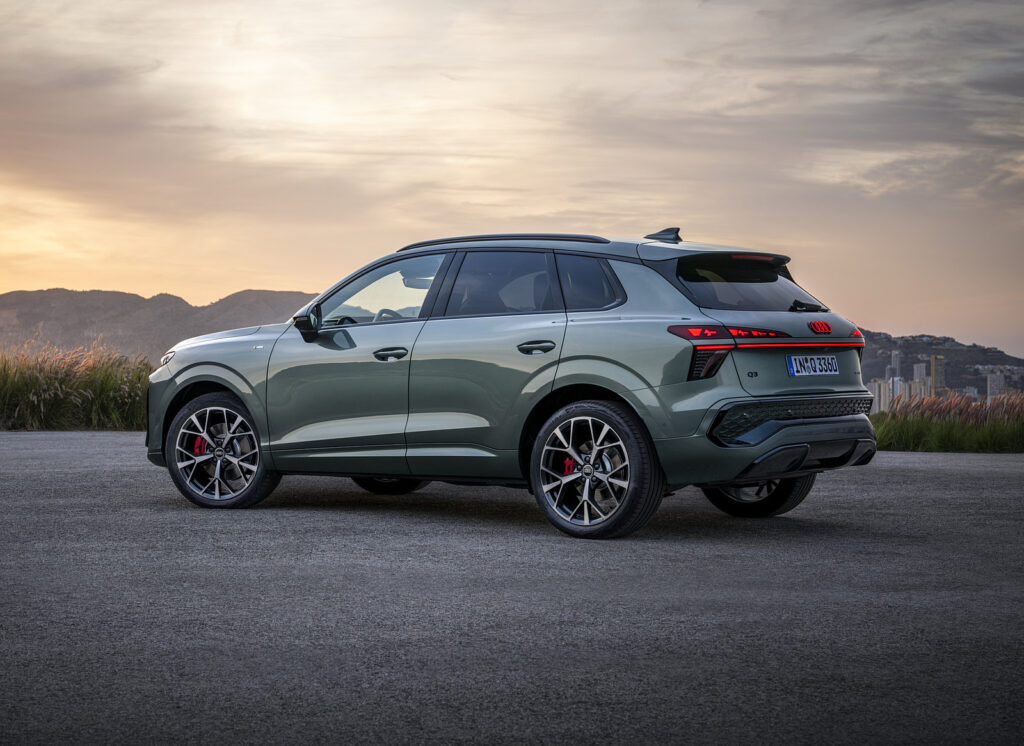
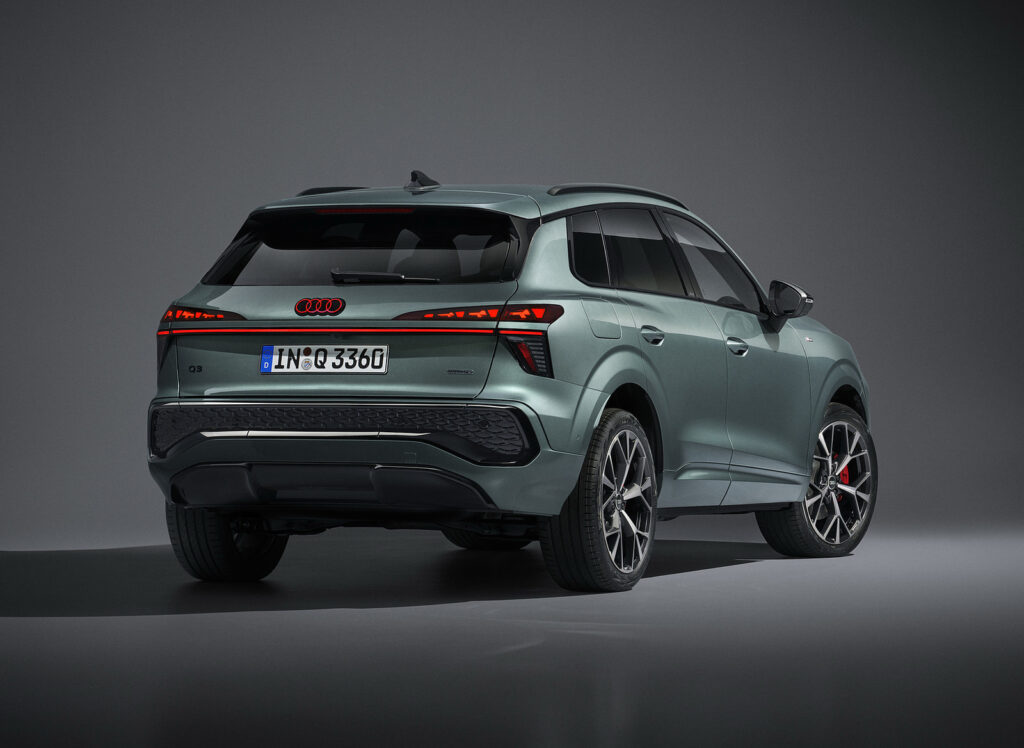
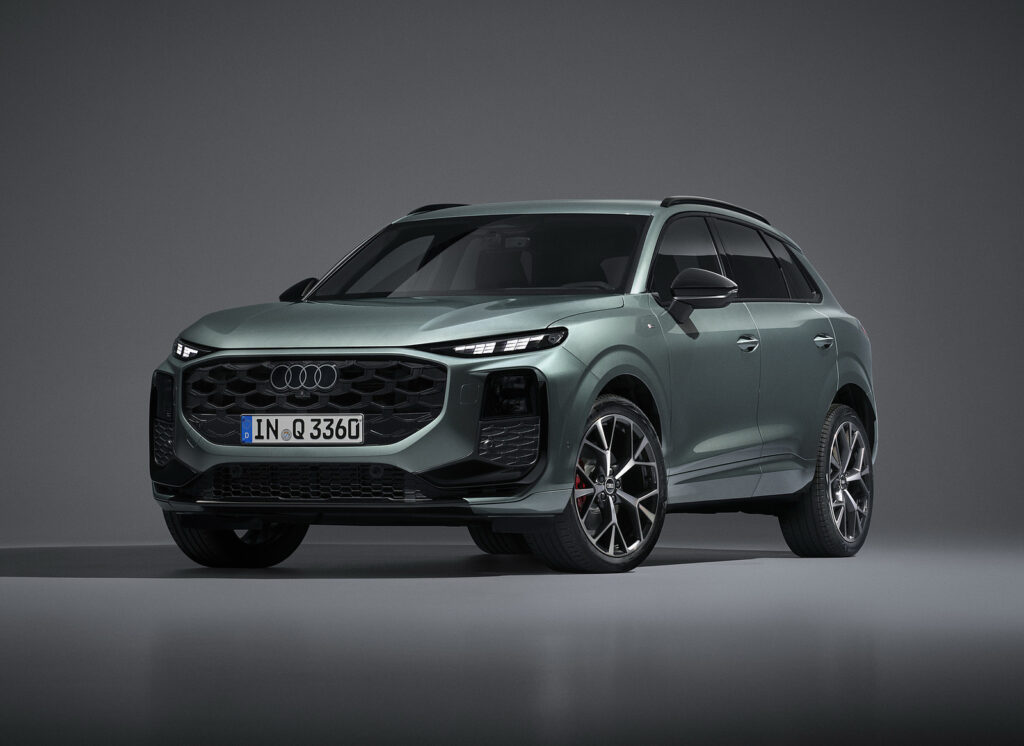
The 2026 Q3 keeps its compact proportions but tightens the design with cleaner surfaces and fewer busy lines. Up front, a wide, high-mounted grille sits between slimmer headlights, while subtle “quattro” blisters over the fenders add stance without exaggeration. A single shoulder line divides the profile, emphasizing light and shadow, and the rear is finished with a full-width light bar and a simple, tidy bumper. Aerodynamics improve to a 0.30 drag coefficient, thanks to a controlled-airflow panel behind the grille and neatly integrated sensors behind the Audi rings.
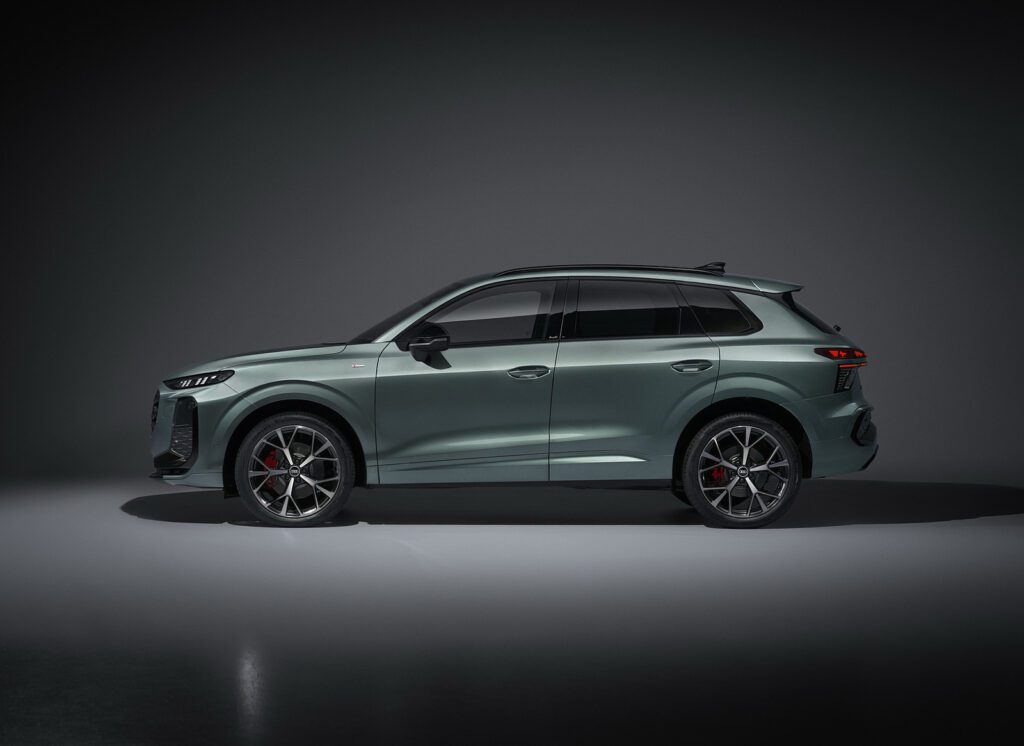
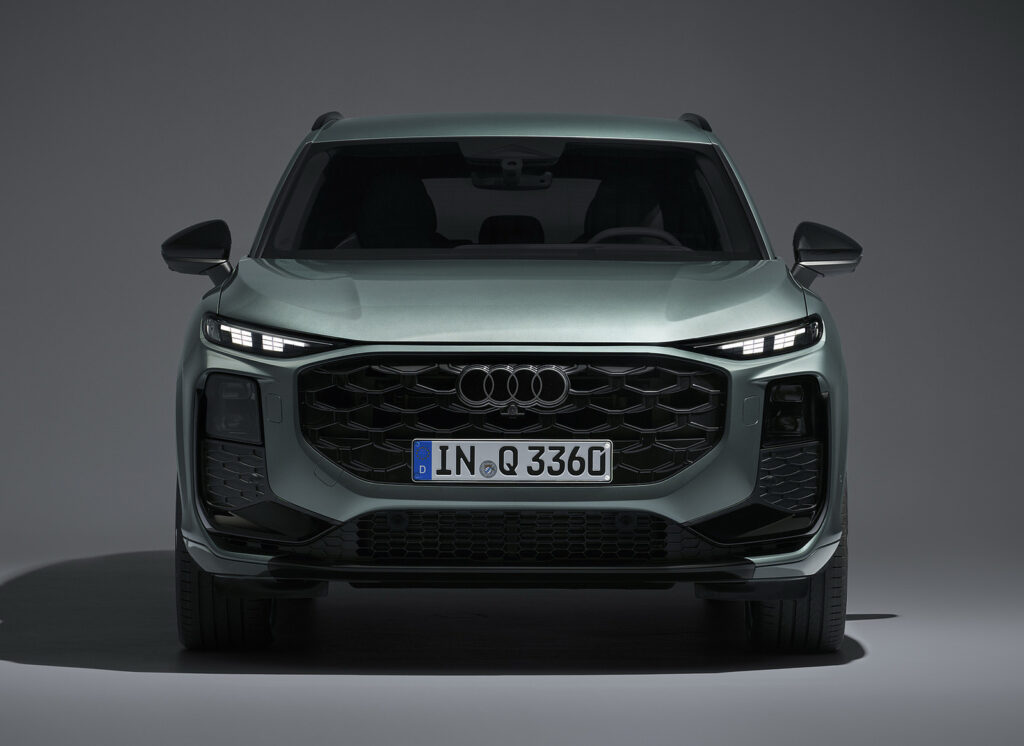
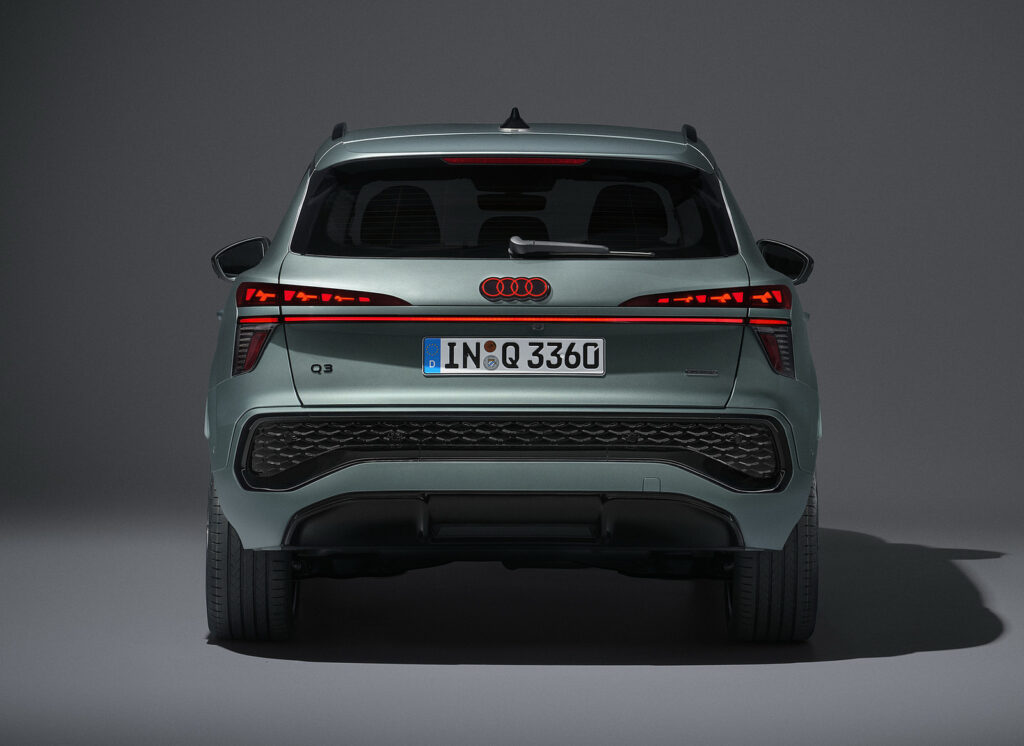
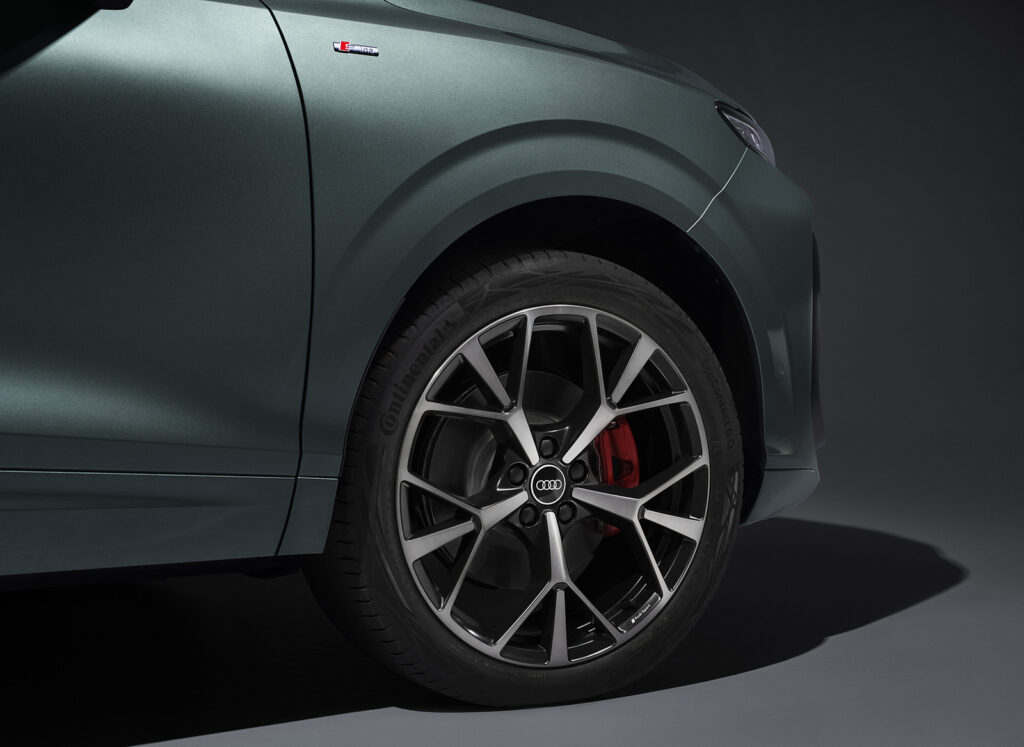
Wheel sizes now span 17 to 20 inches, including new Audi Sport designs, with wider 235-mm tires across the board. Eleven exterior colors are available worldwide, highlighted by new Sage Green and Madeira Brown—the latter offered in an exclusive matte finish. Buyers can also opt for black or selenite-silver exterior packages. And for those who prefer a sleeker silhouette, the Q3 Sportback variant continues—more on that separately.
Lighting that communicates
Lighting is one of the 2026 Audi Q3’s showpieces. The available digital Matrix LED headlights introduce a new micro-LED module with 25,600 emitters, delivering sharper contrast and better visibility in poor weather. These lights also work in sync with driver-assist systems: projecting lane guidance on the road, flashing a warning if you drift, and signaling blind-spot hazards when initiating a pass. In work zones, the beam narrows to keep you centered, while icy conditions trigger a projected snowflake icon at highway speeds.
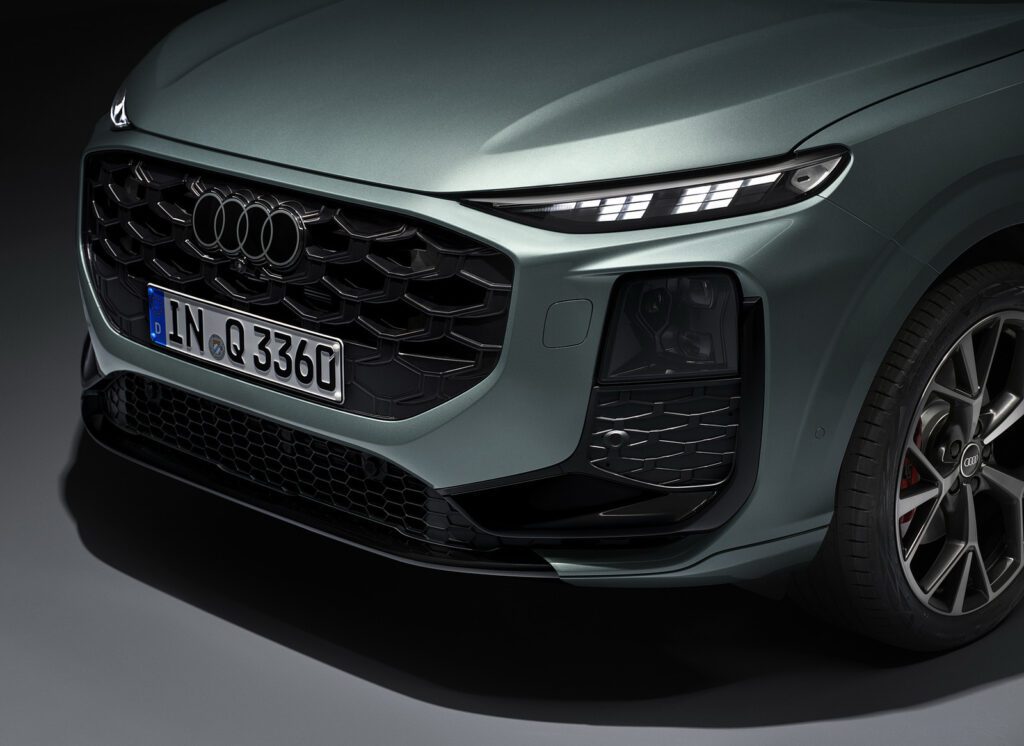
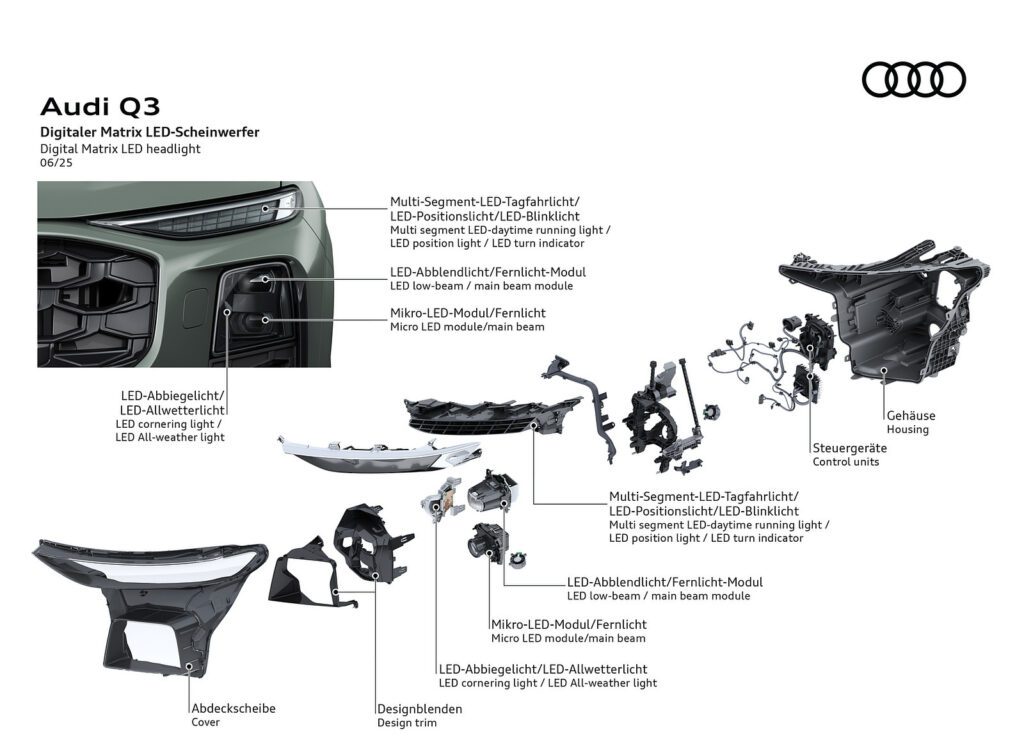
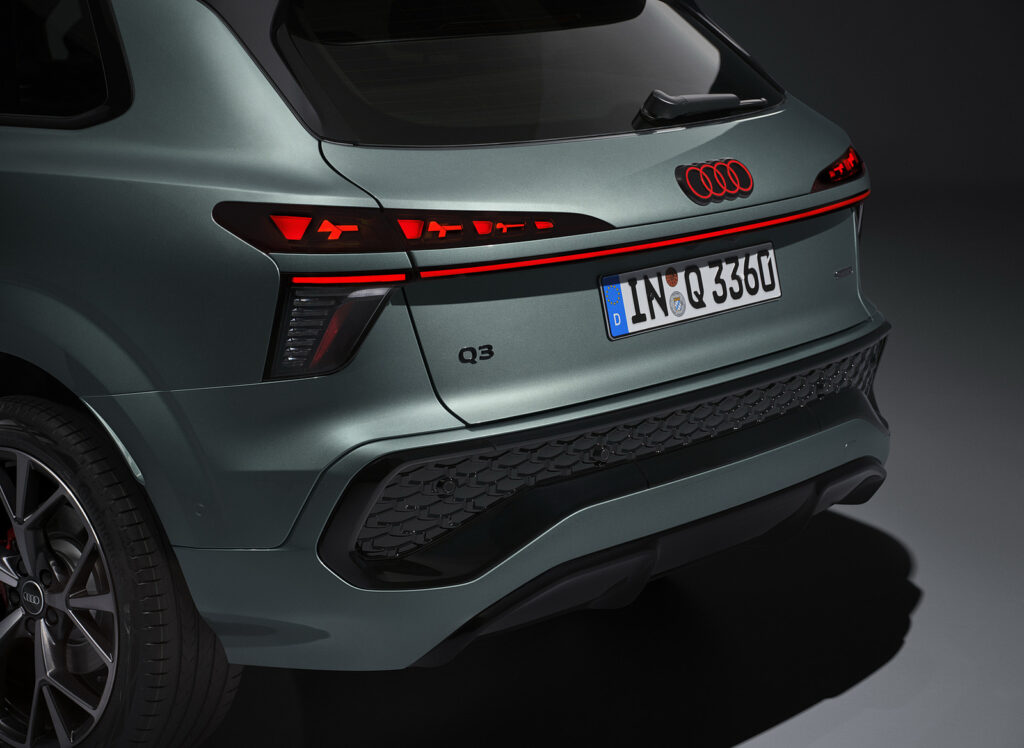
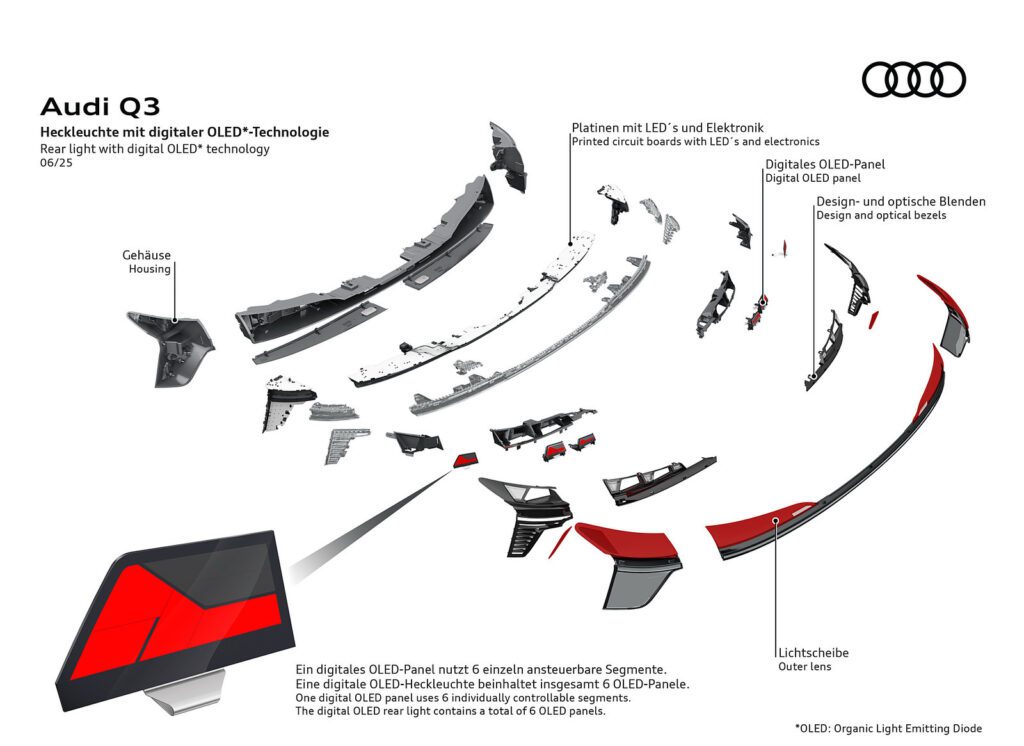
Drivers can personalize lighting with four front signatures and several rear patterns, and even toggle functions through the MMI. At the back, optional digital OLED tail lamps split 36 segments across six panels, while illuminated Audi rings glow whenever the low beams are active.
Cabin rethink trades the shifter for space
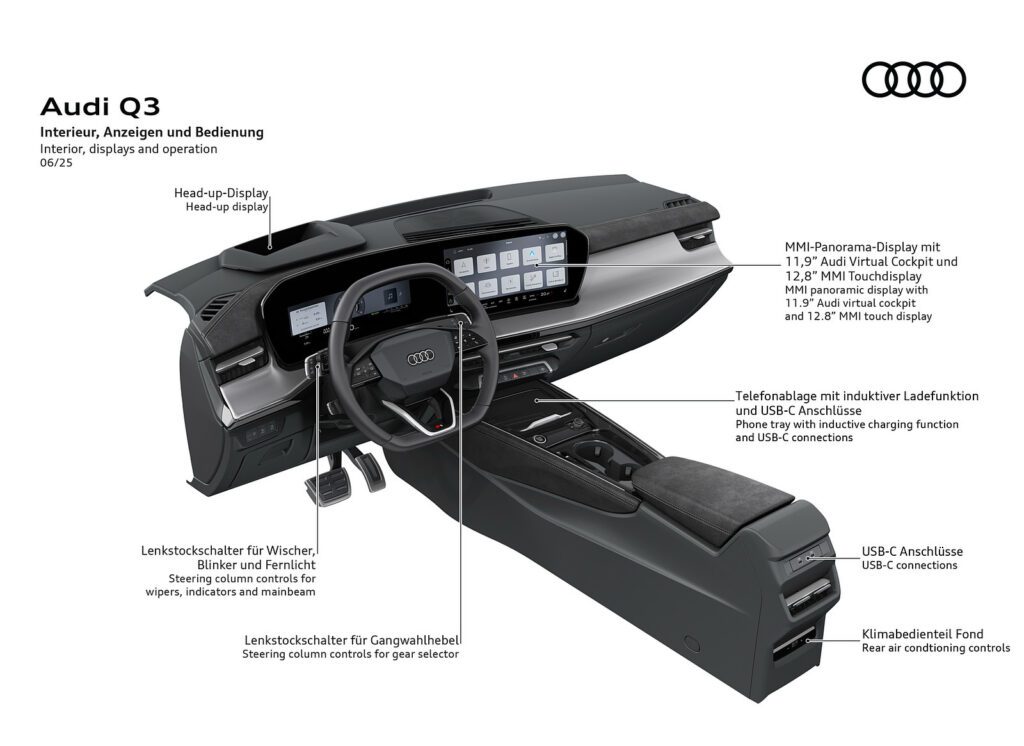
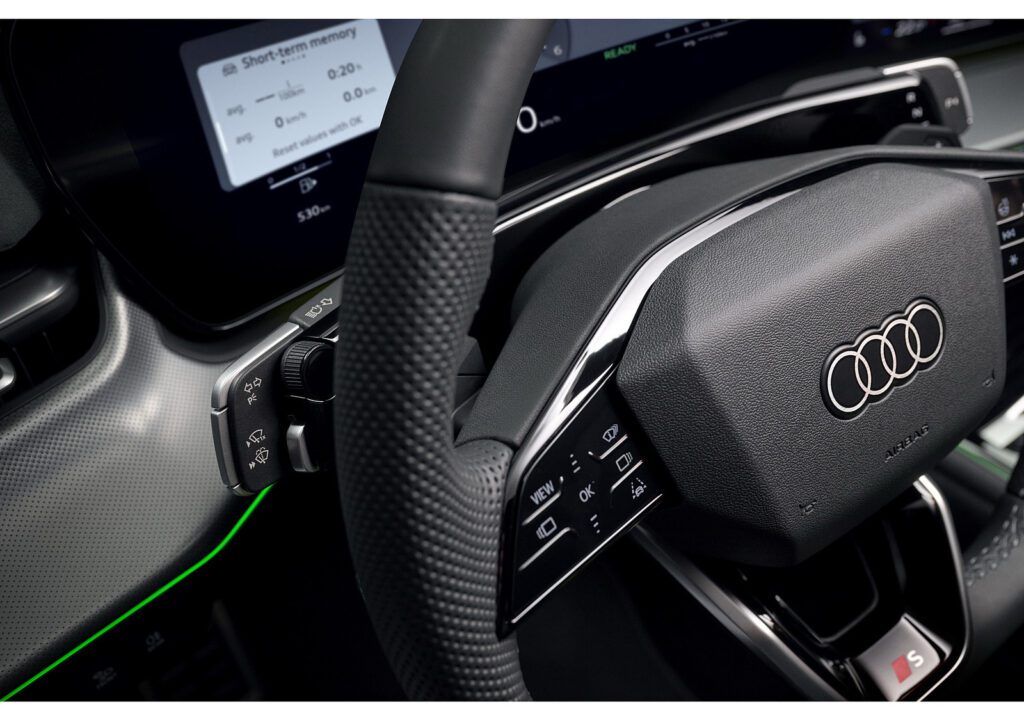
The 2026 Q3’s cabin pivots around what Audi calls a “digital stage”: an 11.9-inch driver display paired with a 12.8-inch MMI touchscreen, supported by an optional head-up display. A redesigned console finally offers meaningful storage, thanks to gear selection moving to a steering-column stalk on the right, with lights and wipers handled on the left. The result is more usable space—two proper cupholders, a covered 15-watt wireless charging pad with active cooling, and four USB-C ports split front and rear. Flush door handles and a decluttered layout give the interior a calmer feel.
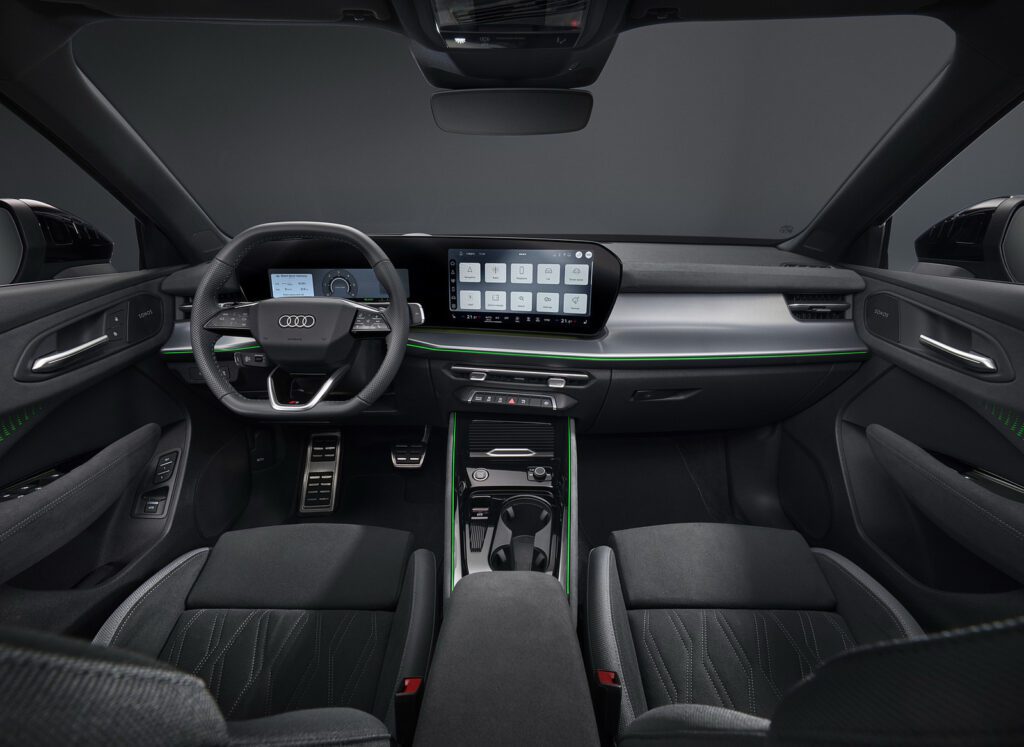
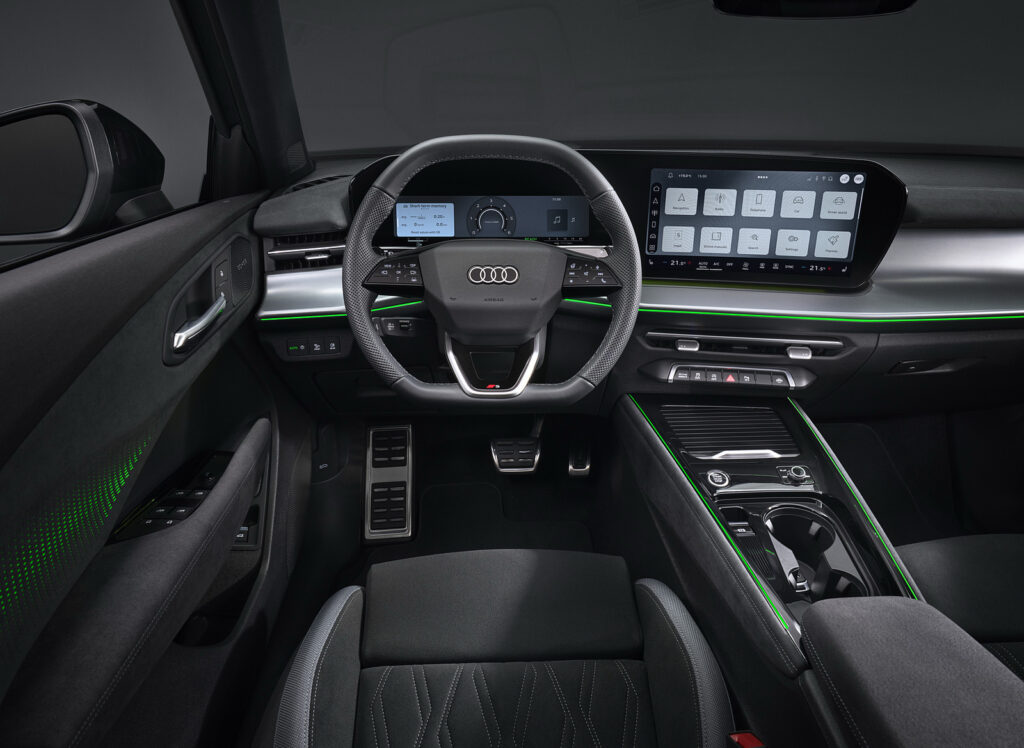
Personalization runs deep. Ambient lighting now offers 30 colors, and optional illuminated fabric inserts in the front doors use 300 precision laser cuts to create layered light patterns that animate when locking or unlocking. The available SONOS premium audio system delivers 12 speakers and 420 watts, with four sound profiles—neutral, concert, lounge, and podcast. Extra features like bass boost, automatic level balancing, and compressed-music “revitalization” can be unlocked later via Functions on Demand.
Sustainability also gets more attention: seat fabrics and trim options include recycled polyester, while the floor mats are crafted from Econyl nylon sourced from discarded fishing nets and carpet waste. For refinement, acoustic glazing on the front side windows—an Audi compact first—helps cut wind noise at speed.
Space and practicality remain core
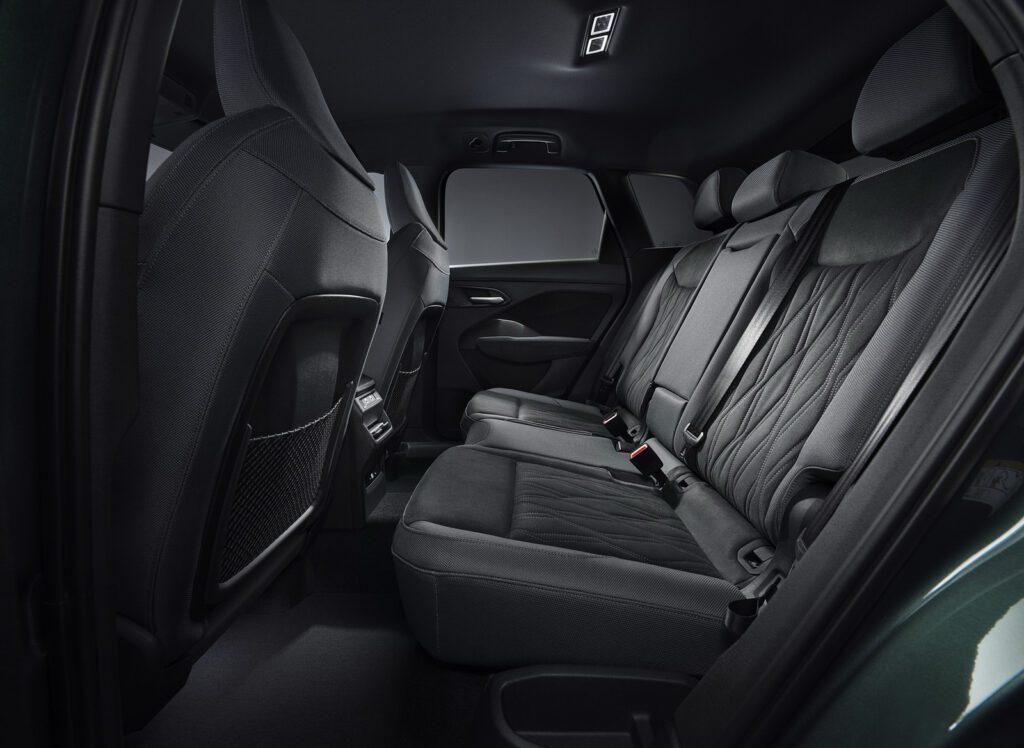
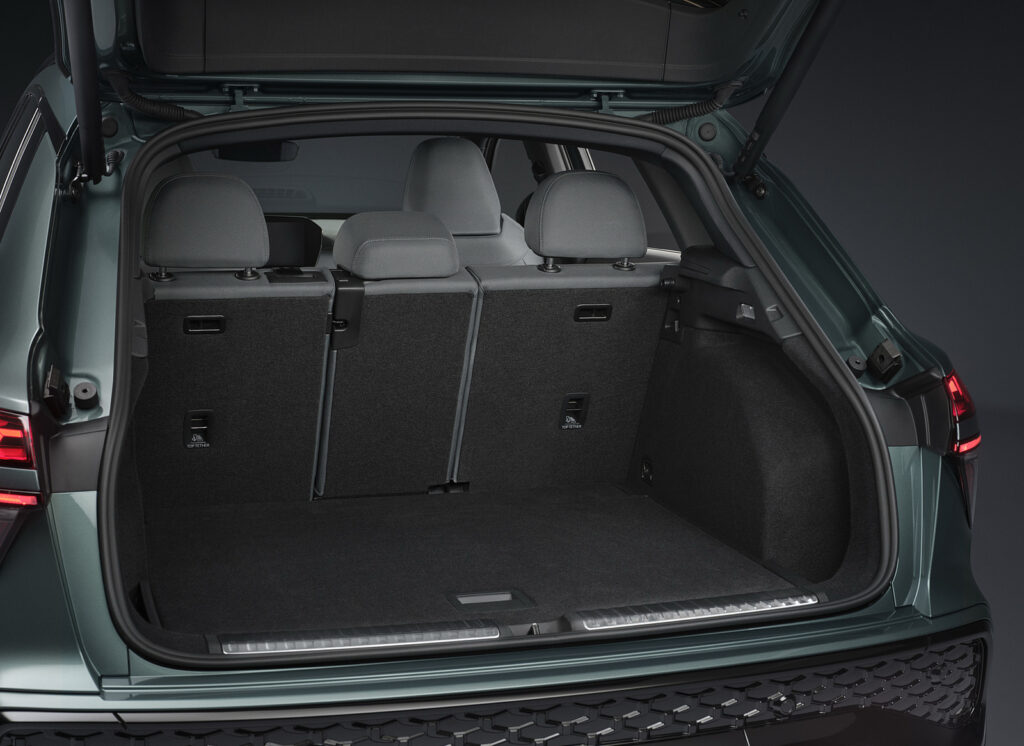
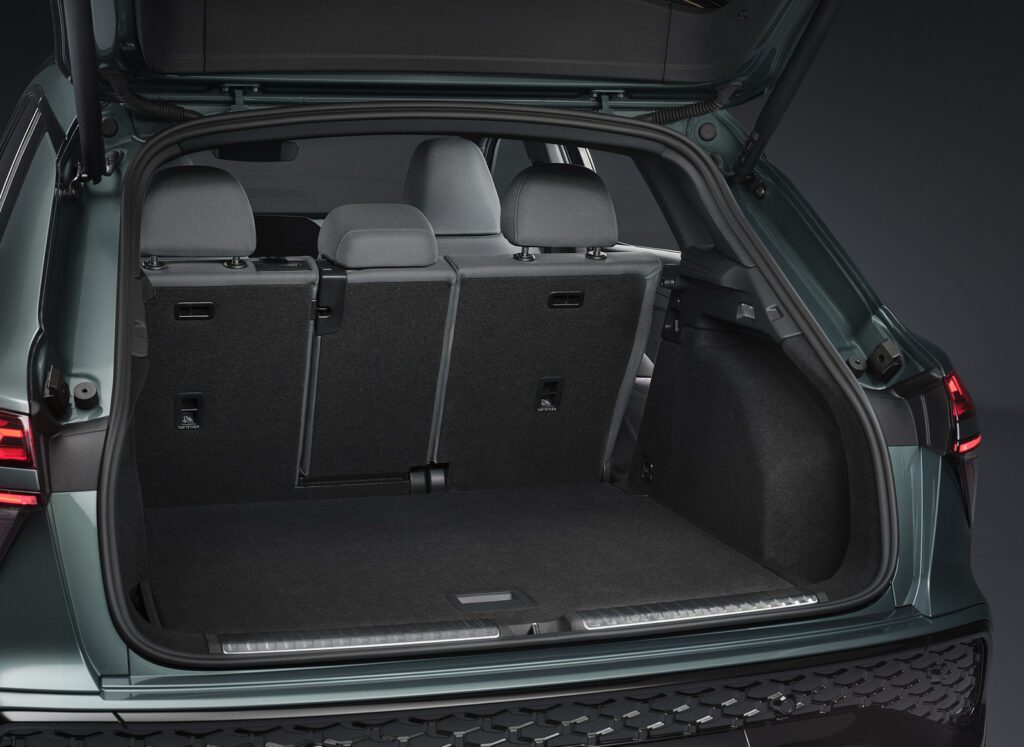
The 2026 Q3 provides 17.2 cubic feet of cargo space behind the rear seats, expanding to 48.9 cubic feet when the bench is folded flat. A sliding and reclining rear seat comes standard, adding flexibility for passengers or luggage. Towing capacity reaches 4,630 pounds with a 198-pound tongue weight—impressive numbers for a compact luxury SUV. Practical touches remain, including a low load floor and simple seat-release mechanisms.
Powertrains: from mild‑hybrid to a stronger plug‑in
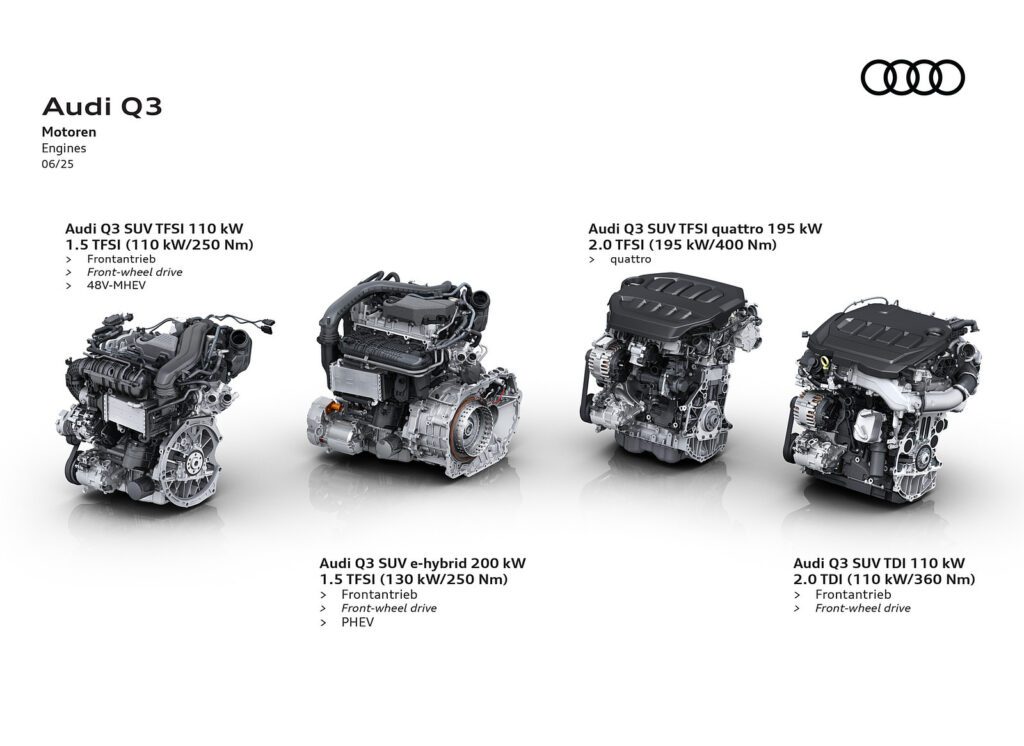
The 2026 Q3 broadens its global powertrain lineup, with final U.S. specs to be announced closer to launch. Here’s the current breakdown:
- 1.5-liter turbo mild-hybrid (FWD, 7-speed dual-clutch): 150 PS (148 hp), 250 Nm (184 lb-ft), 0–62 mph in 9.1 seconds, top speed 130 mph. Features cylinder deactivation to improve efficiency.
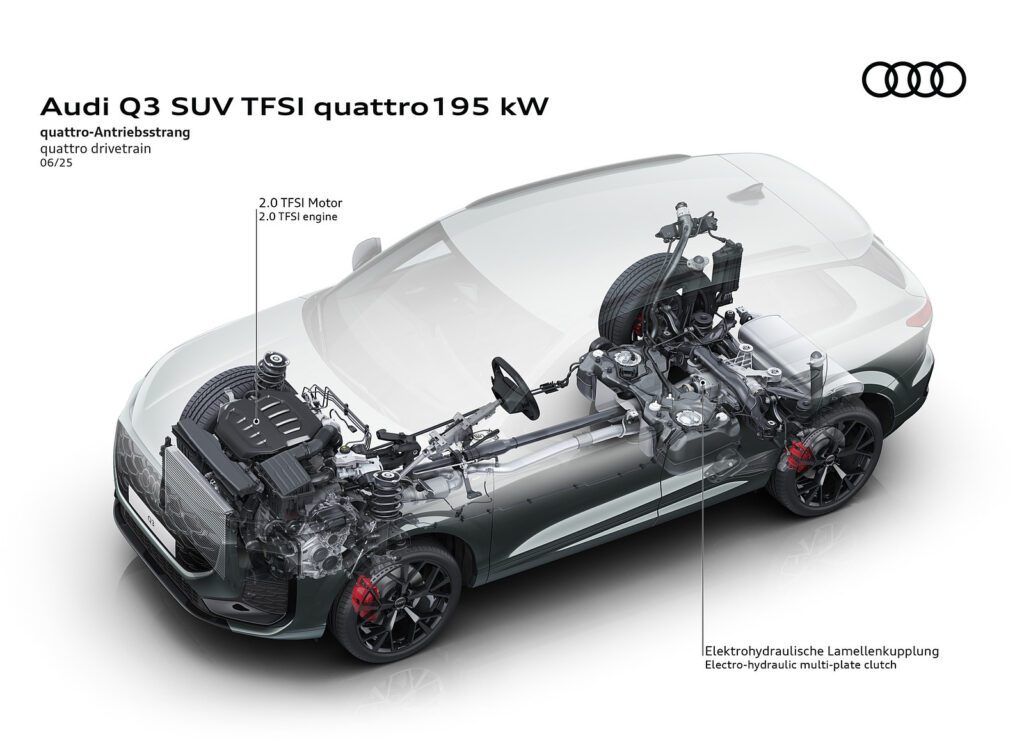
- 2.0-liter turbo gas quattro: 204 PS (201 hp), 320 Nm (236 lb-ft), 0–62 mph in 7.1 seconds, 142 mph top speed.
- 2.0-liter turbo gas quattro: 265 PS (261 hp), 400 Nm (295 lb-ft), 0–62 mph in 5.7 seconds, 149 mph (electronically limited).
- 2.0-liter TDI (diesel, FWD, 7-speed dual-clutch): 150 PS (148 hp), 360 Nm (266 lb-ft), 0–62 mph in 9.2 seconds, 129 mph. (Unlikely for the U.S. market.)
- Q3 e-hybrid plug-in: Combines a 1.5-liter turbo (177 PS/130 kW) with an electric motor for 272 PS (268 hp) and 400 Nm (295 lb-ft). 0–62 mph in 6.8 seconds, 134 mph top speed.
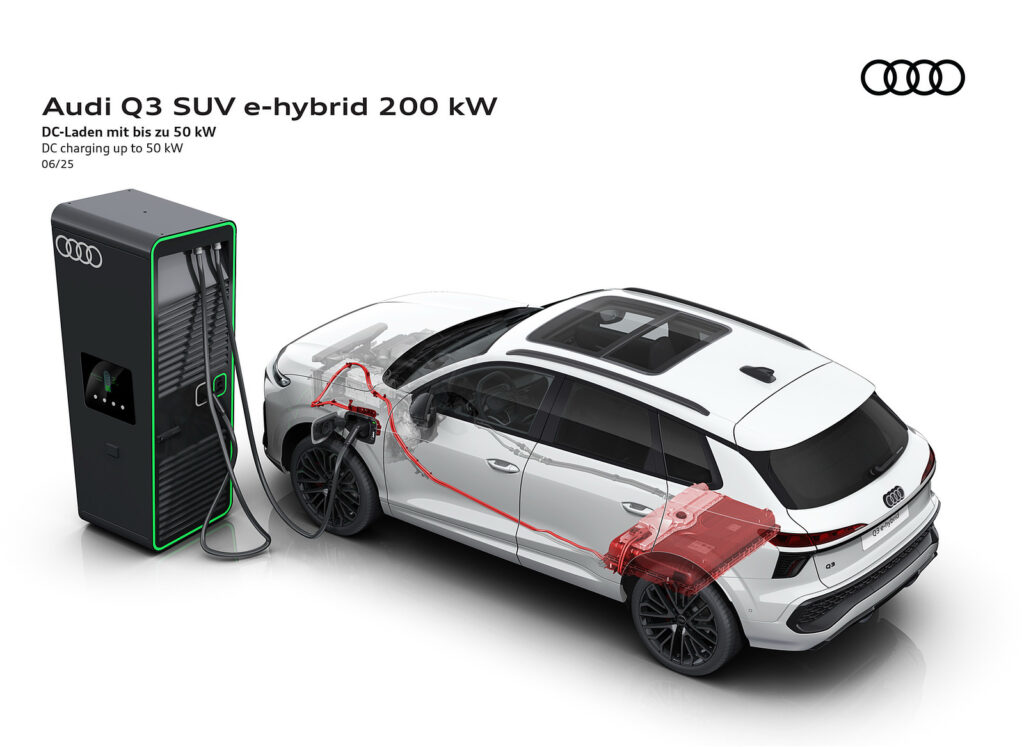
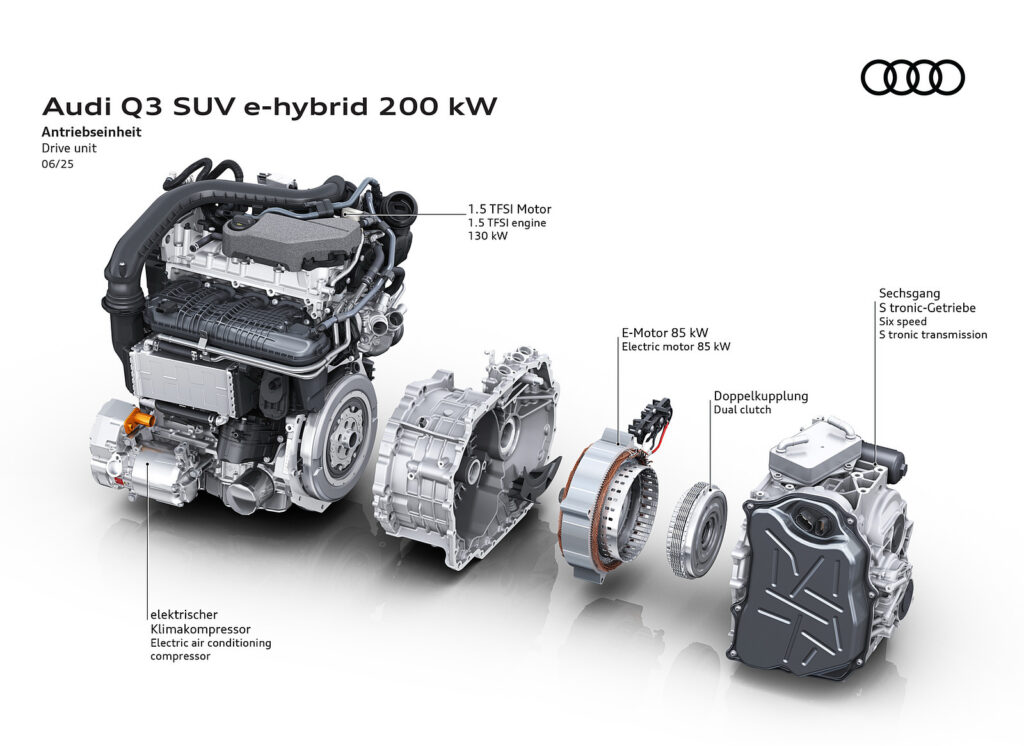
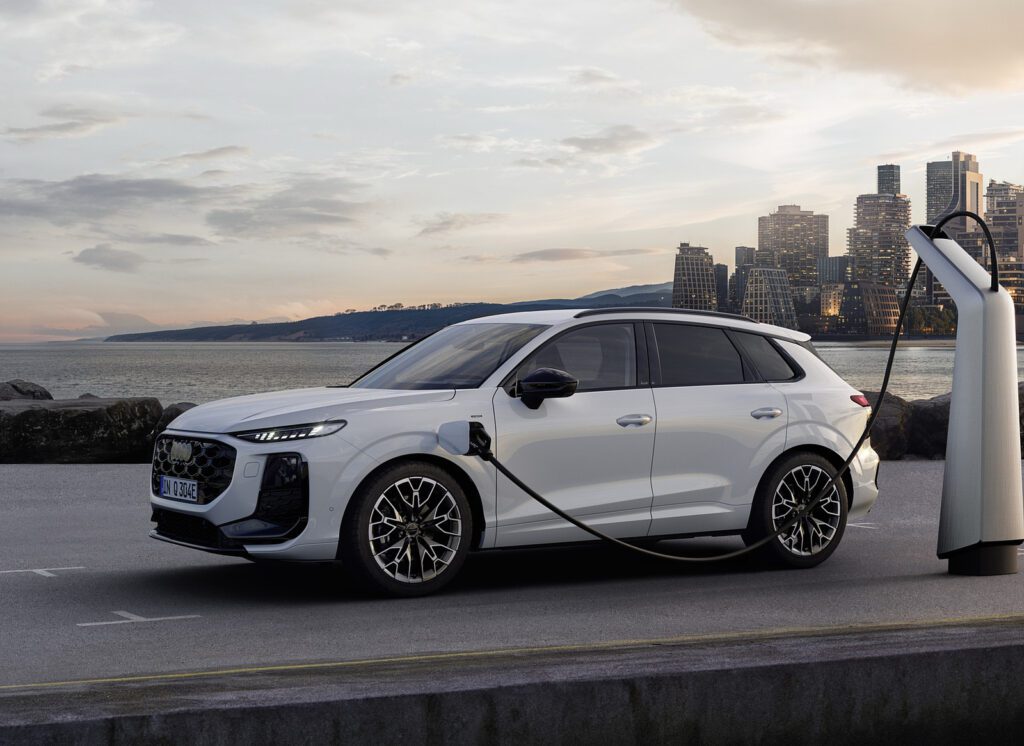
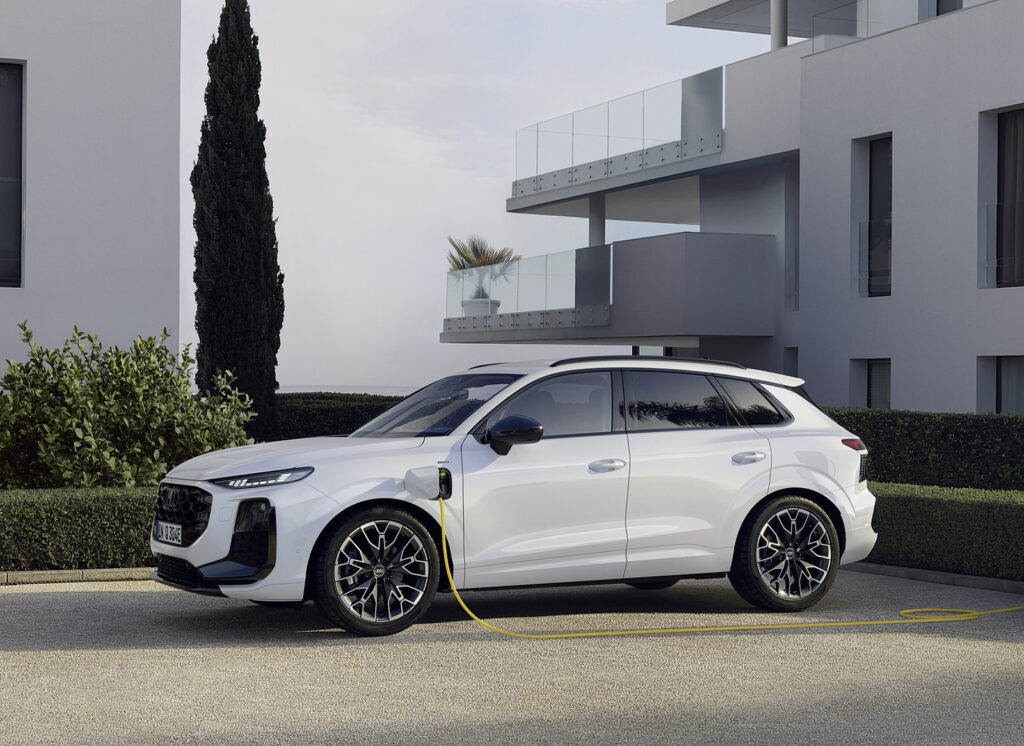
The plug-in hybrid is the big leap forward. Its 25.7-kWh gross (19.7-kWh usable) battery nearly doubles capacity versus the outgoing model, enabling up to 119 km (74 miles) of WLTP-rated electric range. EPA numbers will be lower, but DC fast-charging at up to 50 kW—rare among PHEVs—can replenish 10 to 80 percent in under 30 minutes, making it far more practical for longer trips.
Suspension, steering, and drive modes
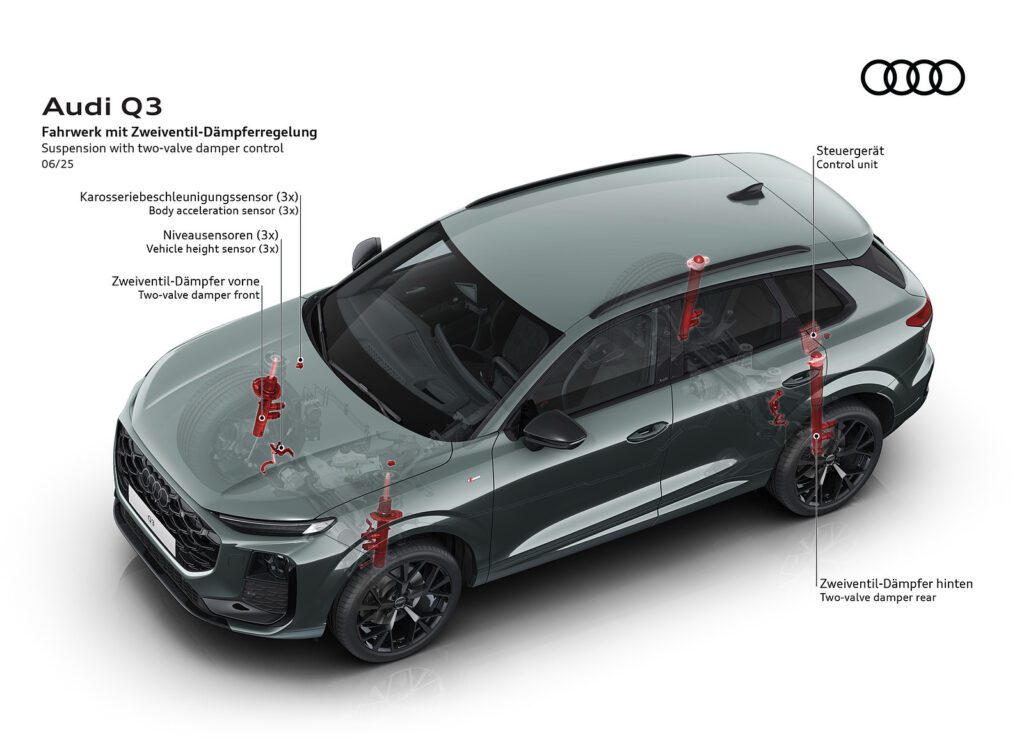
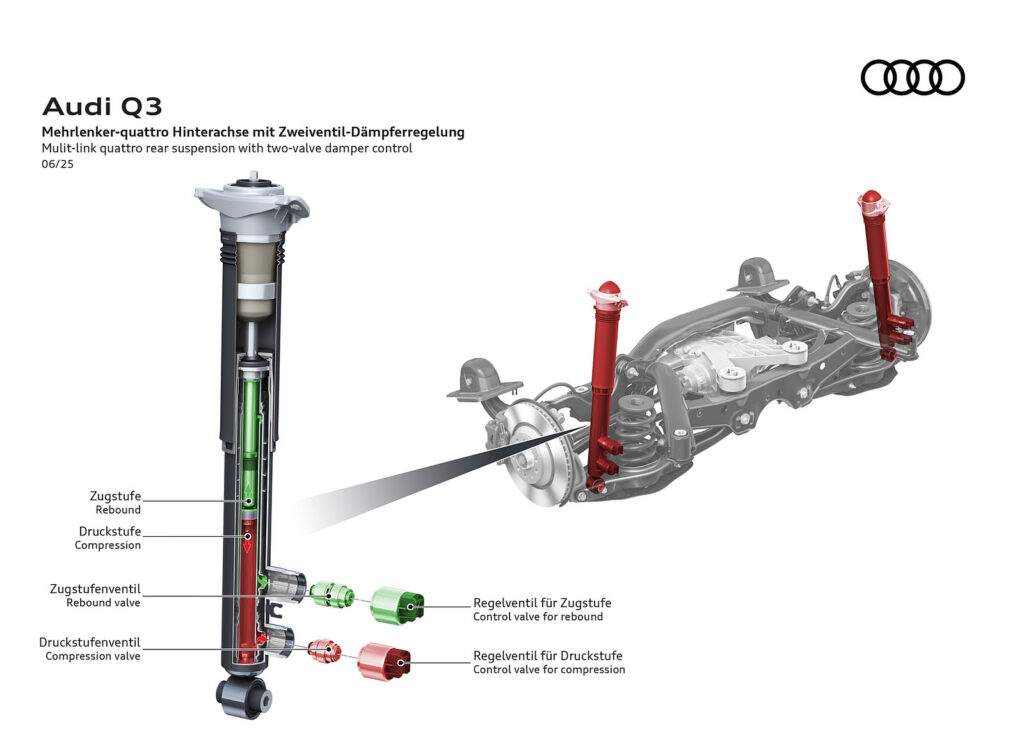
Beneath the surface, the 2026 Q3 benefits from a more sophisticated chassis setup. Standard steel springs are retuned for better control, while a sport suspension option adds firmness. The most advanced choice is a two-valve adaptive damper system that separates rebound and compression, broadening the gap between comfort and handling precision. Progressive steering has also been reworked: it’s steadier on-center yet quickens near full lock for easier low-speed maneuvering, with reduced internal friction to improve feel.
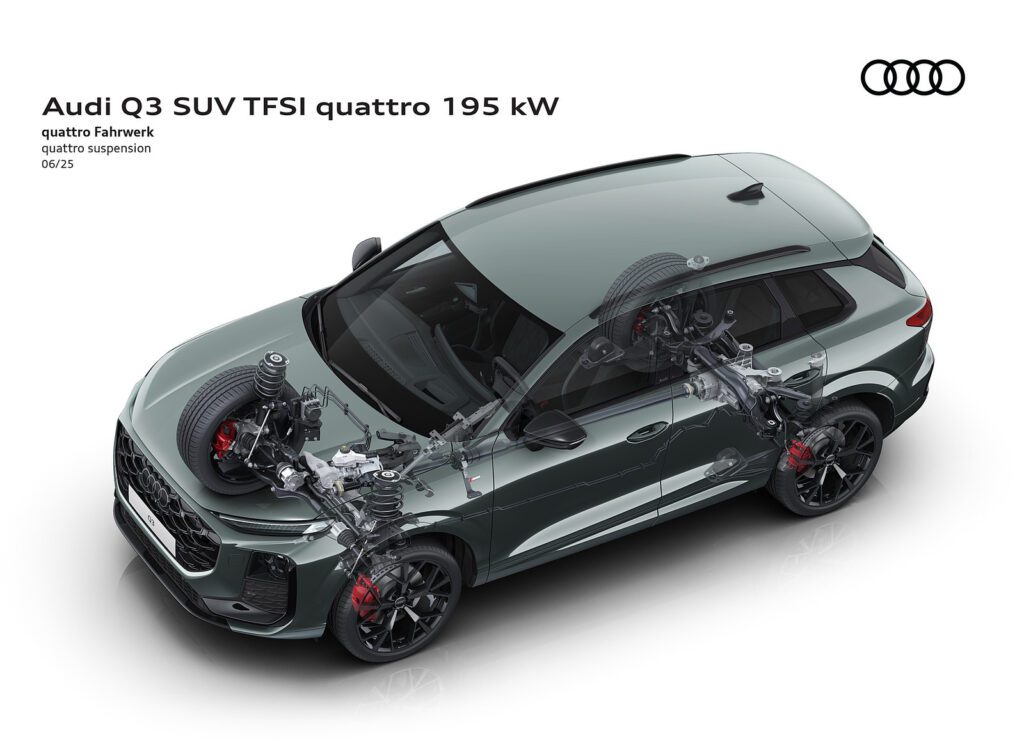
Audi’s Drive Select now defaults to a new “Balanced” mode designed for everyday usability. Quattro models add an “Offroad plus” profile, which can even be set as the start-up mode for drivers who venture beyond pavement. At its core the Q3 remains an urban-friendly crossover, but with more capability dialed in for varied conditions.
Driver assistance grows more capable—and more connected
At launch, the 2026 Q3 comes well equipped with driver-assist features. Standard kit includes Parking System Plus with distance display, cruise control with speed limiter and adaptive-cruise prep, lane-departure warning with corrective assist, front cross-traffic assist, emergency braking with turning and evasive support, traffic-sign recognition, and a driver-attention monitor that uses an interior camera.
Step up to the optional Adaptive Driving Assistant Plus, and the Q3 can handle acceleration, braking, and lane guidance at speeds up to 130.5 mph, with lane-change assistance above 56 mph. Thanks to online map data, it can even maintain lane position when road markings fade. Connected features are complimentary for three years, after which they switch to a subscription. A full emergency-assist function is also available, capable of guiding the Q3 safely to the shoulder and stopping if the driver becomes unresponsive—hazards flashing automatically.
Parking tech gets a boost as well. Trained Parking allows the Q3 to memorize up to five complex maneuvers (164 feet each) and repeat them under supervision. A reverse-assist system can retrace the last 164 feet at speeds below 22 mph, while a four-camera surround view supplies multiple perspectives to help preserve those freshly chosen wheels.
Infotainment runs Android Automotive with an AI assistant
The 2026 Q3 transitions to Android Automotive OS, which means the Audi Application Store is built directly into the vehicle. Streaming apps like YouTube run natively, no phone required. A smarter, learning voice assistant—visualized as an on-screen avatar—can handle natural speech commands for settings and functions, with prompts appearing in both the instrument cluster and, when equipped, the head-up display. It’s polished tech, though buyers who prefer a simpler interface may find the app-store integration a bit much. The upside: core controls remain logically placed, and system response is impressively quick.
Cargo, noise, and comfort details that matter
Everyday usability hasn’t been overlooked. The rear bench slides and reclines as standard, while a low load floor makes lifting heavy items easier. For the first time in Audi’s compact class, buyers can also opt for front side acoustic glass with a PVB film layer, which noticeably cuts wind noise at highway speeds.
Pricing and availability
European order books are already open, with the new Audi Q3 arriving in October. In Germany, pricing starts at €44,600 for the 110-kW TFSI, while the Q3 SUV e-hybrid 200 kW begins at €49,300. U.S. details—including trims and pricing—will be announced closer to launch, but expect a pared-down engine lineup and no diesel offering.
Where it’s built
Production of the new Q3 is shared between Audi’s Győr, Hungary facility and its Ingolstadt, Germany plant. Győr handles body stamping, while painting and final assembly are split, with part of the volume completed in Germany to balance demand across the network.
The compact Audi that aims higher
The 2026 Audi Q3 doesn’t reinvent the formula, but it advances it in ways owners will notice daily: lighting that genuinely aids visibility, driver assists that simplify parking and safety, a cabin that swaps a bulky shifter for meaningful storage, and a plug-in hybrid that finally makes electric errands practical. Yes, there’s more software and screen time here—something buyers will either welcome or wave off—but the core Q3 qualities remain. If Audi can price it smartly in the U.S., this compact SUV could land squarely between the minimalist A3 and the roomier Q5. And for those drawn to style over space, the Q3 Sportback serves up the same substance with a sleeker silhouette.