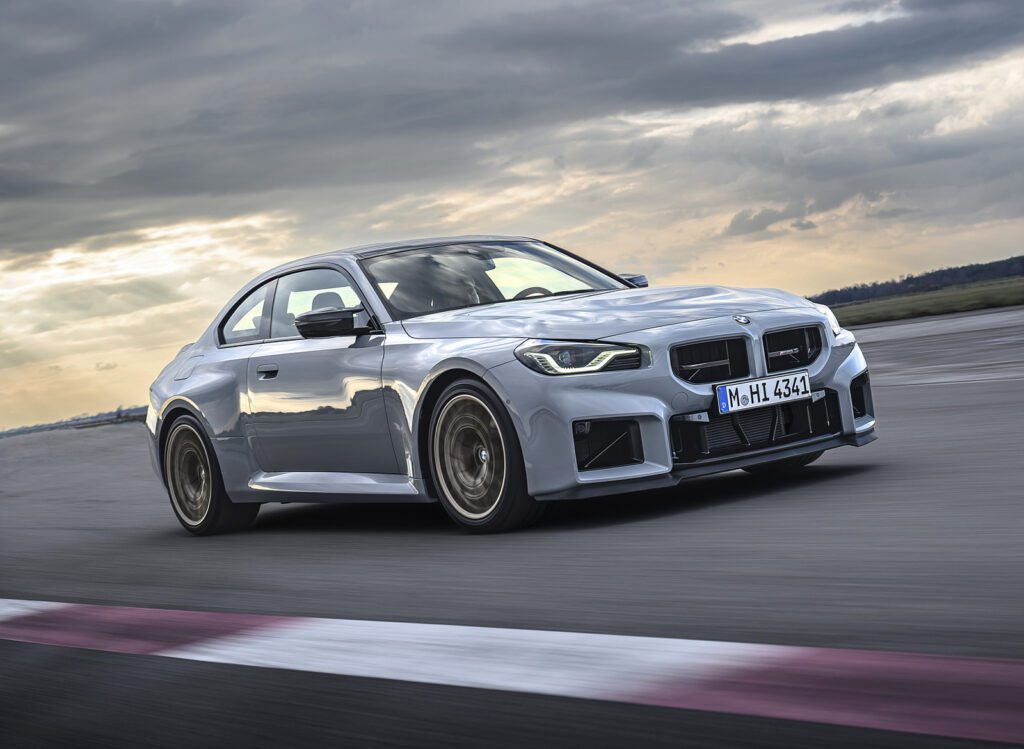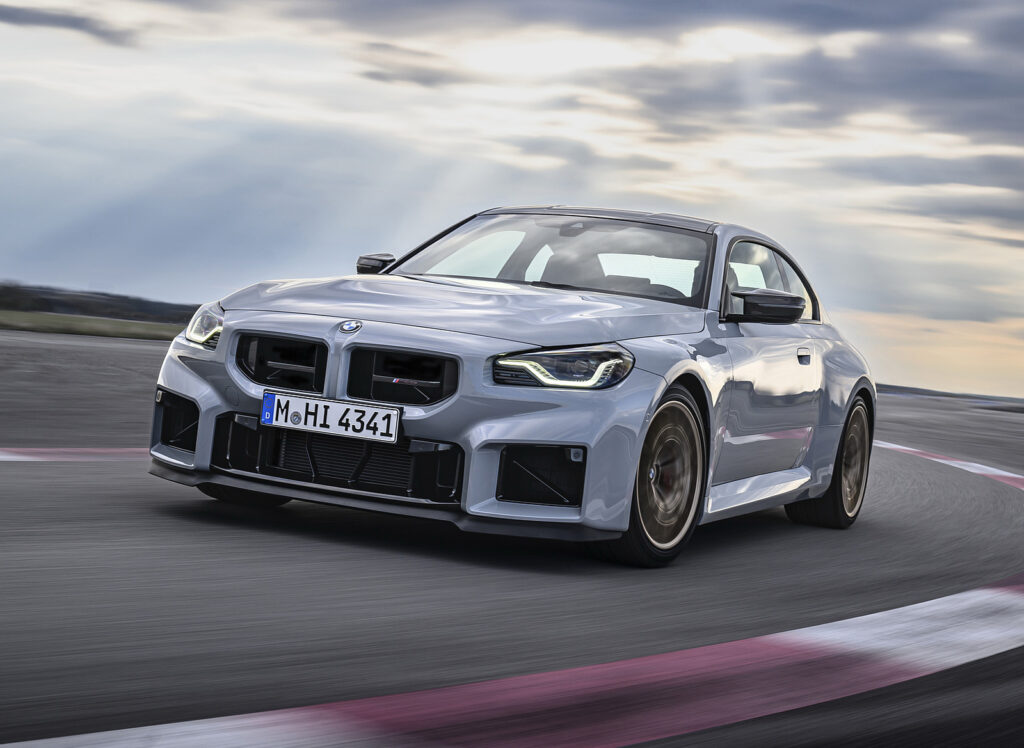
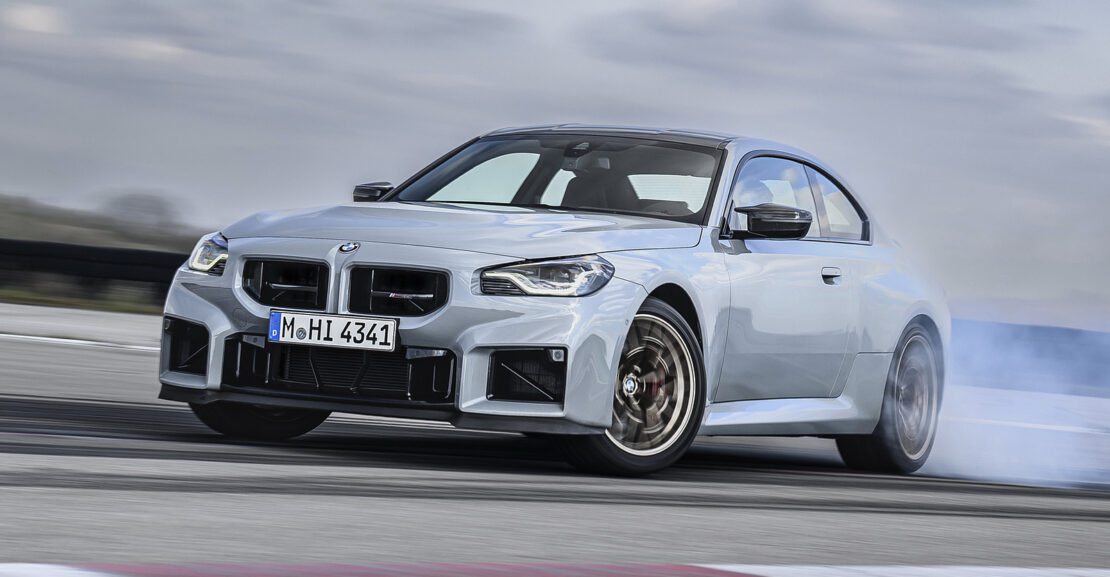
2026 BMW M2 CS raises power, sheds pounds, and targets track-day regulars
BMW’s smallest coupe has always delivered thrills, but the 2026 BMW M2 CS pushes the formula further. Extra horsepower, trimmed weight, and extensive carbon-fiber upgrades hone it into a sharper tool for track days while keeping it livable on the road. True to the “CS” tradition, numbers will be limited, the price tag rises steeply, and the absence of a six-speed manual is bound to stir as much controversy as enthusiasm.
Powertrain and Performance
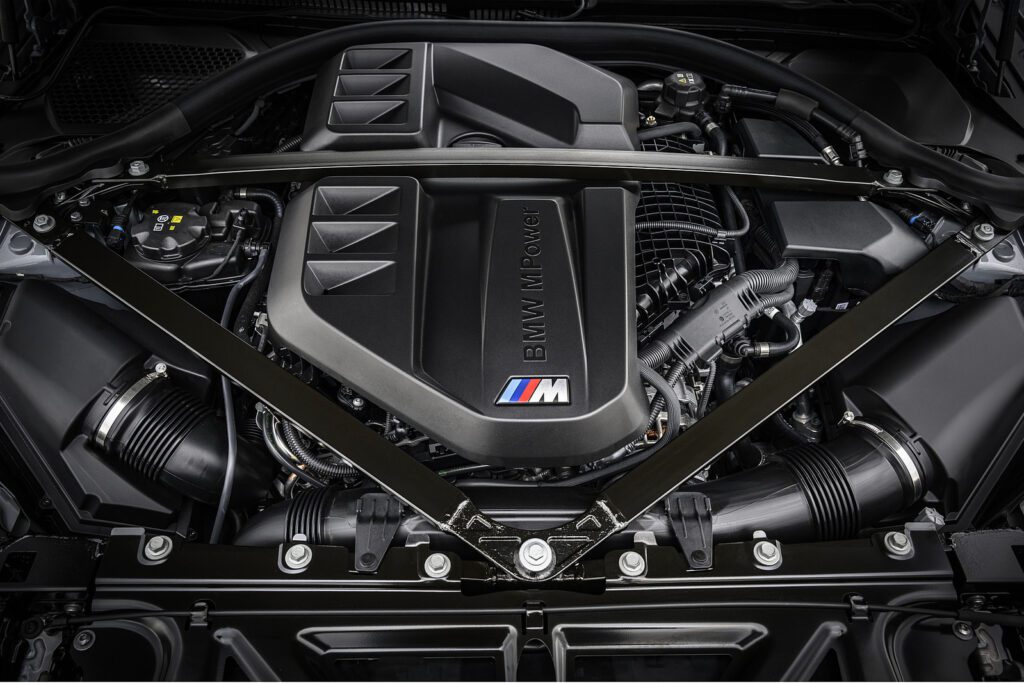
The 3.0-liter twin-turbo inline-six (code-named S58) now delivers 530 hp at 6,250 rpm and 479 lb-ft of torque between 2,650 and 5,730 rpm—up 50 hp and 37 lb-ft over the 2025 M2. Credit goes to revised engine mapping, stiffer mounts, and BMW’s ever-evolving M TwinPower system. Power flows solely to the rear wheels through an eight-speed M Steptronic automatic with Drivelogic, the only gearbox offered.
BMW lists a 0–100 km/h sprint of 3.8 seconds, which translates to roughly 3.7 seconds to 60 mph using the U.S. rollout convention. With the standard M Driver’s Package, top speed stretches to an electronically limited 188 mph.
Chassis, Wheels, and Brakes
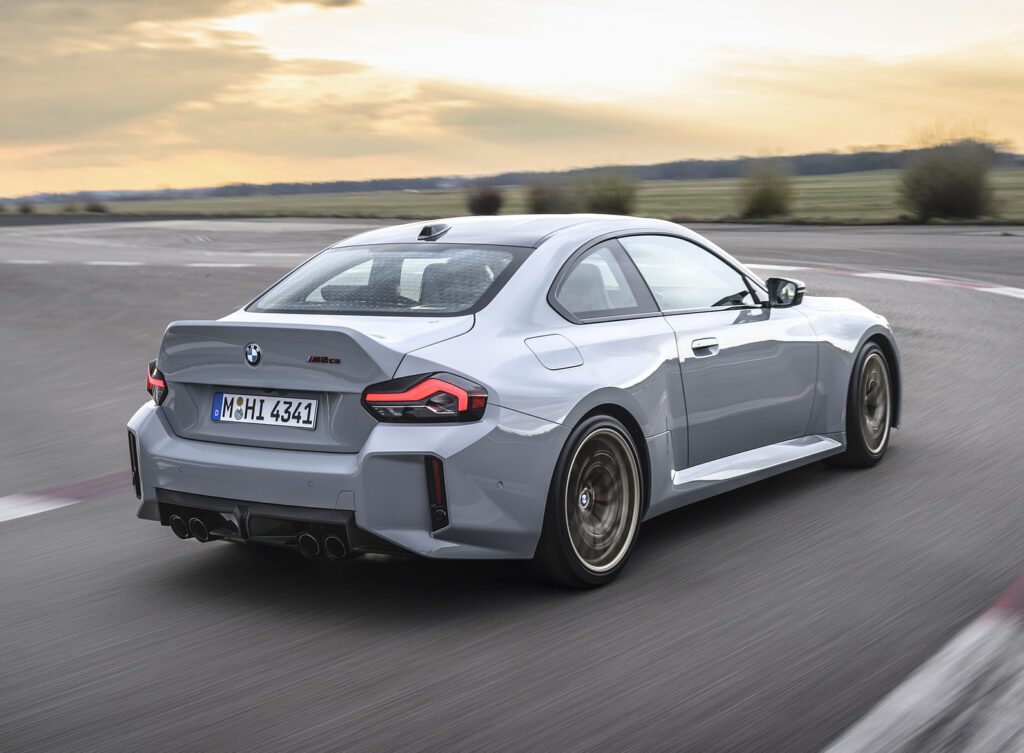
BMW shaved about 66 pounds from the curb weight, largely through extensive use of carbon-fiber-reinforced plastic (CFRP) components and lightweight forged wheels. The CS also gets its own tuning for the springs, adaptive dampers, and anti-roll bars, while ride height sits 0.3 inches lower. Steering assistance (M Servotronic), the integrated braking system, and the active rear differential all feature bespoke calibrations.
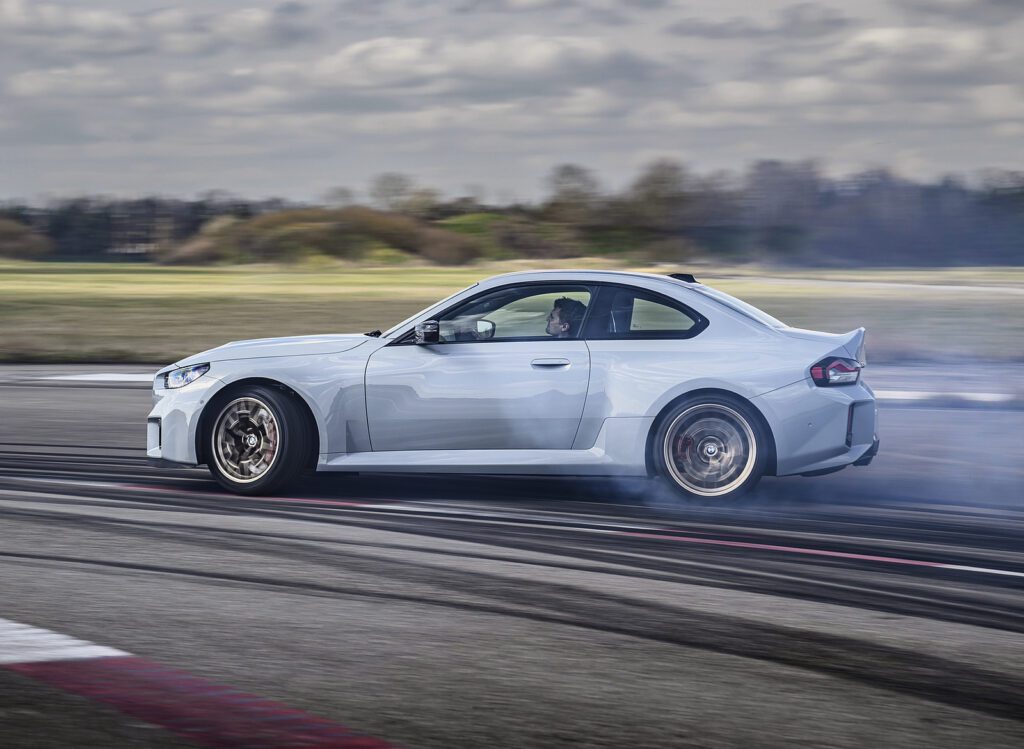
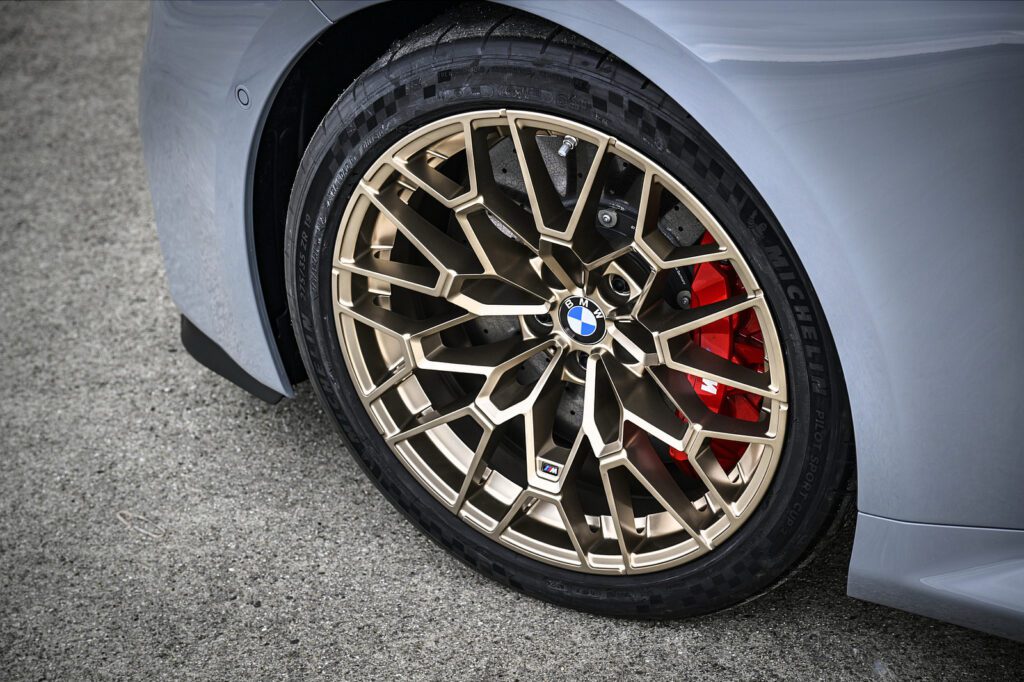
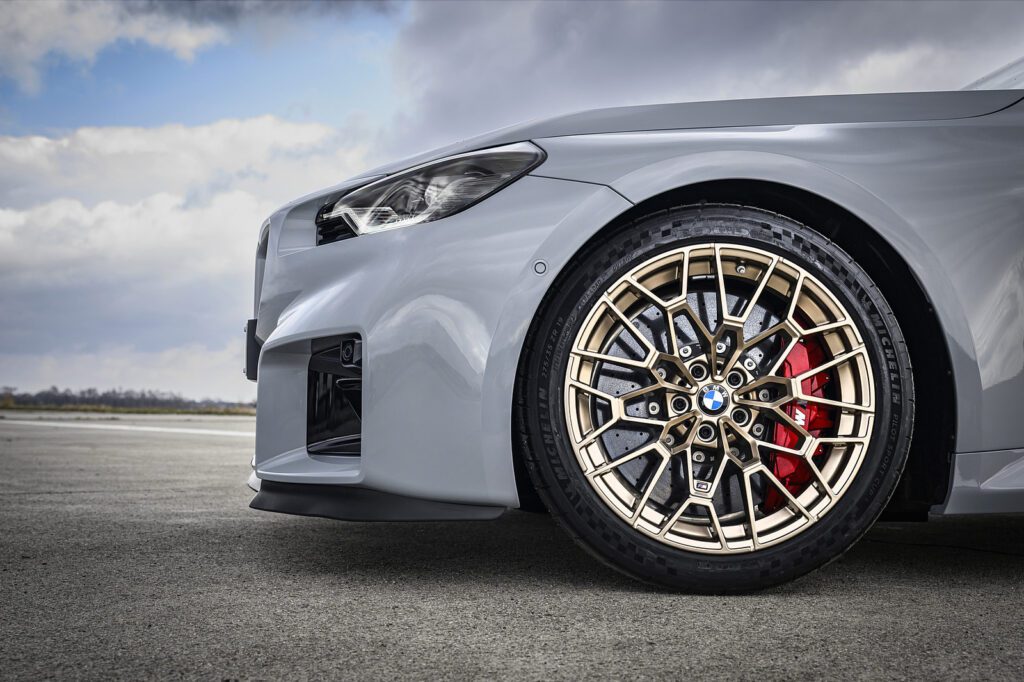
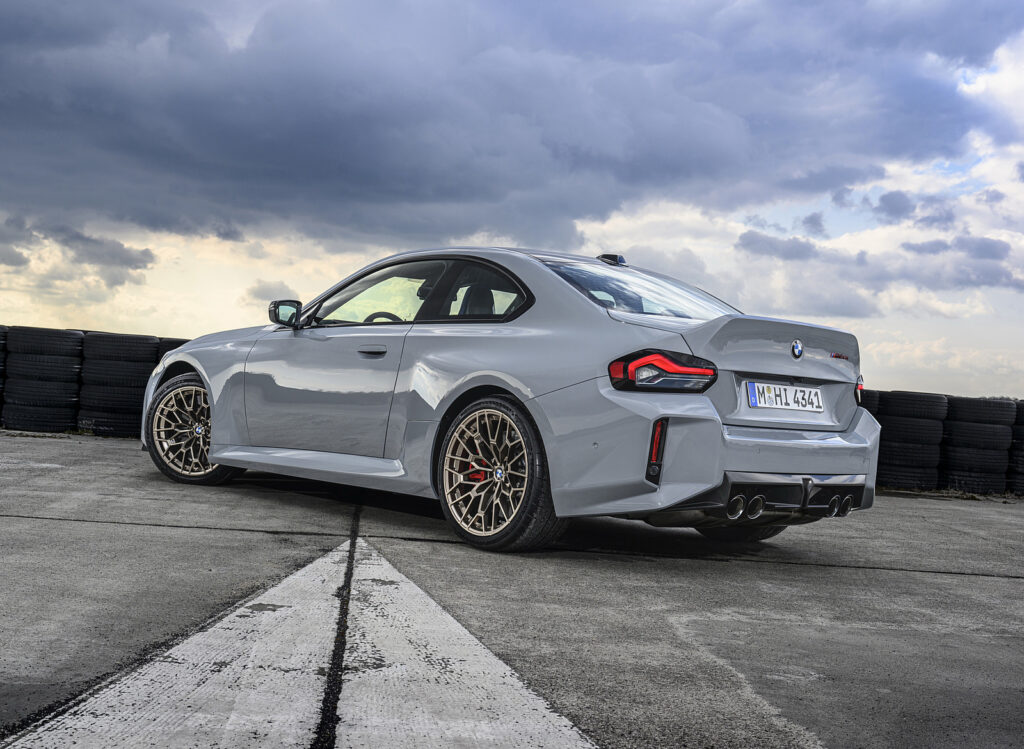
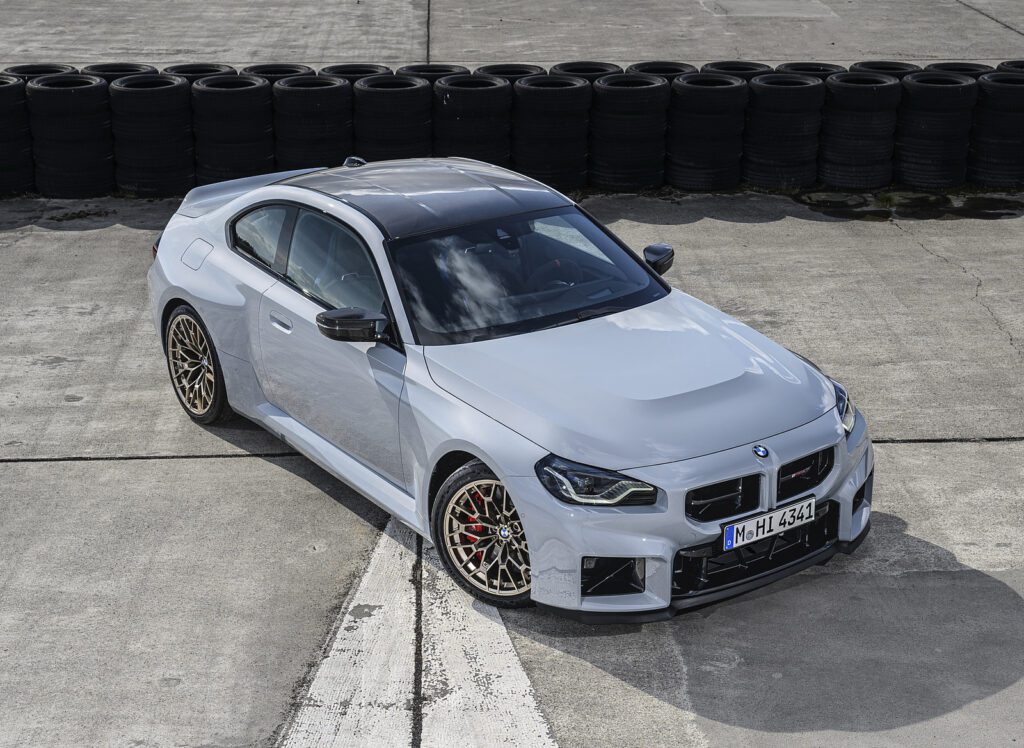
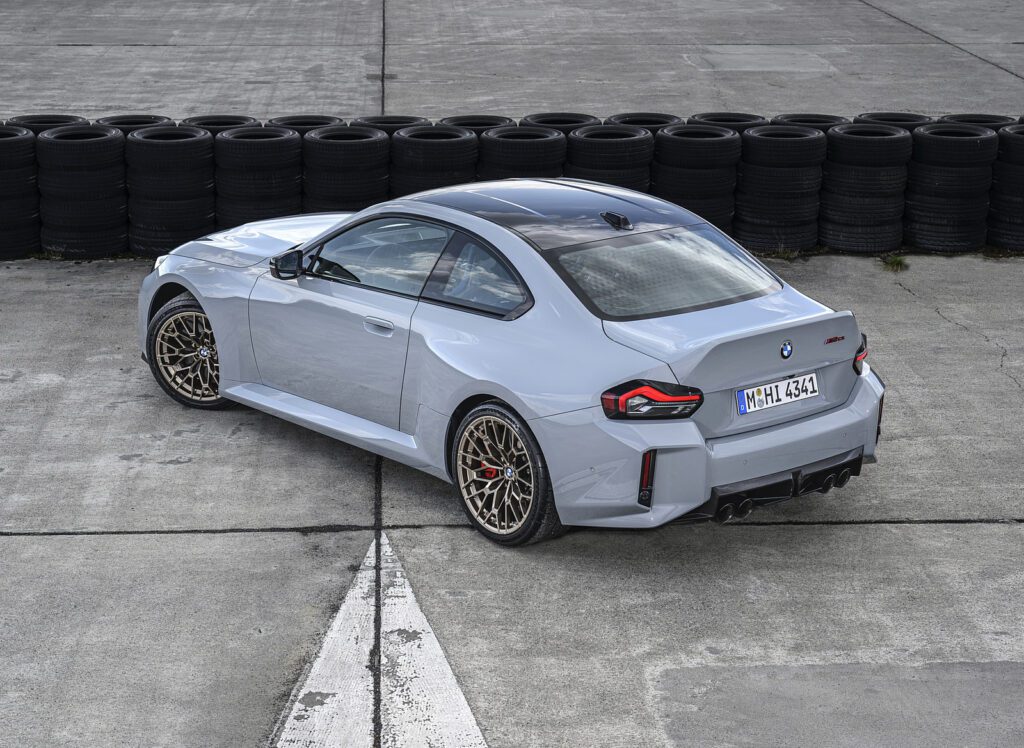
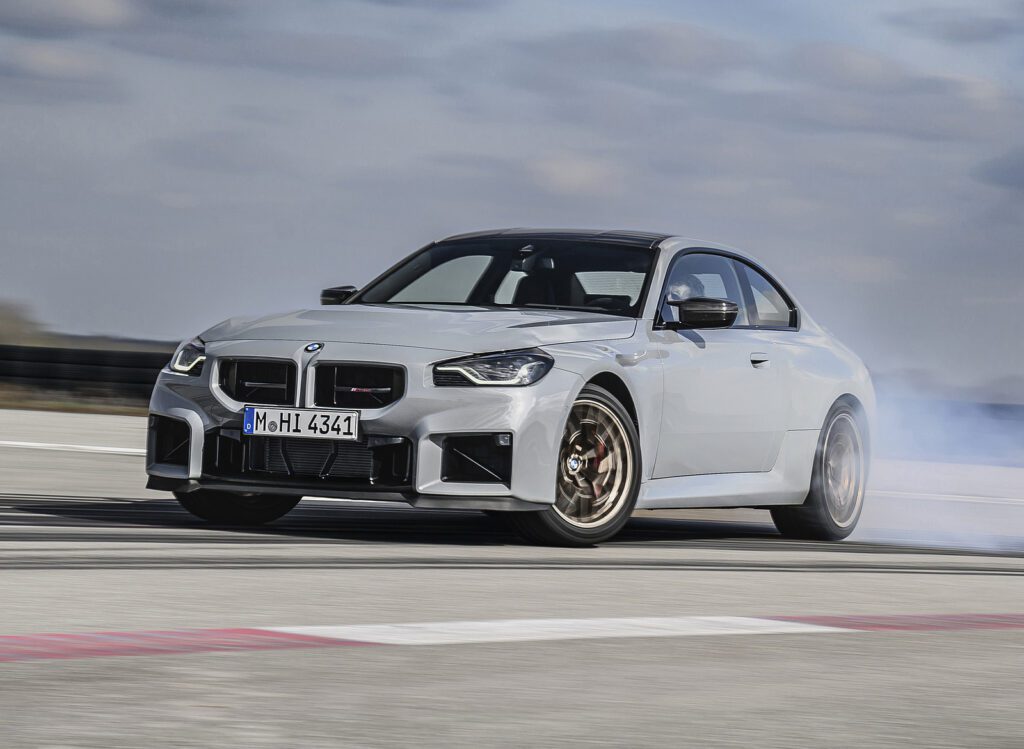
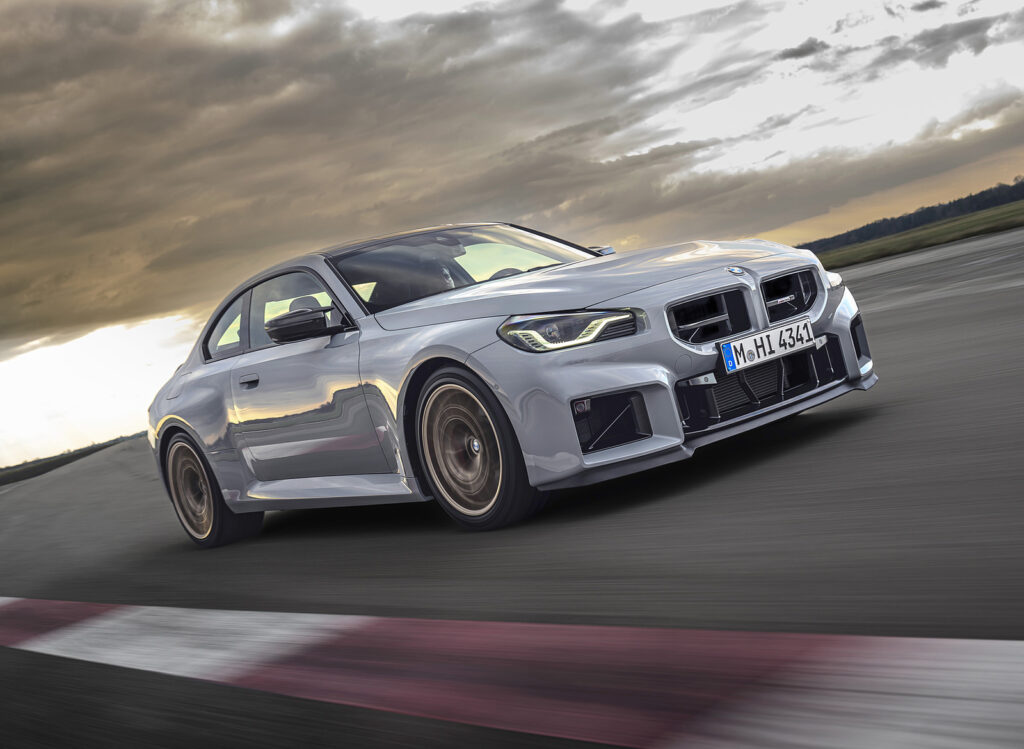
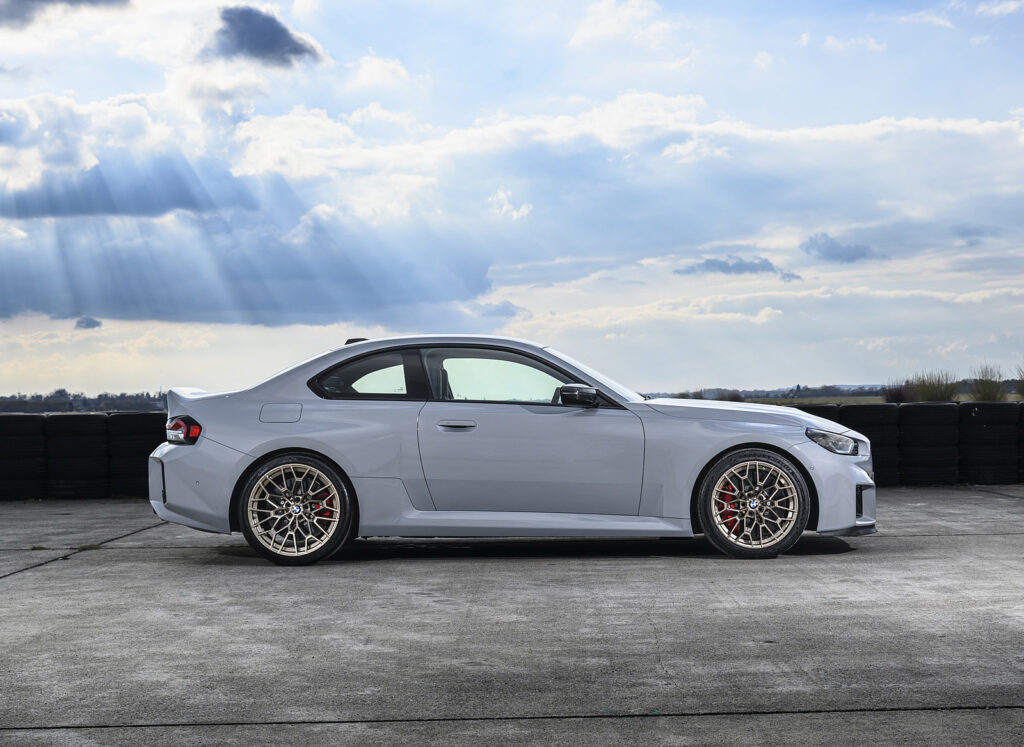
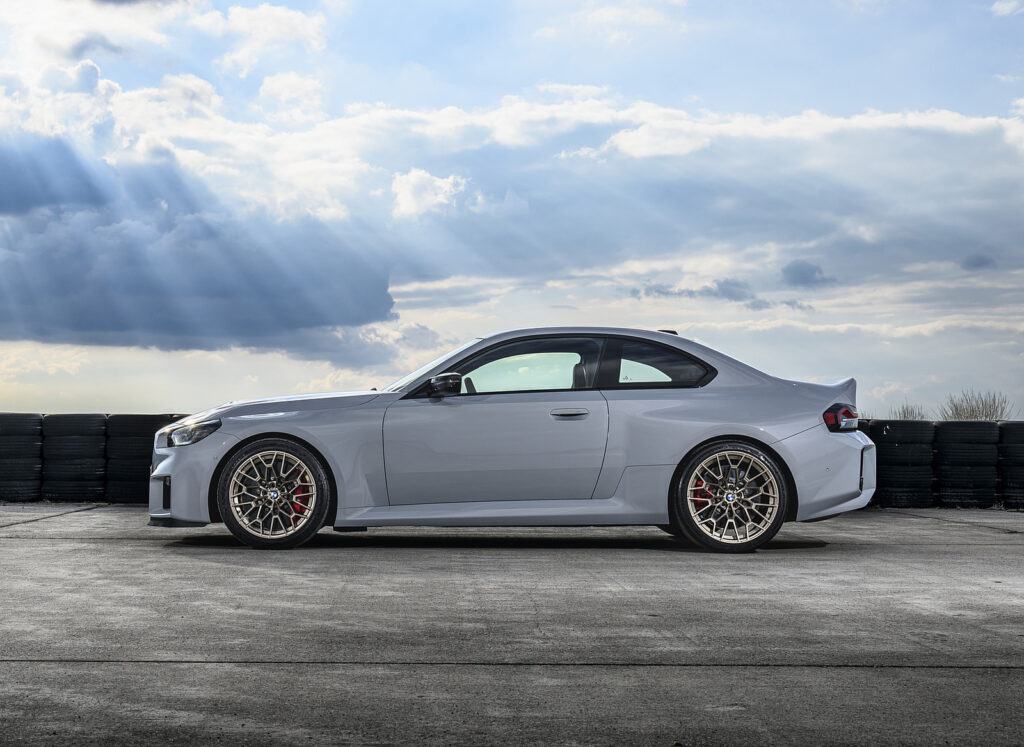
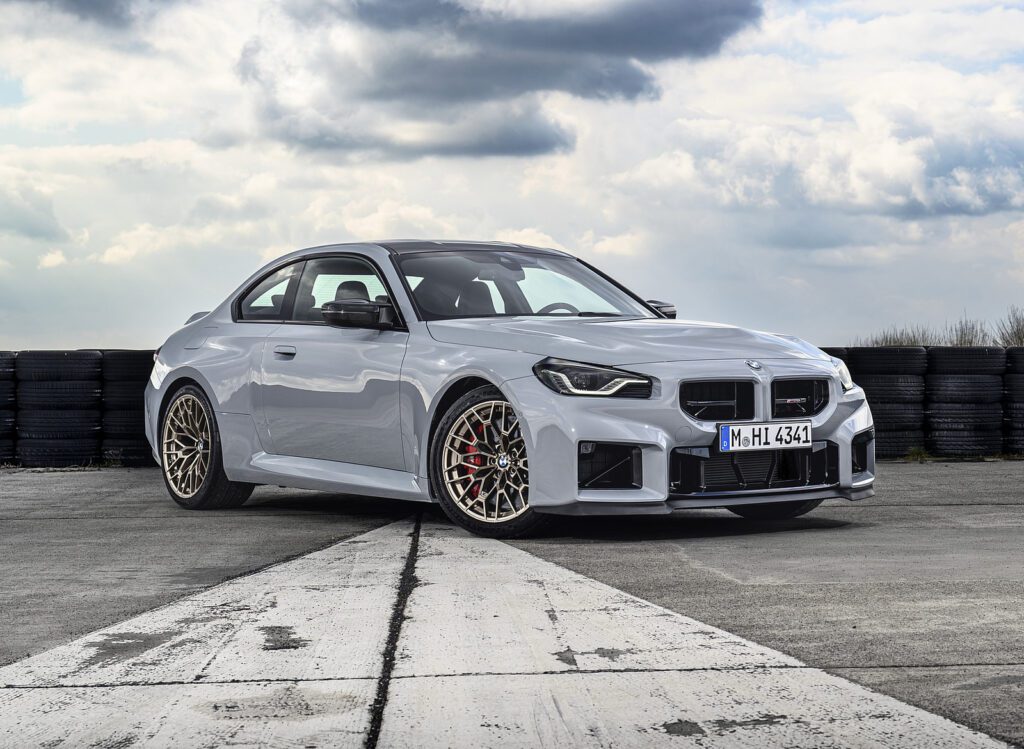
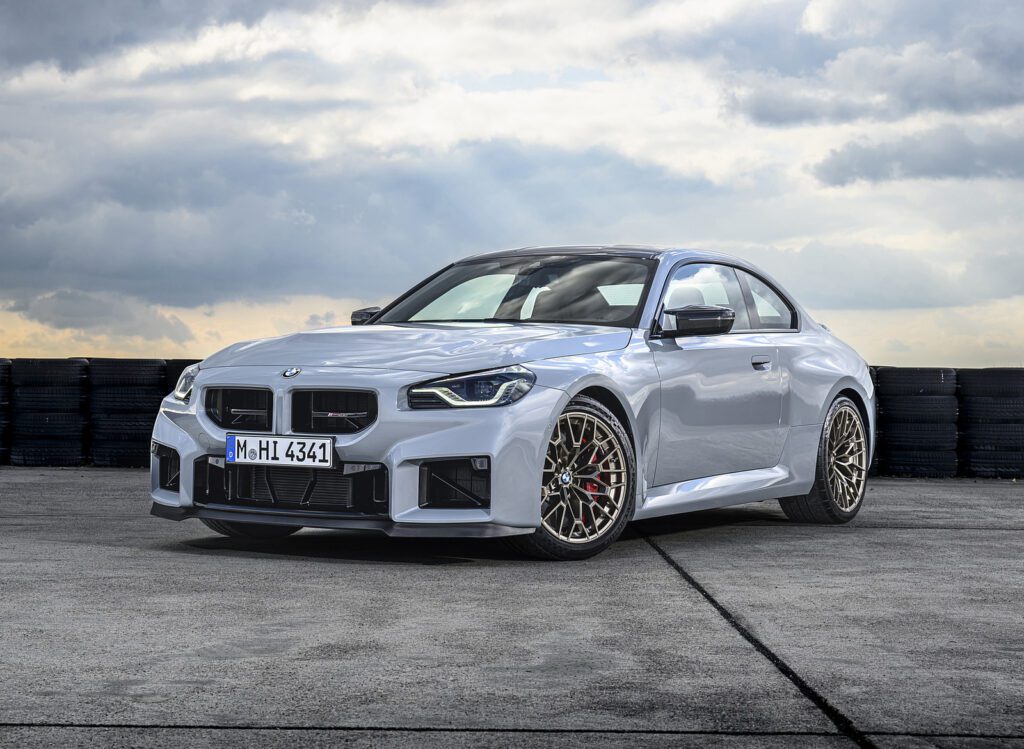
Standard stopping power comes from red-painted M Compound brakes with 380 mm rotors up front and 370 mm at the rear, while carbon-ceramic discs with larger dimensions are available for serious track work. The staggered wheels—19 × 9.5 inches at the front and 20 × 10.5 inches at the rear—wear a matte Gold Bronze finish and are paired with 275/35ZR19 and 285/30ZR20 tires. Customers can opt at no extra cost for performance street rubber, a default track-biased setup, or an even grippier “ultra-track” option.
Lightweight design and exterior cues
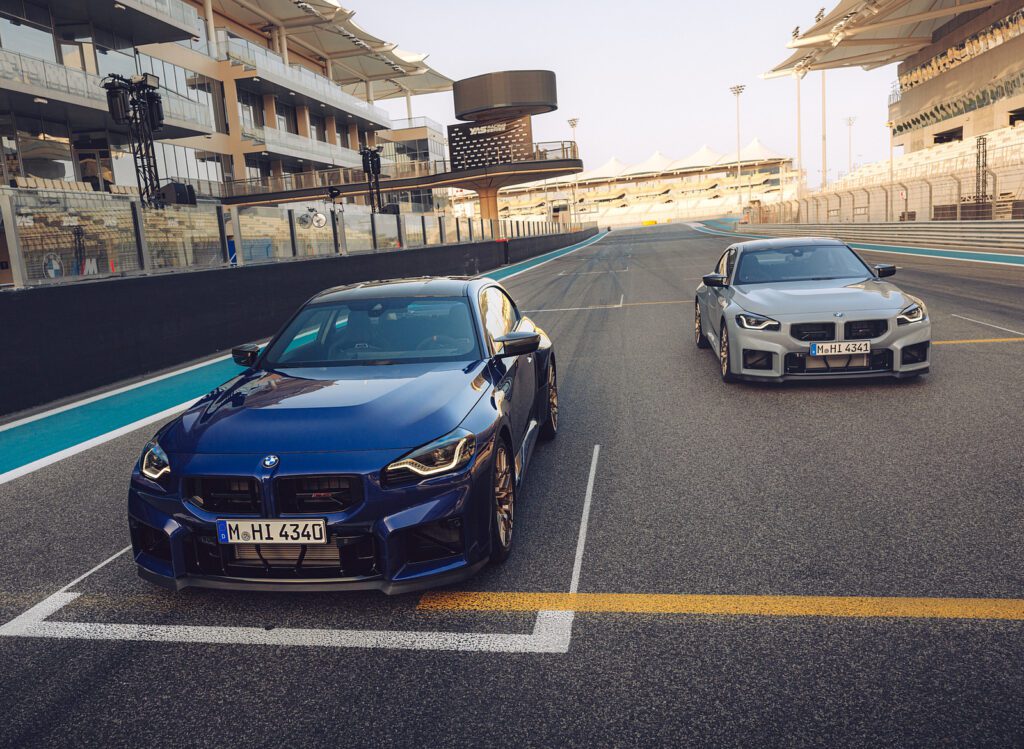
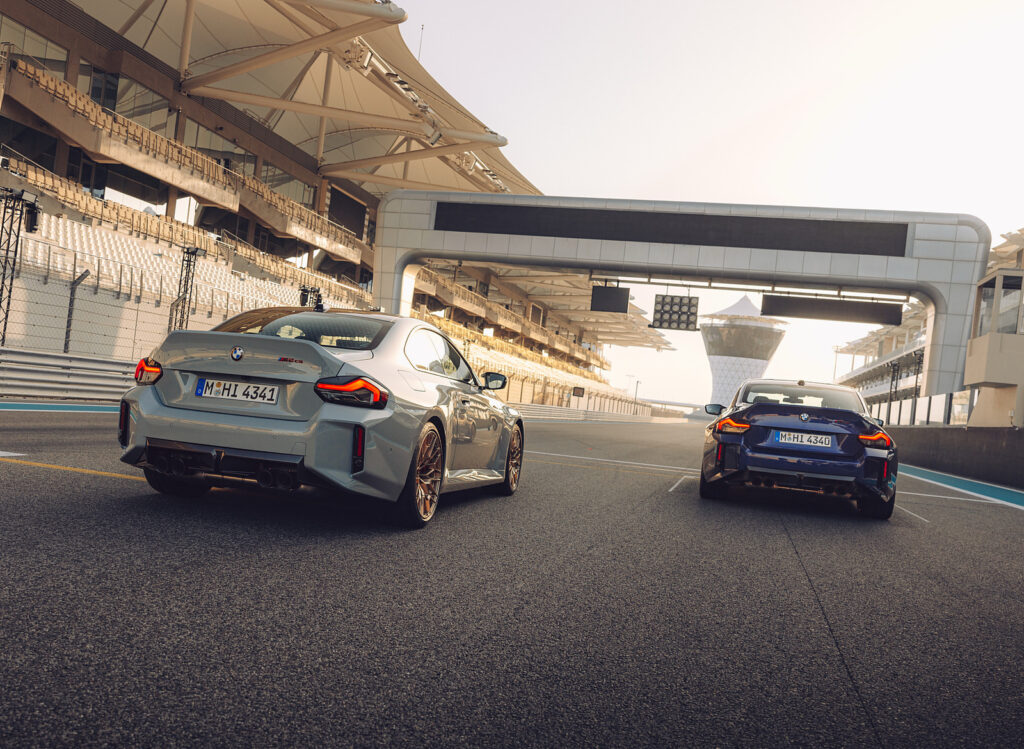
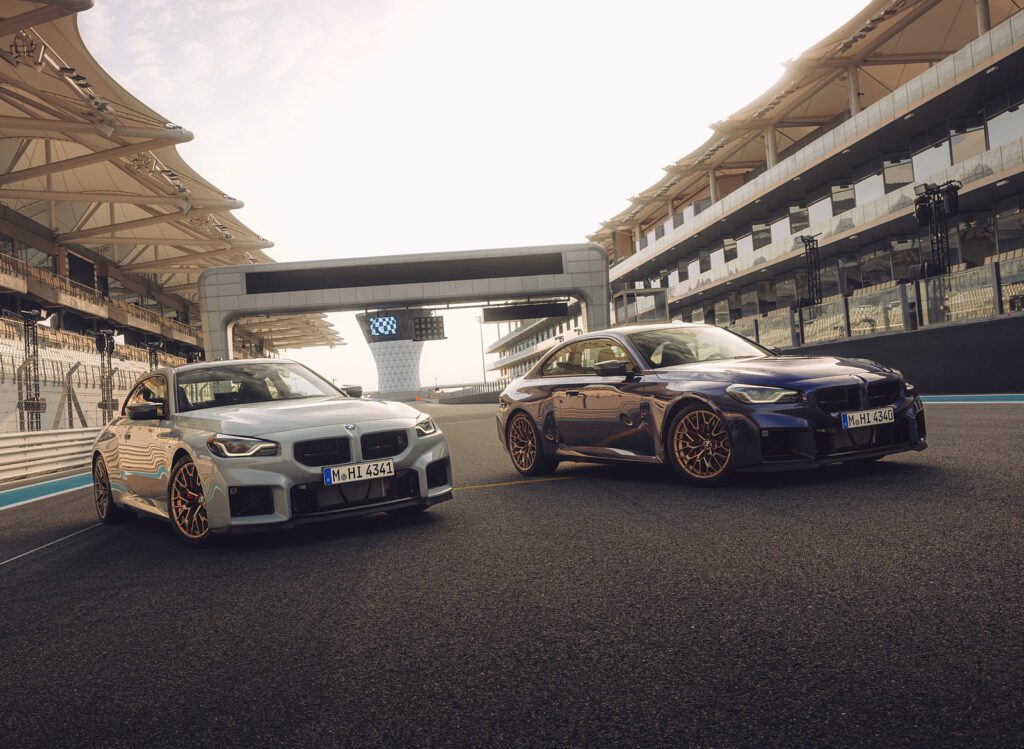
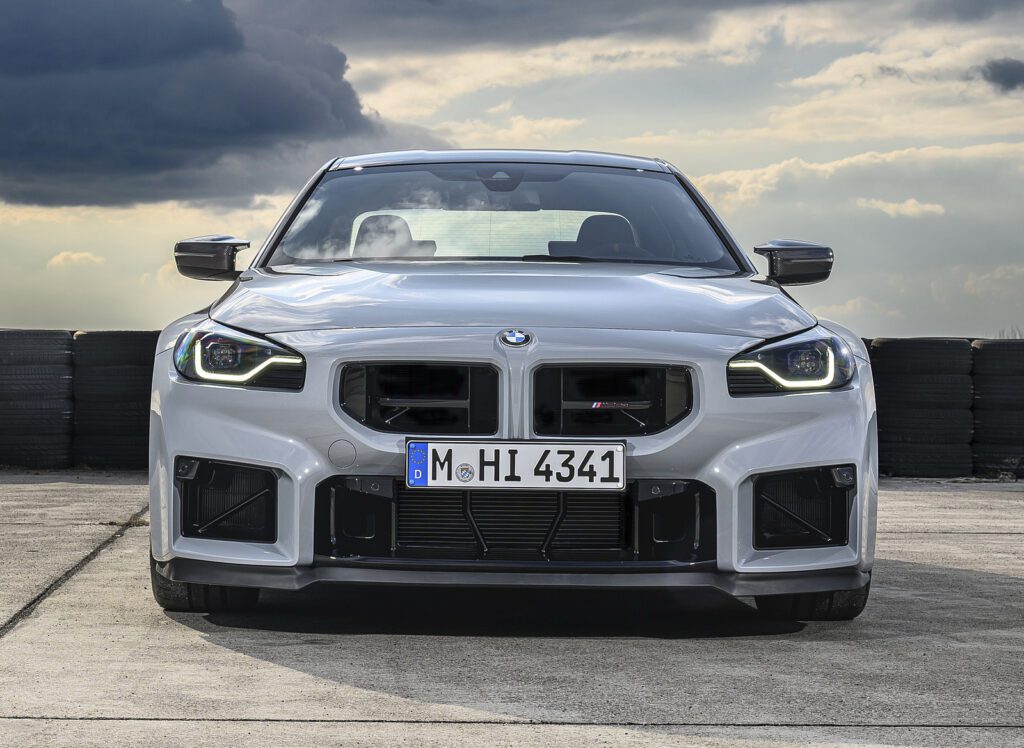
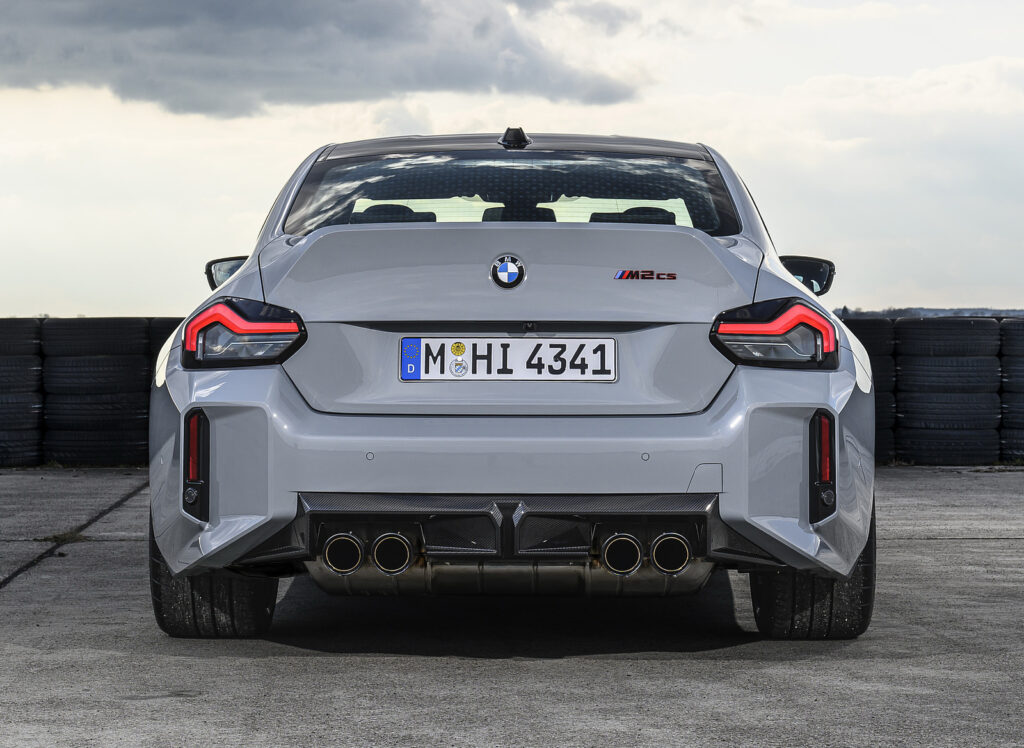
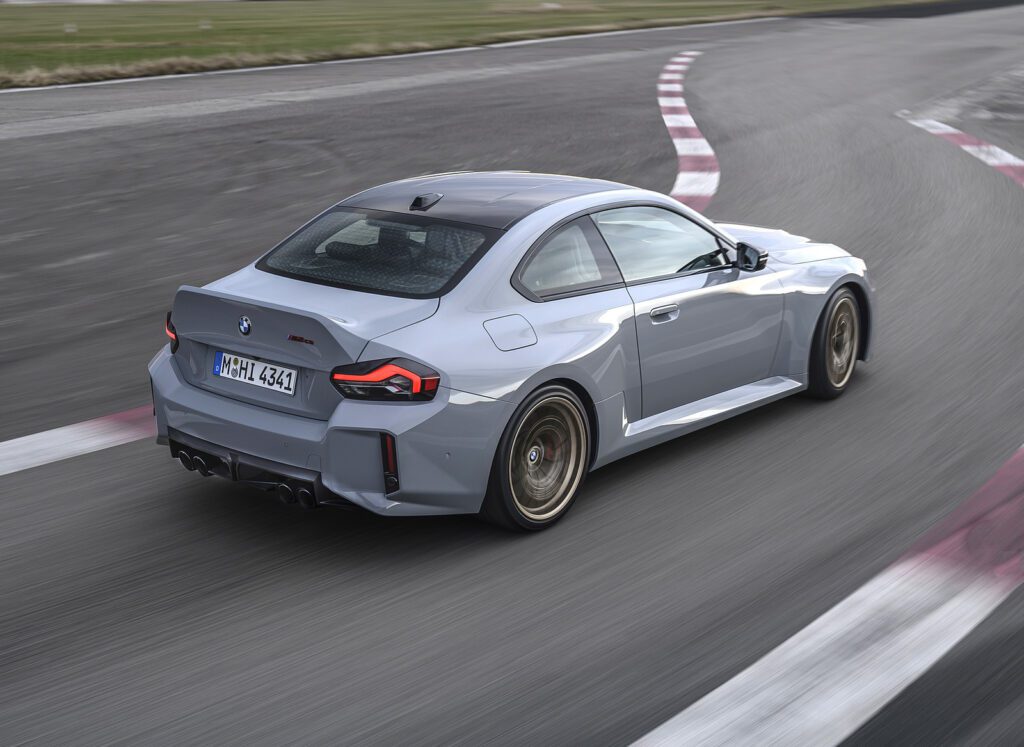
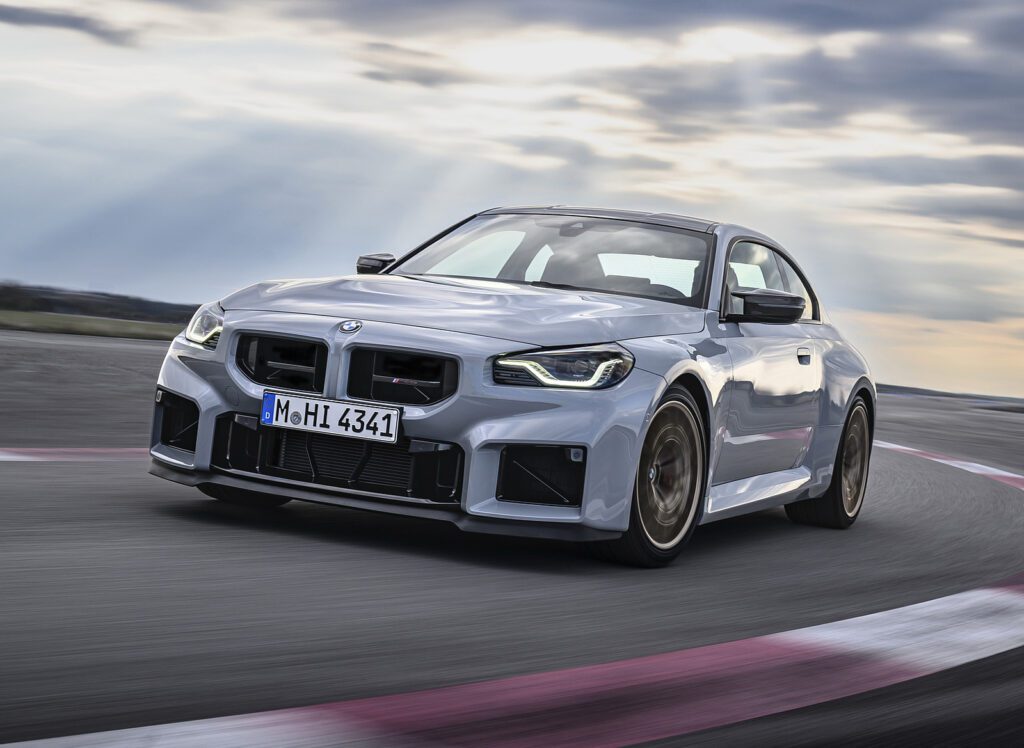
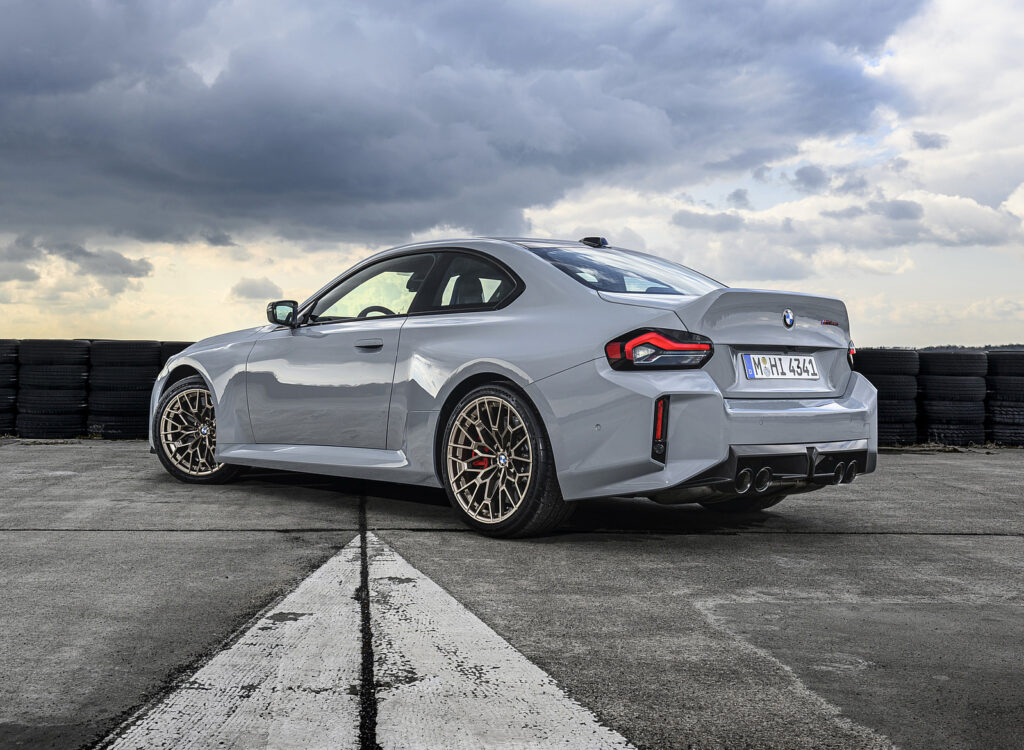
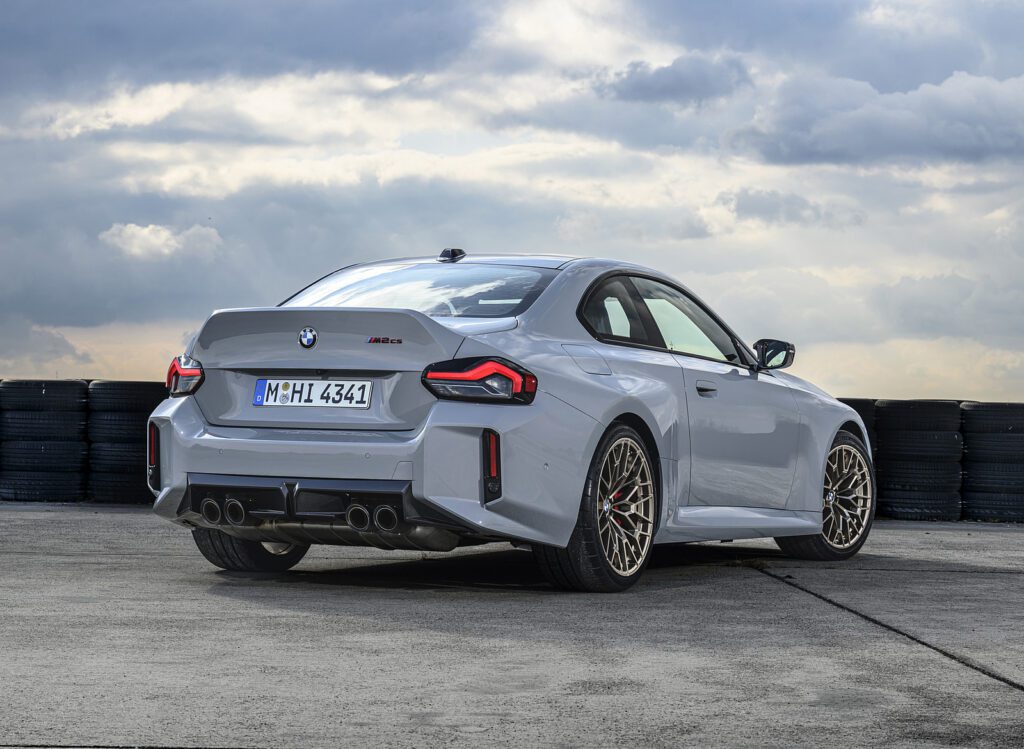
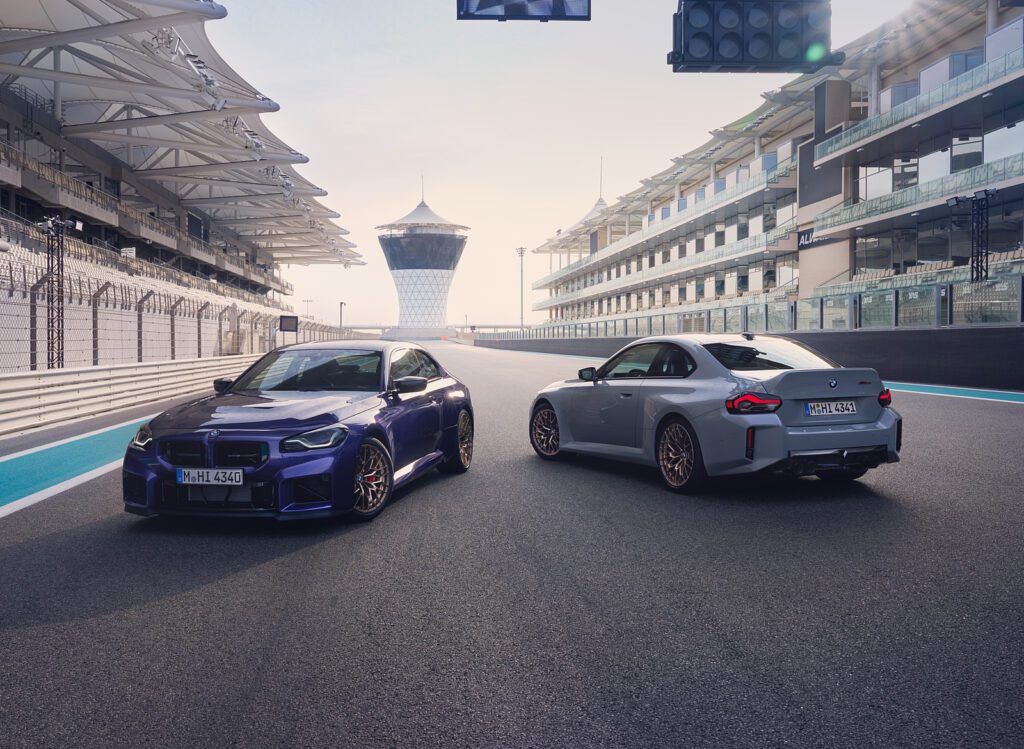
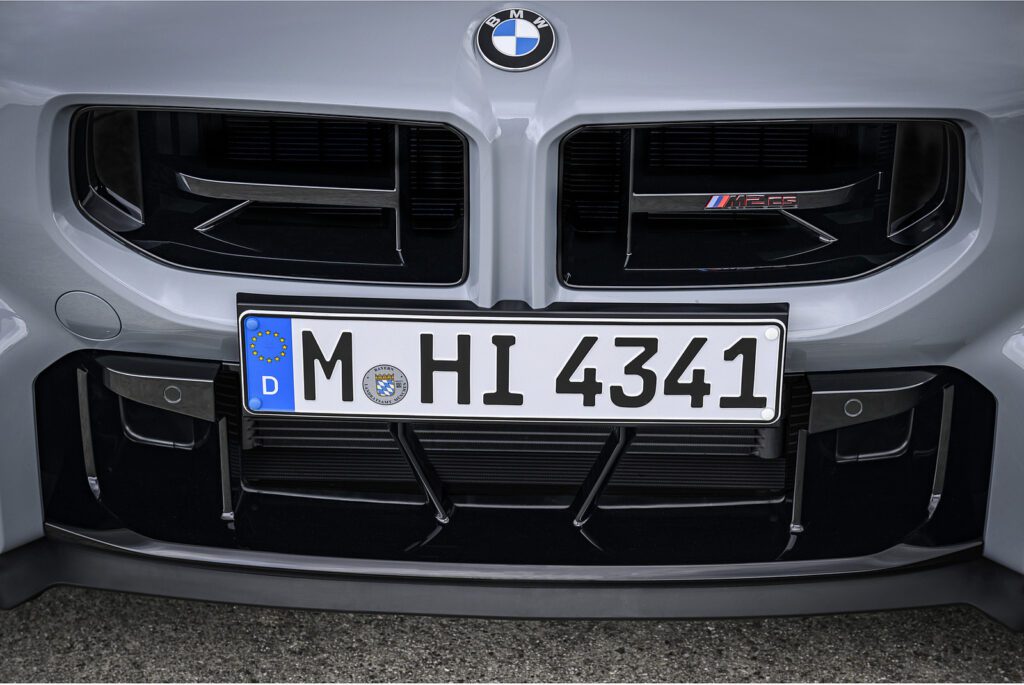
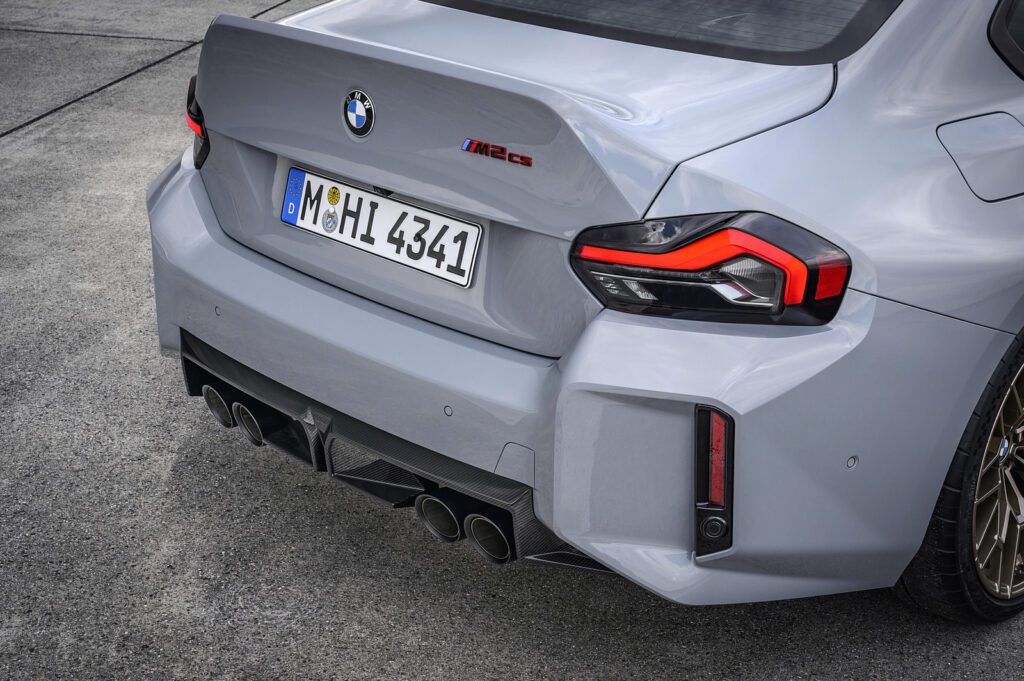
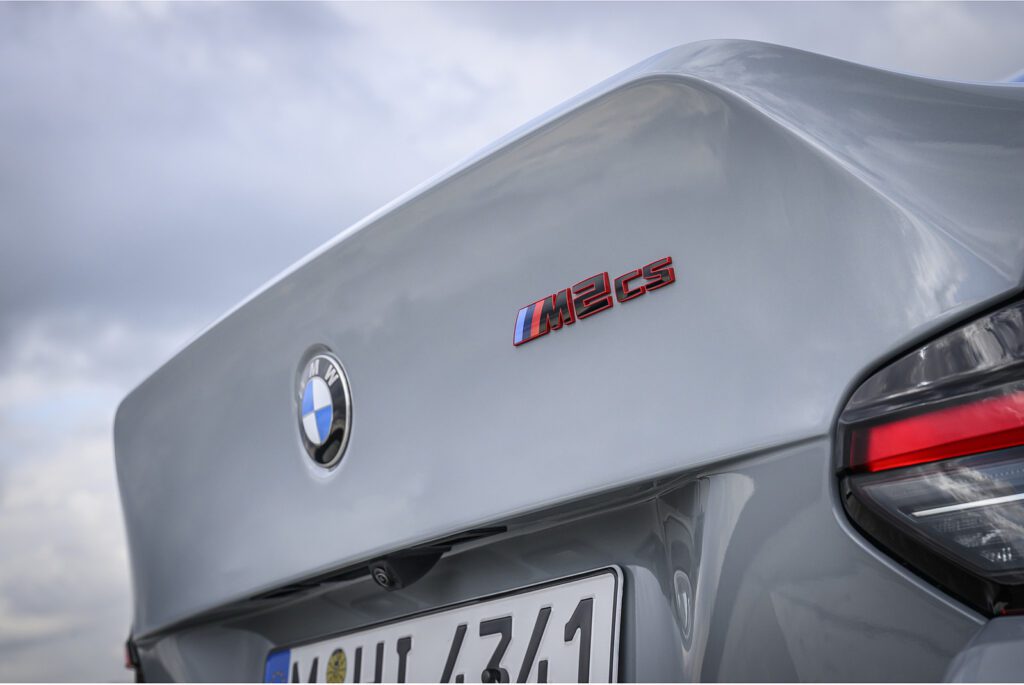
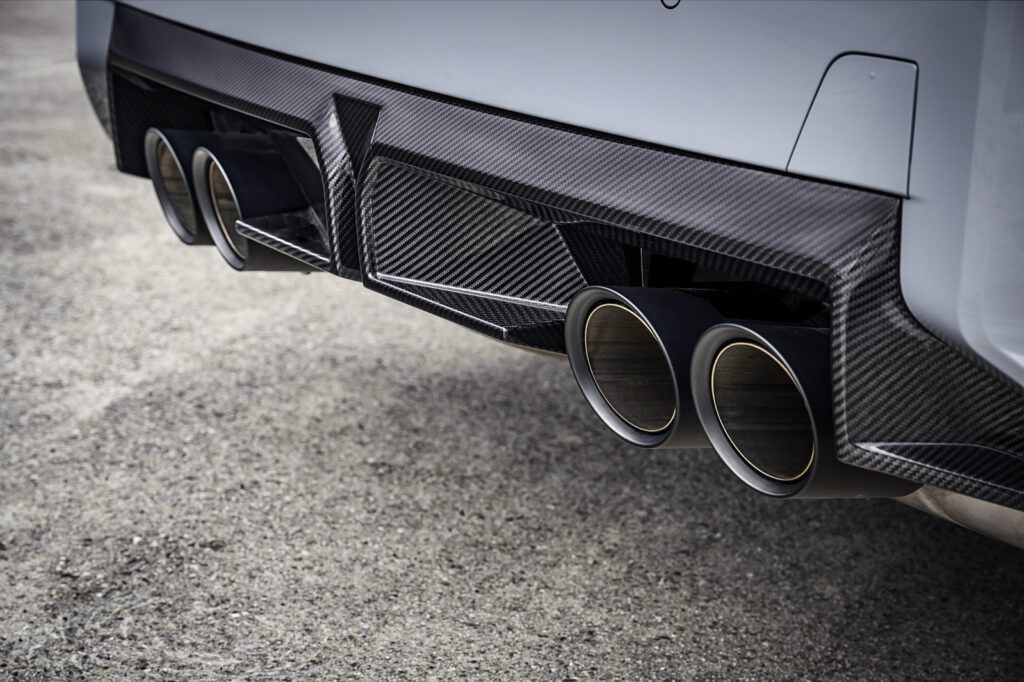
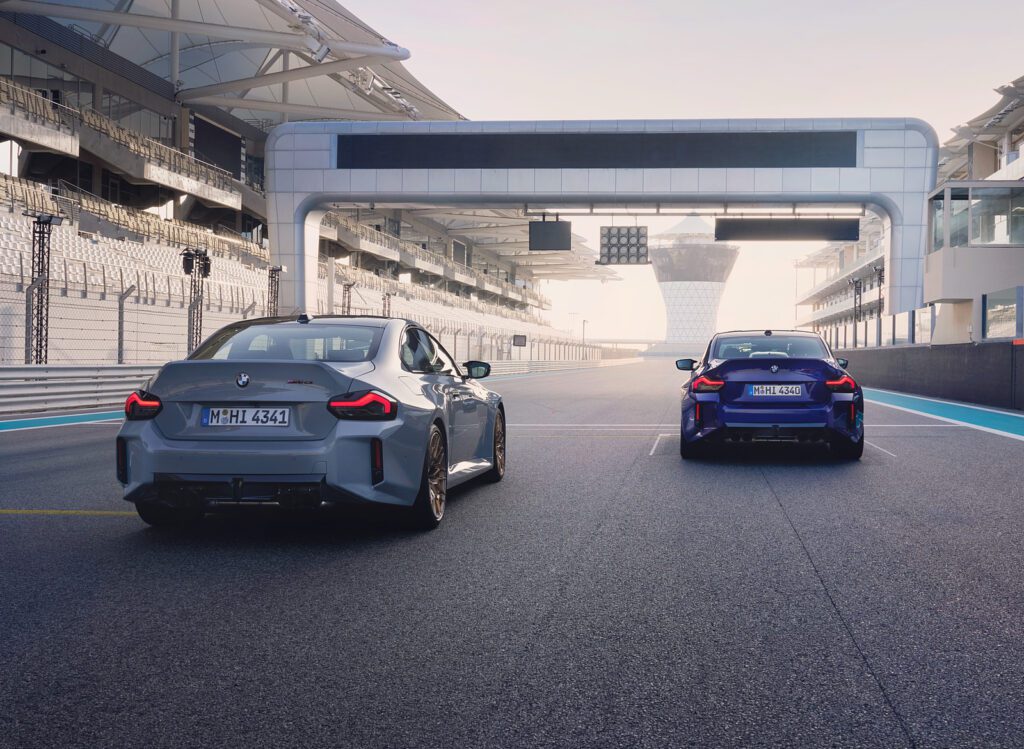
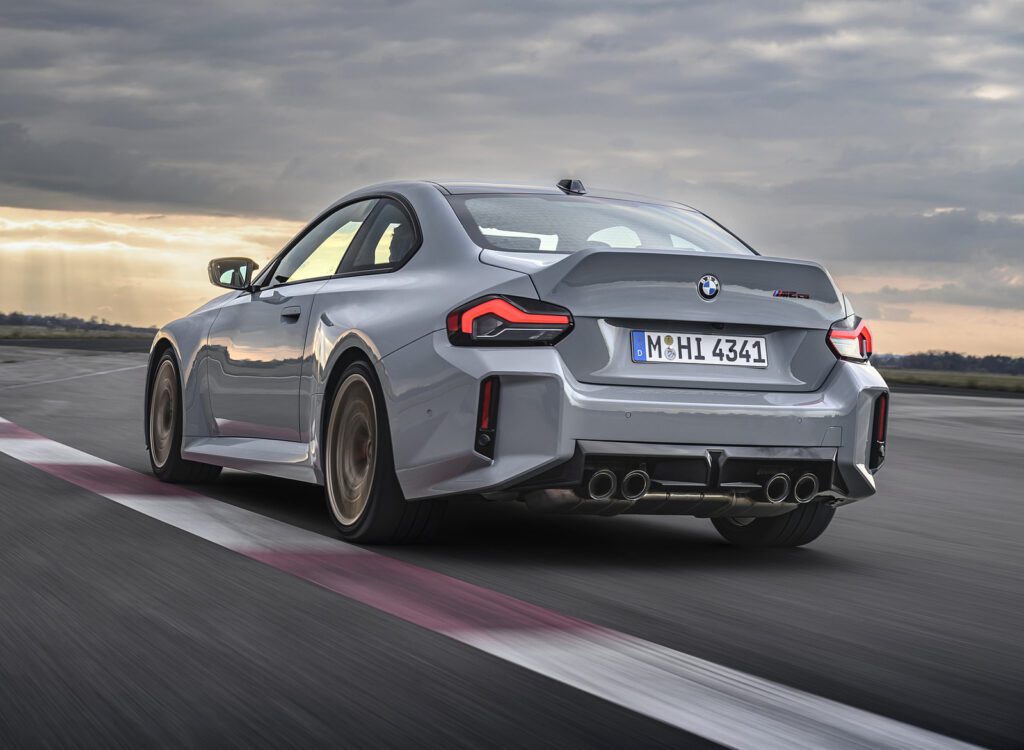
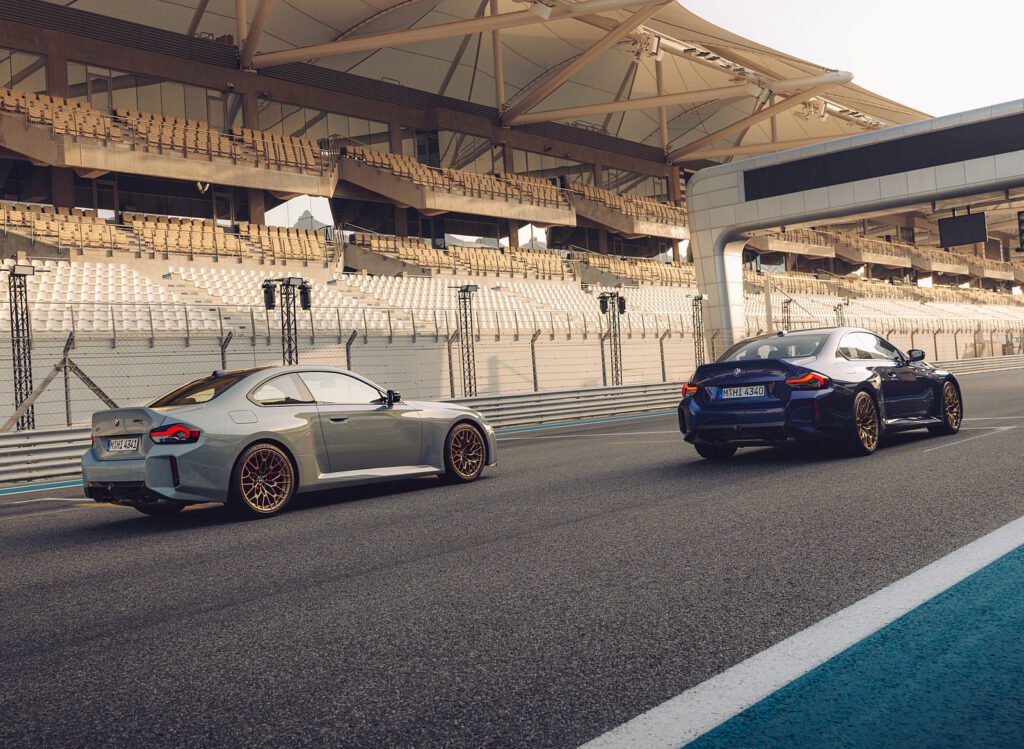
The CS makes its presence felt without relying on massive wings or exaggerated aero add-ons. Weight-saving carbon-fiber pieces include the roof, trunk lid with a subtle “ducktail” spoiler, front splitter, rear diffuser, and mirror caps—functional upgrades that also sharpen its look. The kidney grille is finished in gloss black, while the quad exhaust tips get a matte black treatment. Buyers can choose from four paint finishes—Sapphire Black, M Portimao Blue, M Brooklyn Grey, or the exclusive Individual Velvet Blue—each paired with dark Shadowline LED headlights for added contrast.
Cabin tech and materials
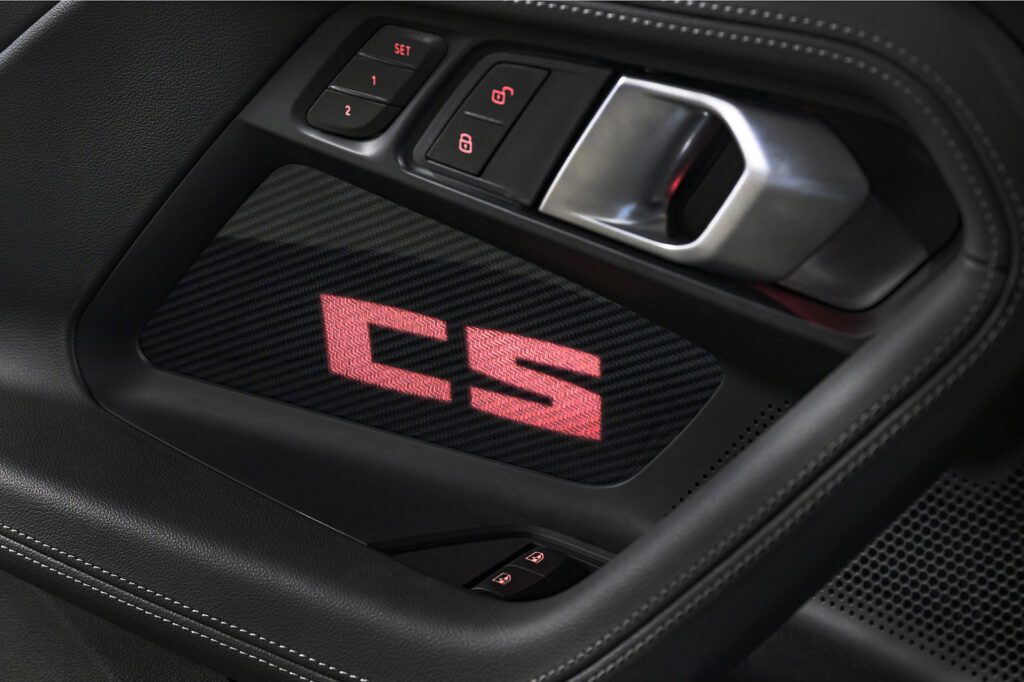
Swing open the frameless doors and you’ll find heated carbon-fiber bucket seats wrapped in Merino leather, complete with an illuminated “CS” badge and harness pass-throughs. More carbon fiber appears across the center console, instrument panel, and door cards—the latter accented by backlit “CS” graphics.
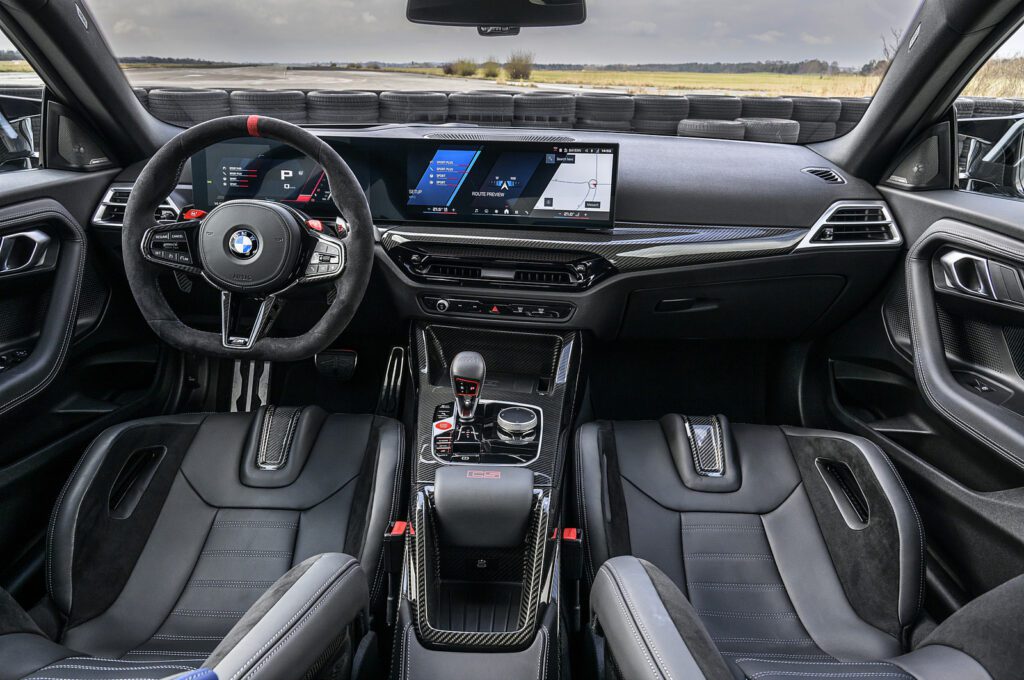
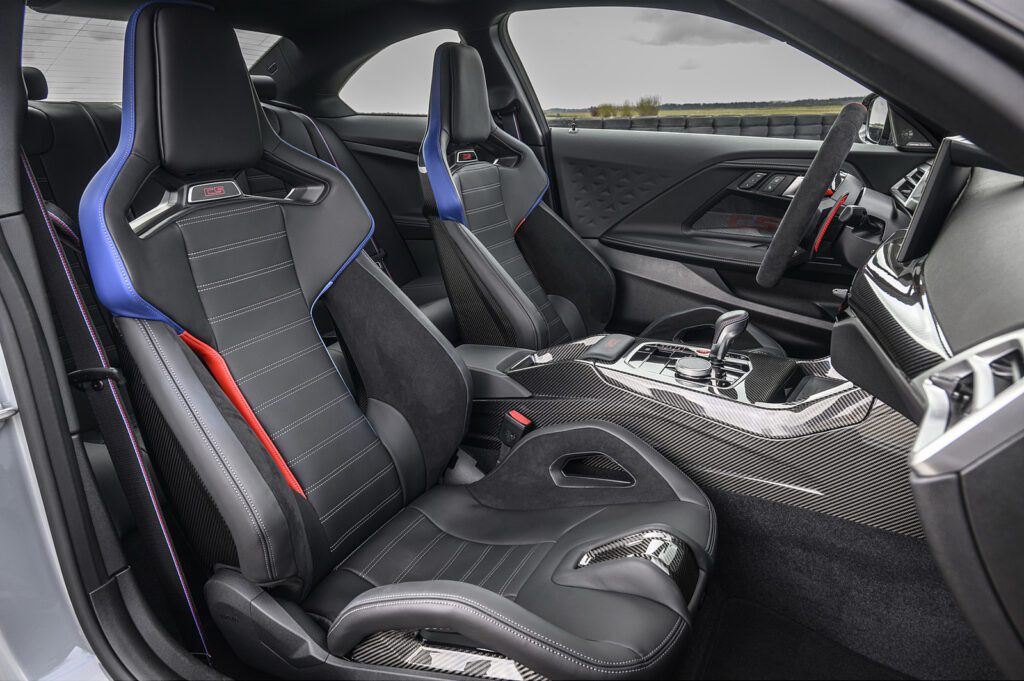
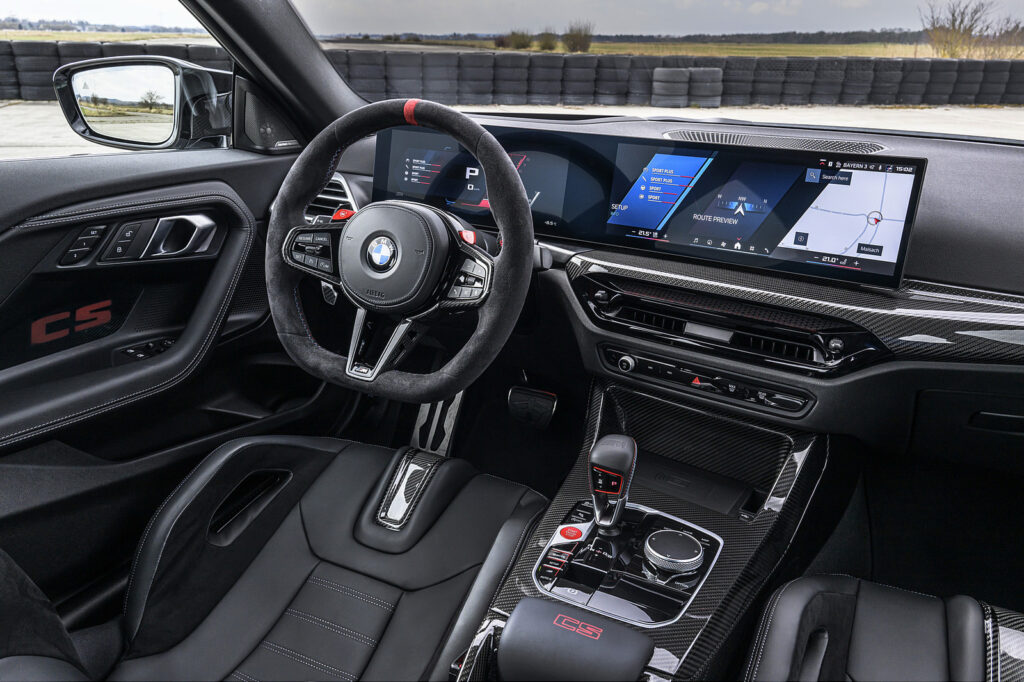
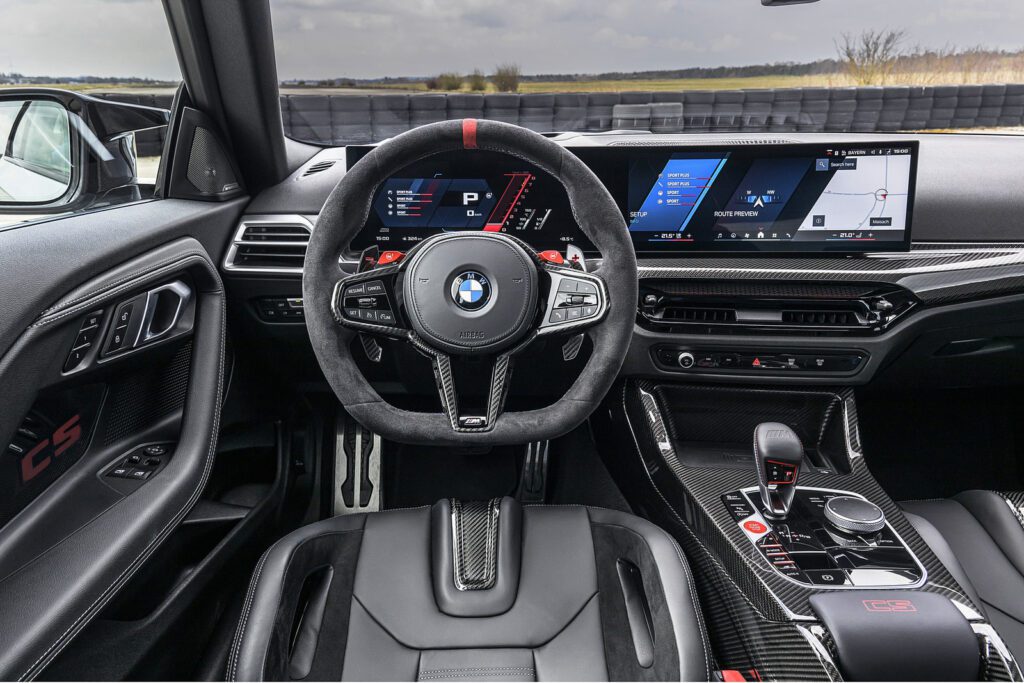
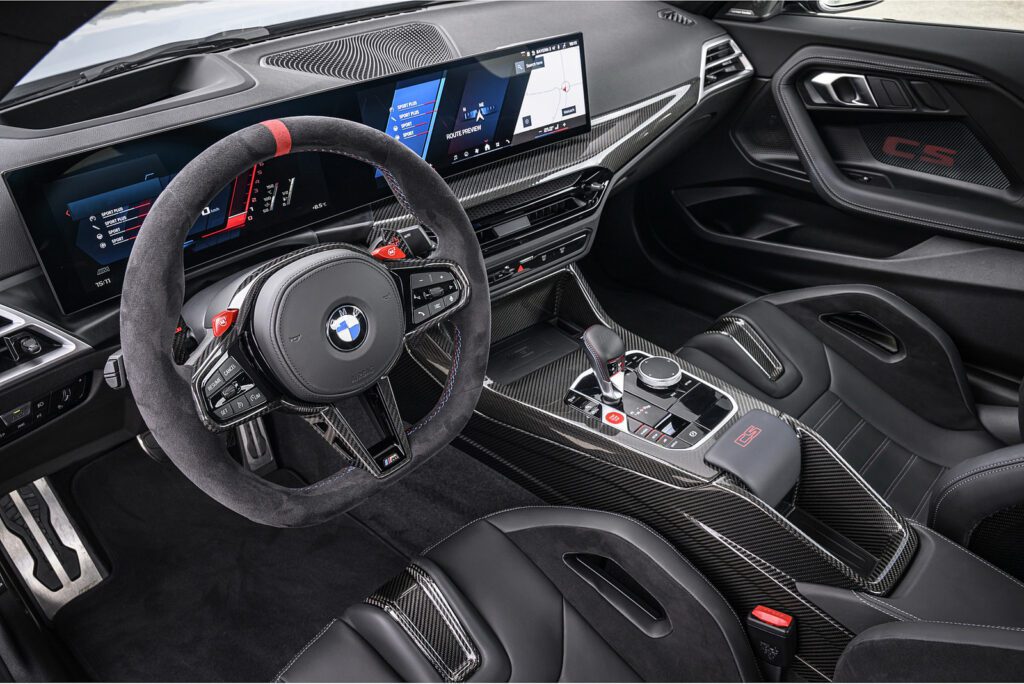
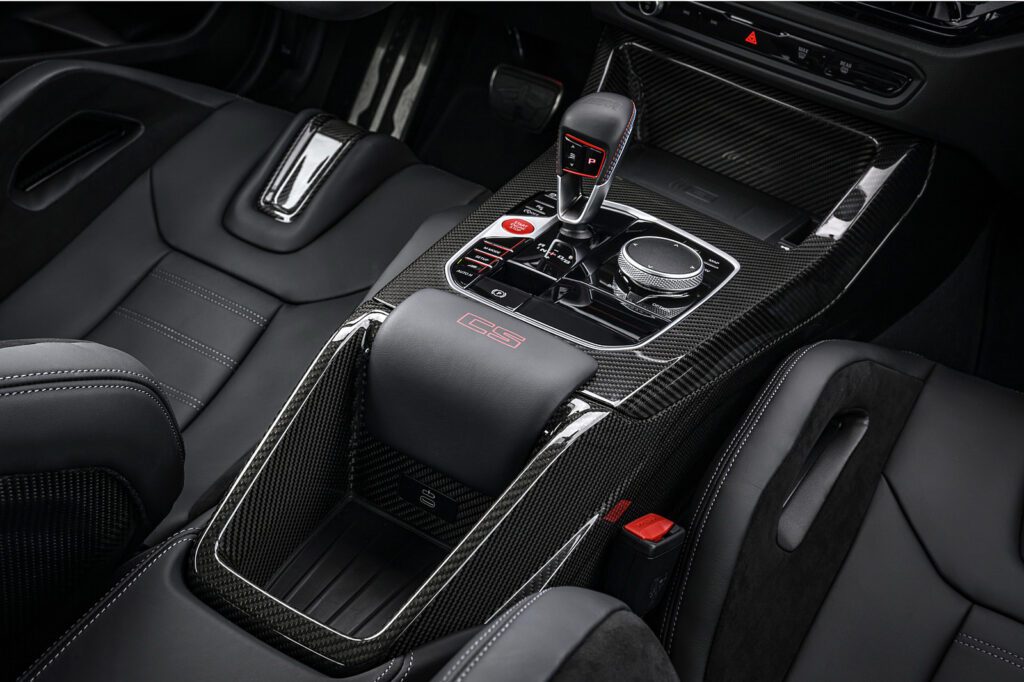
Up front, a curved dual-display setup pairs a 12.3-inch digital cluster with a 14.9-inch infotainment screen running BMW Operating System 8.5. Climate controls are now integrated into the touchscreen, though the steering wheel retains physical paddles and red-stitched M buttons for a familiar tactile edge. Standard equipment includes a Harman Kardon surround system, dual-zone climate control, keyless access, Apple CarPlay and Android Auto, a head-up display with track mode, and a full suite of driver-assistance features. Heated steering and the carbon-ceramic brake upgrade remain optional.
How it differs from the 2026 BMW M2 Racing we drove
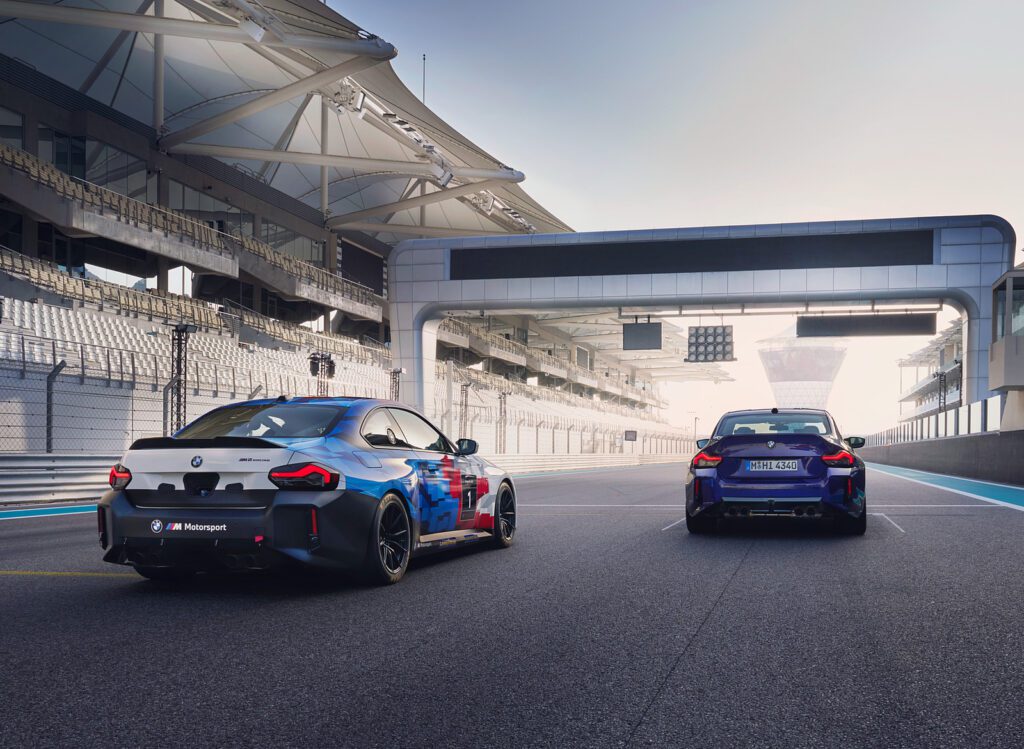
We recently drove the 2026 BMW M2 Racing, a customer track special fitted with a 2.0-liter turbo-four producing 313 hp and reinforced with a welded roll cage. Built to FIA standards, it’s race-ready but not road legal. The M2 CS flips that script—retaining airbags, amenities, and a snarling six-cylinder while packing nearly 70 percent more output than its competition cousin. In essence, the CS blends track-inspired character with everyday usability, whereas the M2 Racing is a single-minded machine.
Pricing, availability, and the fine print
In Germany, the M2 CS will start at €115,000—about $125,000 at current exchange rates, before destination charges and gas-guzzler taxes. U.S. allocation details aren’t confirmed yet, though BMW notes its largest markets will be America, Germany, and China. Production is slated to begin in San Luis Potosí, Mexico, in late summer 2025. As with the 2019 M2 CS, overall build numbers are expected to remain limited.
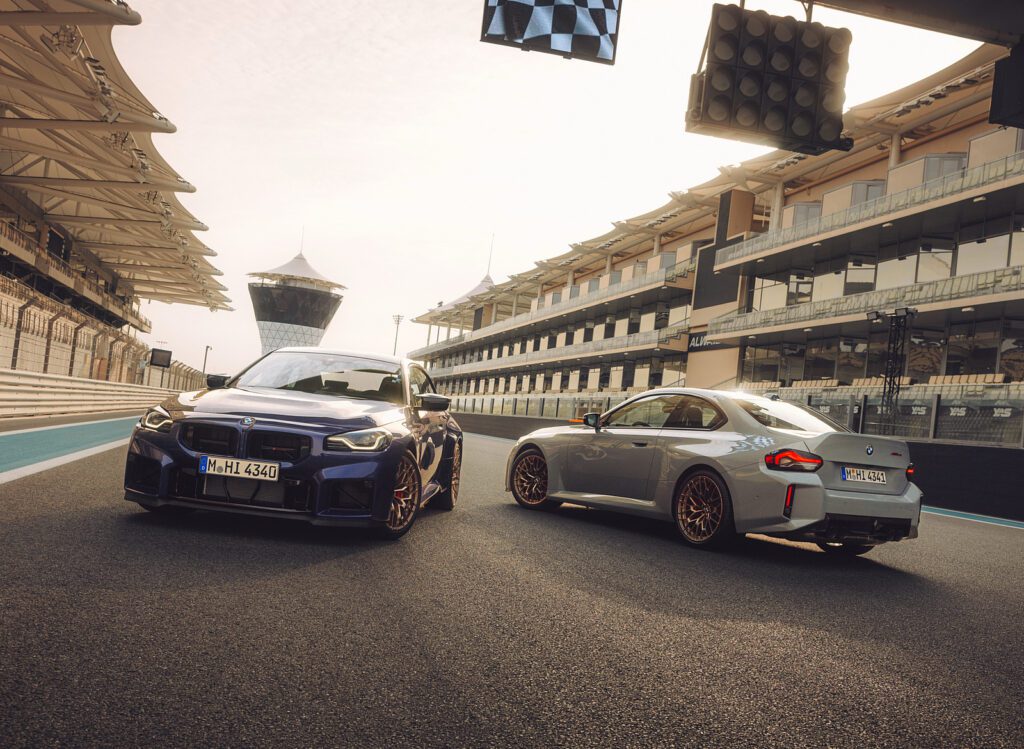
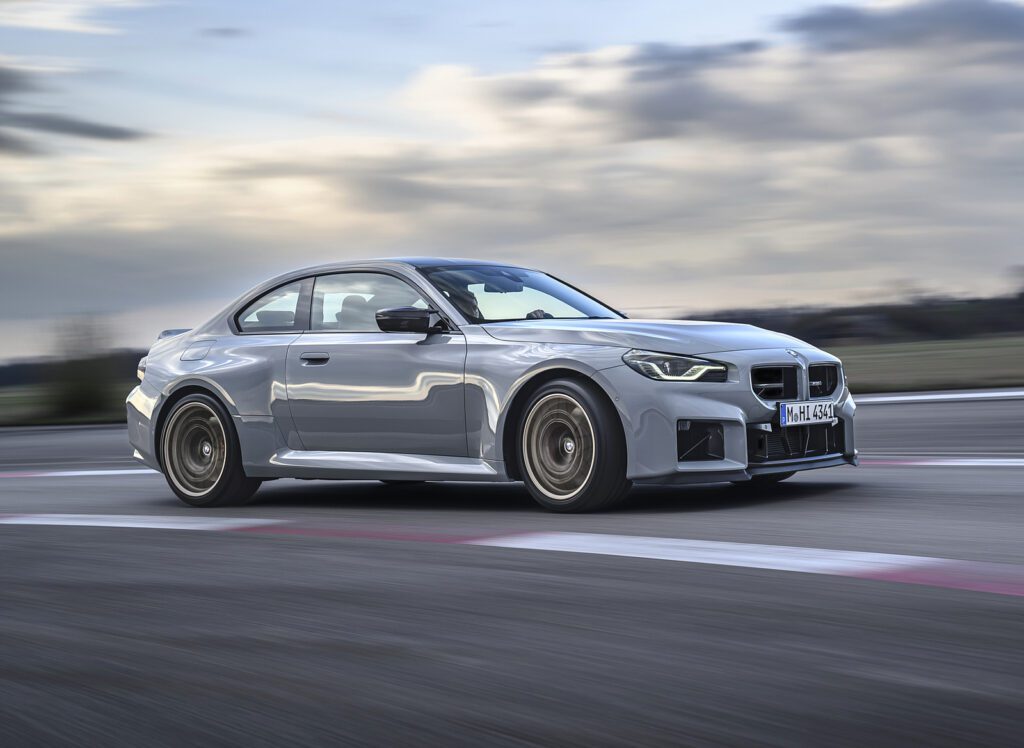
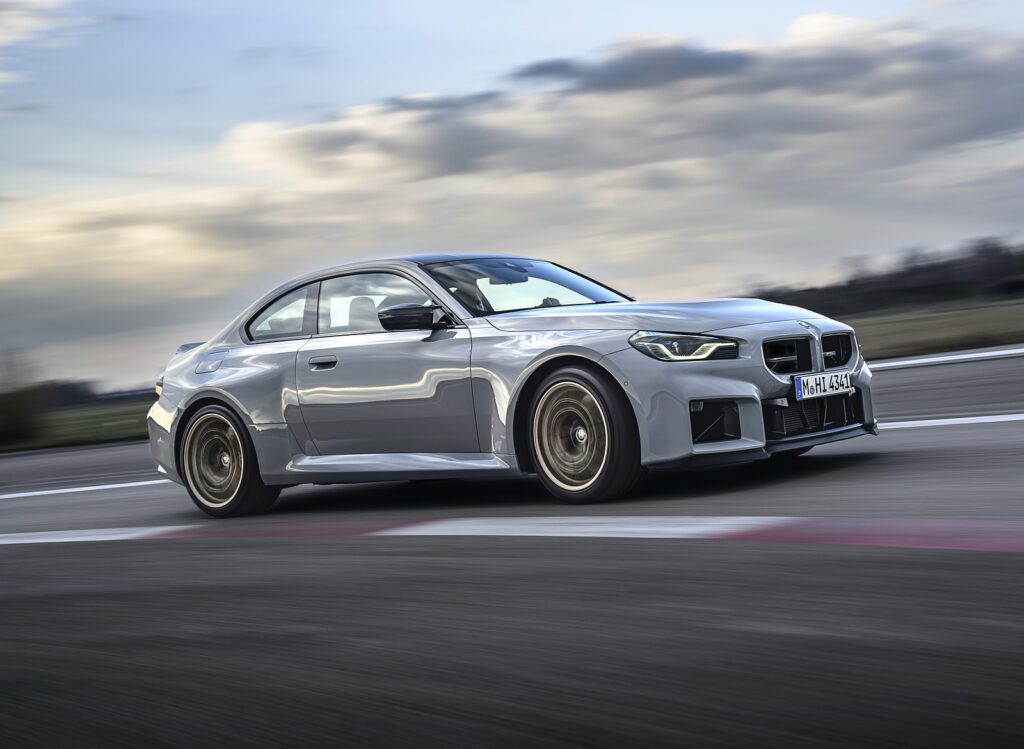
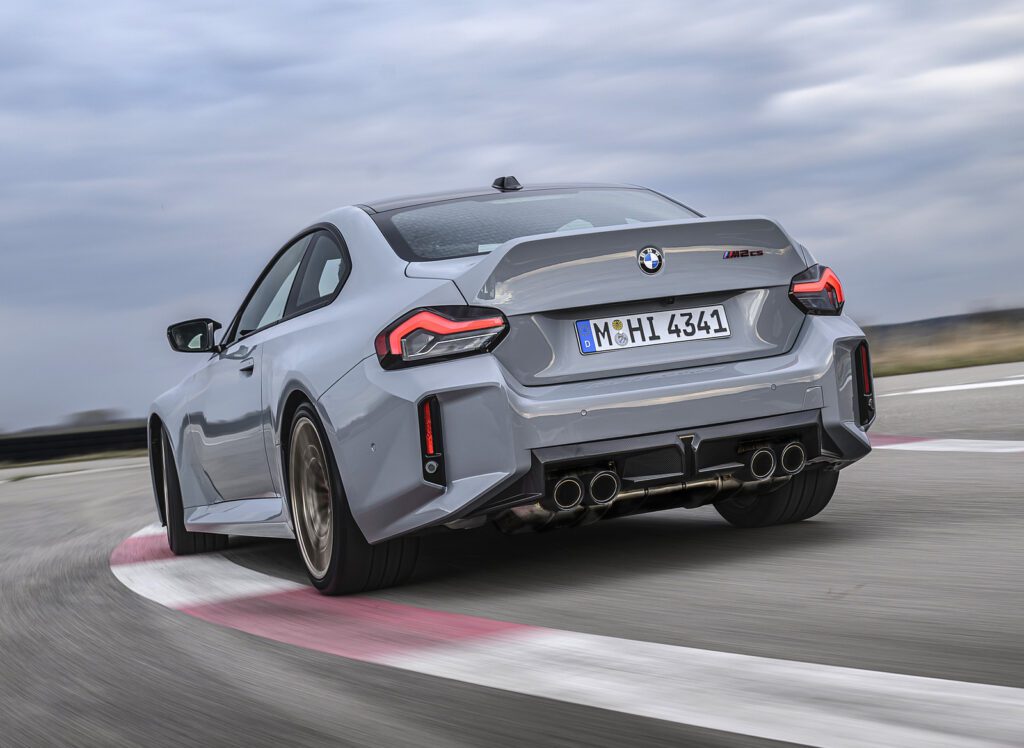
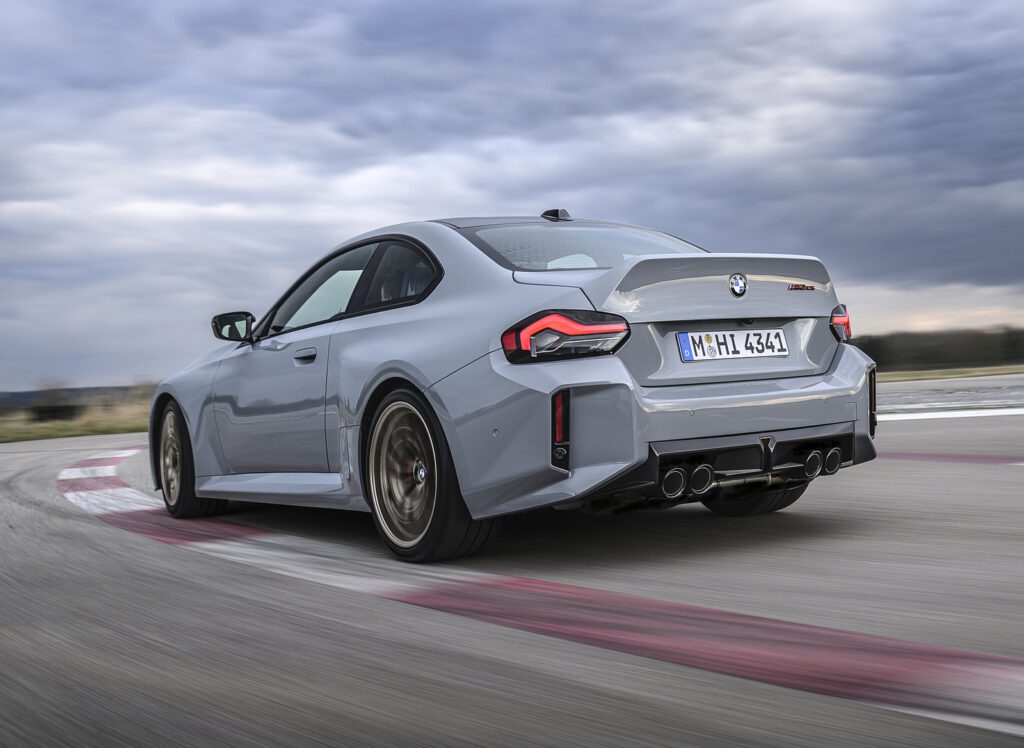
That price puts the CS uncomfortably close to the M4 Competition xDrive and within striking distance of a Porsche 911 Carrera. Purists may grumble over the lack of a manual, but the core appeal is intact: a compact footprint, big power, and a sharper, lighter chassis—making for a road car that’s just as happy pounding out track-day laps.
Final takeoff on the compact M flagship
The 2026 BMW M2 CS takes the G87 platform to its sharpest edge yet, showing there’s still headroom for BMW’s smallest M car to evolve. Its mix of carbon fiber, 530 hp, and a premium price tag will inevitably spark debate—some buyers will prize the exclusivity, while others may be tempted by bigger M models at similar money. What’s undeniable is that BMW has armed this most extreme M2 with the tools to keep track-day enthusiasts entertained for lap after lap.